As we approach the 2026 holiday season, it’s essential to stay informed about the latest trends in Christmas decorations. The global home décor market is projected to reach $1.14 trillion by 2025, emphasizing the growing importance of festive aesthetics. Christmas decorations play a crucial role in enhancing the spirit of this season, creating warmth and joy in homes.
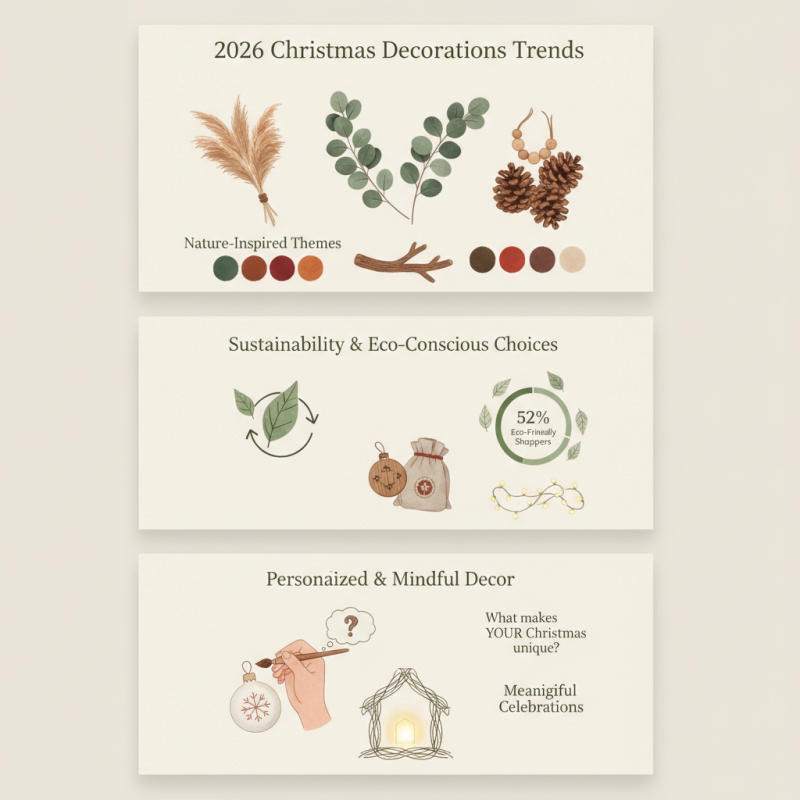
Experts predict that themes inspired by nature will dominate this year. Elements like dried flowers, natural wood, and earthy colors will bring a refreshing touch. Moreover, the rise of sustainability is influencing consumers’ choices. Approximately 52% of shoppers are now seeking environmentally friendly decorations. This trend reflects a deeper connection to our environment, urging a shift towards responsible decorating practices.
However, there’s a need for reflection as well. Not every decoration trend resonates with individual preferences. Many find themselves overwhelmed with choices, often purchasing items that don’t align with their personal style. It’s vital to focus on what truly makes your Christmas decorations unique and meaningful. Embracing creativity while being mindful of sustainability can enhance your festive décor, making your celebrations memorable without compromising values.
As we approach the 2026 holiday season, emerging color palettes are set to redefine Christmas decorations. Experts predict a shift toward
soothing greens and vibrant burgundies. According to a recent report from the
Color Marketing Group, these hues evoke a sense of comfort and nostalgia. They are linked to nature, which many seek during the festive period.
Incorporating these colors can enhance the cozy atmosphere people crave.
Moreover, the use of unexpected colors, like deep blues and metallic accents, is trending. A survey by the
American Society of Interior Designers revealed that 67% of decorators are leaning
towards a blend of these colors. This innovation is not just about aesthetics; it reflects a desire for uniqueness and personalization in decoration. The combination can create
striking contrasts, encouraging deeper reflection on what Christmas means in today’s world.
While traditional red and gold remain popular, the move to modern palettes invites challenges. Not every combination works seamlessly.
Experimenting with bold colors can lead to mismatches. Finding the right balance requires an intuitive approach. Engaging with these
new trends can encourage creativity while prompting deeper questions about individual style and seasonal tradition.
As Christmas approaches, innovative materials and textures are taking center stage in holiday decorations. This year, expect to see a mix of sustainable options like bamboo and recycled fabrics. These materials not only reduce waste but also add a unique touch to your decor. Textures such as velvets, rustic woods, and metallic finishes will create a striking contrast. Think about using woven baskets or wooden ornaments for an earthy feel.
Tips: Experiment with layering different textures. For example, pairing shiny metallics with rustic woods can add depth. Consider incorporating handmade pieces to support local artists. They often carry stories and emotions that mass-produced items lack.
Also, don't shy away from imperfections. Embrace items that show signs of wear or are slightly irregular. These pieces can create a sense of nostalgia that resonates deeply during the festive season. It’s okay if everything doesn’t match perfectly. These quirks can be what makes your display truly personal and memorable.
As Christmas approaches in 2026, sustainability takes center stage in holiday decorating. A study from the International Institute for Sustainability found that over 70% of consumers prioritize eco-friendly options. These choices reflect a shift towards a greener mindset. Many families are swapping plastic ornaments for handmade, natural decorations. Dried fruits, pine cones, and even recycled materials are great alternatives. This transition not only reduces waste but also adds a unique, personal touch to holiday décor.
Companies are also responding. According to a report by the Global Sustainability Forum, 65% of organizations in the home goods sector now focus on end-of-life sustainability. This includes using ethically sourced materials and offering recycling programs. Eco-friendly lights, such as LED options, are becoming the norm, as they consume 75% less energy than traditional bulbs. However, challenges remain. Not every product marketed as sustainable lives up to its claims. Consumers must research and verify eco-labels to make informed choices.
The concept of repurposing old decorations is gaining traction. It encourages creativity and sustainability. Creating holiday art from discarded items can reflect personal stories. Yet, this trend requires a commitment to reducing consumption. Individuals often feel the pressure to buy new items each year. Finding joy in simplicity may be difficult, but it’s essential for a sustainable future. Balancing tradition with eco-consciousness will define the essence of Christmas 2026.
| Trend | Description | Materials | Colors | Sustainability Aspect |
|---|---|---|---|---|
| Natural Elements | Incorporating pinecones, branches, and seasonal foliage into decorations. | Wood, natural fabrics | Earthy tones, green, beige | Biodegradable materials |
| Upcycled Decorations | Using old or discarded items to create new decoration pieces. | Recycled paper, glass, fabric | Vibrant colors, pastels | Reduces waste, creative reuse |
| LED Lighting | Energy-efficient lighting solutions to create festive atmospheres. | Plastic, metal | Warm white, multi-color | Energy saving |
| Biodegradable Ornaments | Ornaments made from sustainable materials that decompose. | Bioplastics, natural fibers | Natural hues, white | No harmful residues |
| Minimalist Styles | A clean and simple approach to decor that emphasizes space and light. | Natural wood, metal | Neutral tones, gold accents | Less waste, simple designs |
As we approach the festive season of 2026, creative DIY holiday decorations are becoming increasingly popular. A recent report from the National Retail Federation revealed that 33% of holiday shoppers prioritize home décor over gifts. This trend opens up several opportunities for unique, handmade decorations that embody personal style and creativity.
Consider using natural elements like pinecones and branches. These materials are budget-friendly and easily accessible. Crafting wreaths or centerpieces from these items can add a rustic charm to your home. Another idea is to repurpose old ornaments by painting them or wrapping them in twine. Engaging in DIY projects not only allows for personal expression but also brings families together during the holiday season.
However, it's essential to be mindful of the potential pitfalls of DIY decorating. Many may underestimate the time and skill required for intricate projects. A survey indicated that 40% of DIY enthusiasts felt overwhelmed by the process. Taking on simpler projects can enhance enjoyment and ensure a fulfilling experience. Embrace the charm of imperfection in your decorations, as these unique touches often create the most memorable holiday displays. The key is to find a balance between creativity and practicality.
As we approach the 2026 holiday season, tech-enhanced Christmas decorations are set to redefine our festive experiences. Smart lights, for example, have seen a surge in popularity. According to a recent industry report, sales of smart lighting solutions grew by 25% in 2023. This trend reflects a desire for convenience and customization. Users can now control their holiday lights via smartphones, syncing them to music or even their mood.
Another innovative development includes augmented reality (AR) decorations. Families can project holiday-themed images onto their walls or yards. This not only enhances visual appeal but also allows for truly personalized designs. A study by the Home Automation Association indicated that 40% of consumers expressed interest in integrating AR into their home settings. However, reliance on technology can create a separation from traditional festivities.
Moreover, sustainability is becoming crucial in decoration choices. Tech-enhanced decorations often use energy-efficient materials. Despite this, there are concerns over the disposal of electronic decorations. Experts suggest a balance between high-tech and classic decorations. Finding this equilibrium may enhance our holiday spirit without compromising environmental values.
This chart represents the trending categories of Christmas decorations for 2026. The data shows the popularity of tech-enhanced decorations, traditional decorations, eco-friendly options, and minimalist themes.
: Expect sustainable materials like bamboo and recycled fabrics. These reduce waste and add uniqueness.
Experiment by layering textures, like pairing shiny metallics with rustic woods. This adds depth to your display.
Yes, handmade items have stories and emotions. They often reflect local artistry and make décor more personal.
Absolutely! Items that show wear can evoke nostalgia. It’s okay if everything doesn’t match perfectly.
Sustainability reduces waste and reflects a greener mindset. Many families are now opting for natural, handmade decorations.
Verify eco-labels and research products. Not all marketed as sustainable meet those claims, so be cautious.
Smart lights and augmented reality are popular. They offer convenience and personalization, enhancing the festive experience.
Yes, reliance on technology can disconnect us from traditional celebrations. Balance is key for holiday spirit.
Create new art from discarded items. This encourages creativity but requires commitment to reducing consumption.
Finding joy in simplicity can be difficult. Many feel pressured to purchase new items each season.
As we look ahead to 2026, Christmas decorations are set to embrace a variety of exciting trends that reflect both innovation and sustainability. Emerging color palettes will showcase vibrant and refreshing hues, moving away from traditional reds and greens to more adventurous combinations. Alongside this, innovative materials and textures will take center stage, offering unique tactile experiences that enhance the visual appeal of holiday decor.
Sustainability is becoming increasingly important in Christmas decorations, with eco-friendly trends leading the charge towards greener celebrations. Creative DIY ideas will encourage individuals to craft personalized ornaments and decorations, making each holiday setup unique. Lastly, tech-enhanced decorations are poised to revolutionize the Christmas experience, incorporating smart technology to create interactive and modern displays. Collectively, these trends not only elevate the festive spirit but also align with contemporary values in decoration.

Shintae