What is an Artificial Rose Plant and Why Choose It?

Time:2026-08-22 Author:Charlotte
0%

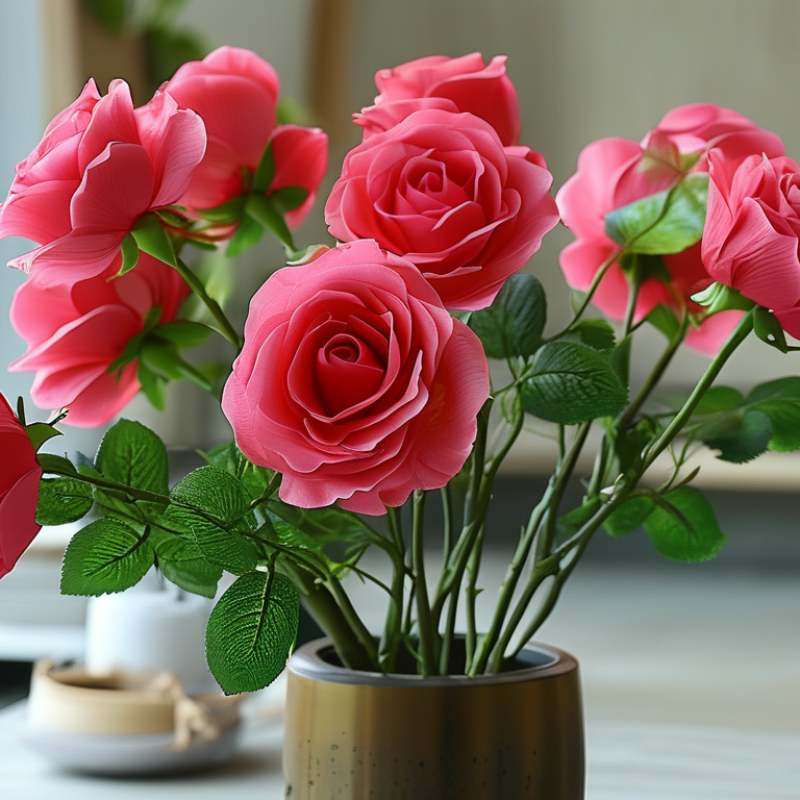
In the world of home decor, the Artificial Rose Plant stands out as a unique alternative. These stunning imitations capture the beauty of real roses without the associated maintenance. They offer color and elegance to any space, making them popular among decorators and homeowners alike. With realistic petals and vibrant hues, an Artificial Rose Plant can brighten a dull corner effortlessly.

Choosing an Artificial Rose Plant means saying goodbye to the constant watering and wilting. You can place them in areas with little natural light. This flexibility allows for creative arrangements in various environments. However, some may miss the fresh scent of real roses. The trade-off between upkeep and fragrance is worth reflecting on.

Moreover, an Artificial Rose Plant can last for years. This longevity offers excellent value for your investment. In a fast-paced world, this choice aligns well with busy lifestyles. Yet, some might question the authenticity of using artificial flowers in personal spaces. These decorative pieces challenge traditional notions but enhance practical aesthetics.
What is an Artificial Rose Plant and Why Choose It?

What Defines an Artificial Rose Plant in Today's Market?

In today's market, an artificial rose plant stands out for its stunning realism and versatility. Unlike traditional flowers, these artificial roses are crafted from high-quality materials that mimic the look and texture of real petals. Many consumers find joy in their vibrant colors and the ability to maintain eye-catching beauty year-round. These plants can be placed in various settings, from homes to offices, without the need for care or upkeep. Over time, they serve as a thoughtful choice for individuals seeking a lasting floral décor option.

Quality is a key consideration in defining an artificial rose plant. Consumers now seek products that reflect expert craftsmanship, showing attention to detail in every petal and leaf. Surprisingly, even with advances in technology, not every product meets these high standards. Some artificial roses may lack the finesse or durability expected by discerning buyers. It's essential to assess options carefully, focusing on both the visual appeal and the materials used. This ensures that the chosen plant not only fits the intended space but also reflects personal style effectively.

Popular Materials Used in Artificial Rose Plants

This chart illustrates the market share of different materials used in artificial rose plants. Plastic leads due to its durability and low cost, followed by silk and polyester, which are chosen for their aesthetic appeal.

Key Materials Used in Manufacturing Quality Artificial Roses

Artificial rose plants are gaining popularity due to their beauty and low maintenance. The key materials used in crafting these realistic blooms play a significant role in their appeal. Quality artificial roses often feature silk fabric for petals, which mimics the softness and texture of real flowers. This material allows for vibrant colors and a lifelike appearance. Another crucial component is plastic or polyethylene, used for the stems and leaves. This offers durability and flexibility, ensuring the flowers retain their shape over time.

Additionally, some artificial roses incorporate foam. This material provides a lightweight feel while maintaining structure. The blend of silk and foam creates roses that are not only attractive but also sturdy. Metal frames are sometimes used for added support, though they can make certain designs more rigid. It’s important to assess each material’s quality, as cheaper versions often lack realism and durability.

Choosing an artificial rose plant means selecting the right combination of materials. Consider how they impact the overall appearance. While silk roses might look vibrant, they can fade under direct sunlight. This aspect is worth reflecting on. Balancing aesthetic appeal with longevity is crucial for making a wise choice. Examine these elements closely before making your decision.

Benefits of Choosing Artificial Rose Plants Over Real Ones

Artificial rose plants have become increasingly popular in recent years. They offer several advantages over real roses, which may surprise some. According to a report by the National Gardening Association, around 30% of households in the U.S. have opted for artificial plants due to their low-maintenance nature.

One significant benefit is durability. Artificial roses can maintain their appearance year-round, regardless of environmental conditions. In contrast, real roses have a limited lifespan and require constant care. A study by the International Journal of Horticulture suggests that the average lifespan of outdoor roses is only 3-5 years, depending on the climate. For those who want beauty without the hassle, artificial roses are a smart alternative.

Additionally, artificial plants are allergy-friendly. Many people suffer from pollen allergies triggered by real flowers. A survey from the American Academy of Allergy, Asthma, and Immunology indicated that about 10% of adults in the U.S. report allergies related to flowering plants. Choosing artificial roses eliminates this issue entirely, allowing individuals to enjoy the aesthetic appeal without health concerns. In an increasingly busy world, these advantages make artificial rose plants a pragmatic choice for many.

Market Trends: The Rising Popularity of Artificial Floral Arrangements

The market for artificial floral arrangements has seen significant growth in recent years. According to a 2022 report by Market Research Future, the global floral market is projected to reach a value of $12.7 billion by 2028, with artificial flowers making up a notable segment. Many consumers are choosing artificial options for their lasting beauty and low maintenance. Real flowers often wilt and fade quickly. This is a considerable concern for busy individuals.

In urban settings, space is limited. Artificial floral arrangements offer a solution. They provide vibrant decoration without requiring water or sun. A report from the National Retail Federation indicated a 15% increase in sales of artificial flowers and plants in the last two years. This suggests a shift in consumer behavior, driven by convenience and cost-effectiveness. Ironically, while people seek authenticity in many aspects of life, they increasingly embrace the synthetic in floral decor. The use of high-quality materials has made artificial flowers look realistic. Yet, there’s concern about sustainability. Are these alternatives truly eco-friendly? This remains a topic for discussion among industry experts.

Environmental Impact: Sustainability of Artificial Plants vs. Natural Flora

Artificial rose plants offer a sustainable alternative to natural flora. Unlike real roses, they don't require water, sunlight, or fertilizers. This means no resources are depleted to maintain their lifelike beauty. However, it’s essential to consider the materials used in crafting these plants. Often made from plastics, their production can contribute to environmental pollution. While they last longer than real flowers, they eventually end up in landfills.

Choosing an artificial plant can reduce your ecological footprint, if done wisely. Opt for options made from recycled materials, which mitigate some environmental impacts. Regularly clean and dust these plants to maintain their appearance and longevity. This choice saves you effort in upkeep while preserving the charm of nature in your space.

Be mindful that artificial plants won't support local ecosystems like real ones. Consider pairing them with real plants in some areas, blending aesthetics with environmental responsibility. Striking a balance is vital. Embracing artificial plants doesn't mean abandoning nature. Instead, it can support a sustainable lifestyle when chosen thoughtfully.

FAQS

: What is an artificial rose plant?

: An artificial rose plant is a lifelike decoration made from high-quality materials that resembles real roses.

Why are artificial rose plants popular?

They offer low maintenance and retain beauty year-round, appealing to many consumers seeking convenience.

How long do real roses last compared to artificial roses?

Real roses last around 3-5 years, while artificial roses maintain their appearance indefinitely with no care needed.

Are artificial rose plants allergy-friendly?

Yes, they do not produce pollen, making them a suitable choice for people with flower allergies.

What should I consider about the materials used in artificial roses?

It's important to assess if they are made from high-quality or recycled materials to minimize environmental impact.

Do artificial rose plants contribute to environmental issues?

Yes, their production can lead to pollution; however, they do not require natural resources for upkeep.

Can I pair artificial plants with real ones?

Yes, combining both can enhance aesthetics and support local ecosystems effectively.

How do I maintain artificial roses?

Regular cleaning and dusting will help maintain the appearance and longevity of your artificial plants.

Are there any downsides to choosing artificial plants?

While convenient, they won't support the local ecosystem and can add to landfill waste over time.

What’s a thoughtful choice when selecting artificial plants?

Choose options made from recycled materials to reduce your ecological footprint and maintain a connection to nature.

Conclusion

An Artificial Rose Plant has gained significant popularity in today's market due to its realistic appearance and low maintenance requirements. Defined by durable materials such as silk and plastic, quality artificial roses replicate the beauty of natural flowers while offering the convenience of longevity. The rise of these floral arrangements reflects a growing trend among consumers who seek sustainable options that do not require water, sunlight, or frequent replacements.

Benefits of choosing an Artificial Rose Plant include allergen-free decoration and versatility in various settings, from homes to event venues. Additionally, the environmental impact of artificial plants is increasingly favorable, as they reduce the depletion of natural resources associated with cultivating real flora. As consumers become more eco-conscious, the appeal of artificial floral arrangements continues to expand, making the artificial rose a popular choice for those seeking elegance without the upkeep of live plants.


Charlotte

Charlotte

Charlotte is a seasoned marketing professional with a deep understanding of the company's portfolio and a passion for elevating its presence in the market. With a keen eye for detail and a commitment to excellence, she ensures that our professional blog is regularly updated with insightful articles......