In a world where comfort and companionship are essential, plush toys have emerged as a significant part of the global toy market. According to a recent report by the Toy Association, the plush toy segment alone is projected to reach $13 billion by 2025, demonstrating a steady growth driven by consumer demand for quality and comfort. "The rise of experiential gifting has made plush toys more relevant than ever," says Jane Holloway, a leading industry expert and head of research at Toy Market Insights. This statement emphasizes the importance of understanding consumer preferences when considering top plush toys for global buyers.
The diversity in design and functionality of plush toys caters to various demographics, from toddlers to adults. Buyers are seeking soft, huggable companions that evoke feelings of nostalgia and joy. However, not all plush toys meet safety standards, a crucial aspect that buyers must scrutinize. Selecting high-quality toys can sometimes feel overwhelming due to the abundance of choices in the market.
In this ever-evolving industry, it’s essential for buyers to reflect on their selections. The emotional value of plush toys varies widely, and the right choice can leave a lasting impression. While trends may shift, the enduring appeal of plush toys remains universal, urging buyers to make informed decisions.
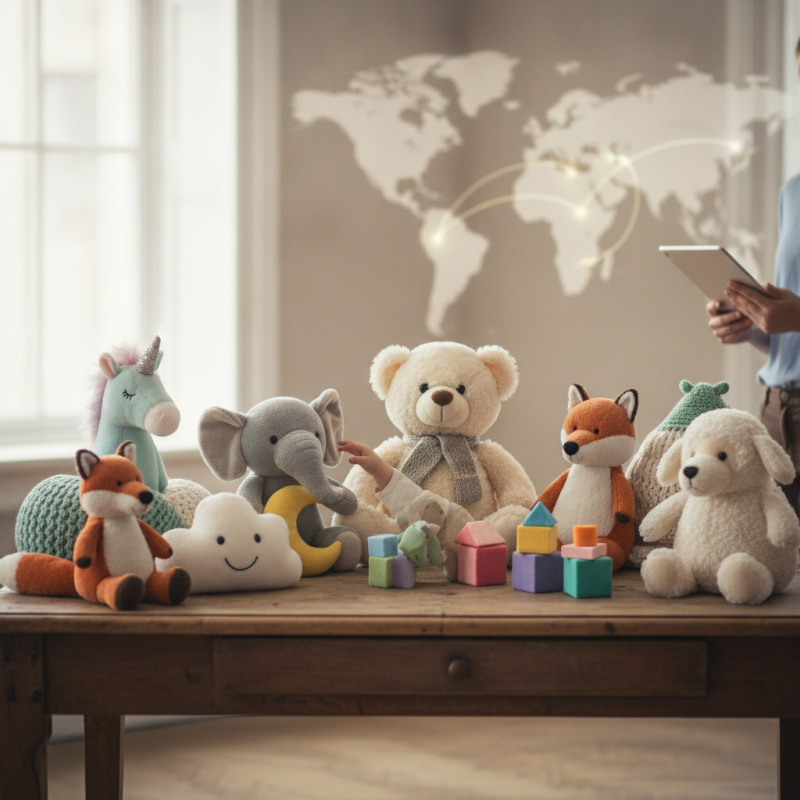
The plush toy industry is experiencing vibrant trends in 2023. A recent report from the Global Toy Market indicates a growth rate of 5.6% annually, reflecting a robust demand for soft toys. Buyers worldwide are increasingly drawn to eco-friendly materials. Sustainability is no longer a niche; it's becoming a standard expectation.
One trend gaining traction is the rise of personalized plush toys. Consumers are seeking unique items that reflect individual preferences. This trend is captured in data showing that 72% of parents are willing to pay more for customized options. Additionally, plush toys featuring popular culture icons continue to dominate sales. The latest figures suggest that 65% of all plush sales are linked to licensed characters, demonstrating their appeal across generations.
However, the industry faces challenges. Excessive production and waste remain pressing issues. Buyers must consider ethical sourcing practices. Furthermore, the rise of digital toys raises questions about the future of traditional plush products. Practicality is essential, yet the emotional connection to plush toys can't be overlooked. This complex landscape offers opportunities and considerations for global buyers in 2023.
When exploring must-have plush toy categories for diverse markets, certain features are essential. Kids love vibrant colors and cute designs. A variety of animal shapes, from cuddly bears to exotic creatures, appeals to different tastes. These toys often become treasured companions. For many children, comfort and security come from their plush friends.
In addition to aesthetics, sustainability is crucial. Eco-friendly materials are increasingly demanded. Parents prefer toys that are not only soft but also environmentally responsible. However, finding the right balance between affordability and quality remains a challenge. Some manufacturers cut costs, compromising safety and durability, which can lead to customer disappointment.
Market trends indicate a growing interest in interactive and educational plush toys. Toys that engage children enhance imaginative play. Yet, the effectiveness of these educational features is sometimes claimed without sufficient backing. Parents seek verified benefits, leading to scrutiny in marketing claims. Addressing these gaps can improve trust and enhance overall toy appeal.
Plush toys have gained immense popularity across the globe. Their appeal varies in different regions. Understanding the factors influencing this trend is crucial for buyers.
Cultural relevance plays a significant role. Local traditions and stories often inspire plush designs. For instance, animals endemic to a region frequently become favorites. Buyers should research these connections. It creates a deeper emotional bond with customers.
Trends in media shape preferences. Popular films and shows can drive toy demand. A character’s popularity can elevate a product's status. However, trends can be fleeting. It’s wise to consider the longevity of a toy’s appeal. Focus on timeless designs and avoid overly trendy items.
Tip: Collaborate with local artists to create unique plush designs.
Another factor is the growing emphasis on sustainability. Eco-friendly materials are increasingly preferred by consumers. Buyers should seek out products that meet these standards. Transparency in sourcing establishes trust.
Tip: Always check the safety standards for plush toys. Compliance reassures parents and guardians. Safety should never be compromised. Balancing trendiness with durability is essential for long-term success.
When selecting plush toys for retail, quality is paramount. Examine the stitching carefully. Loose threads could indicate poor craftsmanship. A well-stitched toy lasts longer and provides better value for your customers. The feel of the fabric is another important aspect. Soft, high-quality materials enhance the toy's appeal. Parents often prioritize comfort when choosing toys for their children.
Safety standards cannot be overlooked. Research the materials used, ensuring they are non-toxic. Look for certifications that guarantee compliance with safety regulations. Be wary of plush toys with small parts. These can pose choking hazards for younger children. Many consumers appreciate toys that are machine washable. This feature increases the toy's practicality and longevity.
Consider the size and design of the plush toys. Variety in size caters to different preferences. Larger toys can be more attractive for gifting occasions. Meanwhile, smaller options are ideal for travel. While trends can dictate popularity, timeless designs often have lasting appeal. Pay attention to details like eyes and accessories. They can significantly affect a toy's charm and marketability.
Ethical considerations in sourcing plush toys are becoming increasingly important. A recent report from the Ethical Trading Initiative shows that over 70% of consumers prefer sustainable products. This preference pushes manufacturers to prioritize ethical sourcing practices. These practices include ensuring fair wages and safe working conditions for all workers.
The demand for transparency is rising. Around 68% of buyers want to know where their products come from. They expect brands to disclose their supply chains. Many companies now collaborate with certification organizations. This partnership helps verify compliance with ethical standards. However, achieving true transparency remains a challenge. Some suppliers still operate under less-than-ideal conditions, which raises questions about the integrity of certifications.
It’s crucial for companies to address these gaps. Ignoring ethical sourcing can lead to significant reputational damage. Research indicates that 54% of consumers would stop buying from brands involved in unethical practices. Toy manufacturers must continuously evaluate their sourcing methods. Investing in ethical production not only builds trust but also adapts to changing consumer preferences. The plush toy industry stands at a crossroads. The choices made today will shape its future trajectory.
: Kids love vibrant colors, cute designs, and a variety of animal shapes. Cuddly bears are especially popular.
Eco-friendly materials are in demand. Parents want toys that are soft and environmentally responsible.
Finding the right balance between affordability and quality is tough. Some reduce costs, affecting safety and durability.
Interactive and educational toys engage children and boost imaginative play. However, claims need verification for trust.
Cultural relevance is key. Local traditions and stories often inspire plush designs, creating emotional connections.
Popular films and shows can drive demand. Yet, trends often change quickly. Timeless designs are crucial for lasting appeal.
Collaborating with local artists can create unique designs that resonate with regional consumers.
Safety standards provide reassurance for parents. Compliance must never be overlooked for long-term success.
Buyers should check for eco-friendly materials and strong safety standards to build trust with consumers.
Transparency in sourcing materials and verifying benefits of educational features can enhance product appeal.
In 2023, the plush toy market is experiencing significant trends that global buyers should consider. Key categories include character-based plush toys, eco-friendly designs, and interactive options that enhance play experiences. The popularity of plush toys is influenced by factors such as cultural relevance, seasonal trends, and the growing demand for sustainable products.
When selecting quality plush toys for retail, buyers should focus on safety standards, material durability, and design appeal. Additionally, ethical considerations in sourcing and production are paramount, ensuring that the toys are created in responsible ways that respect both workers and the environment. Emphasizing these aspects will help retailers meet consumer demand while fostering an ethical business model in the plush toy industry.

Shintae