The Teddy Bear Doll industry is projected to grow significantly by 2026. According to a report by MarketsandMarkets, the market is expected to reach $1.5 billion globally. This growth reflects changing consumer preferences and increased demand for quality plush toys. Experts emphasize the importance of quality in this sector.
Dr. Emily Carter, a respected authority in toy market trends, states, “Quality defines the future of Teddy Bear Dolls.” This underscores the need for manufacturers to focus on materials and safety. Parents are increasingly seeking products that are not only adorable but also durable.
As competition intensifies, brands must adapt. The challenge lies in balancing affordability with quality. Many buyers encounter brands that overpromise. Reflecting on these aspects is crucial. The future of Teddy Bear Dolls rests on maintaining standards while meeting diverse consumer needs. Becoming a leader requires ongoing reflection and innovation in design and quality.
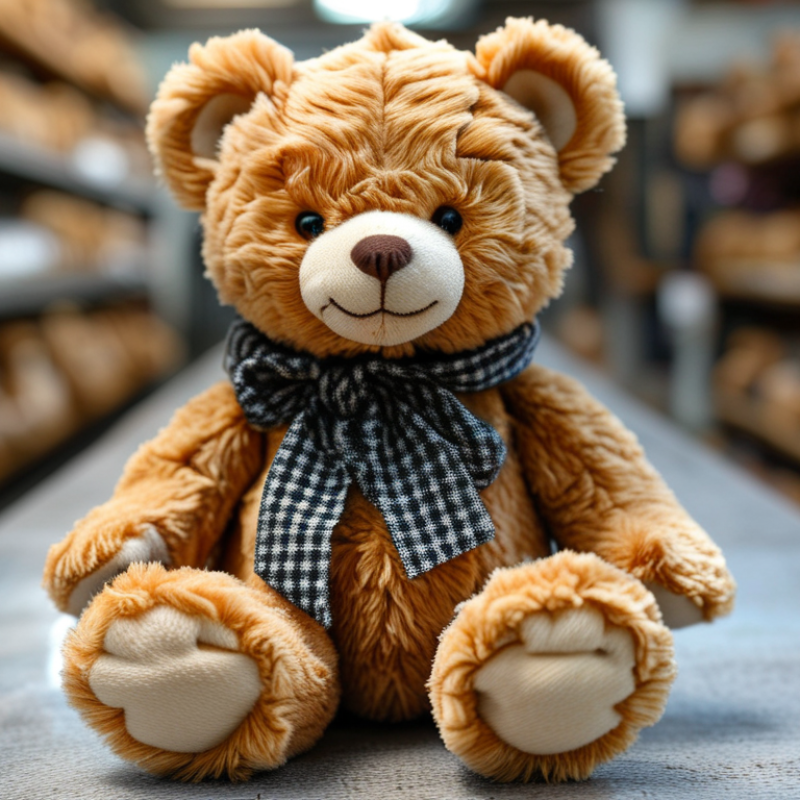
The global teddy bear doll market is set to witness notable changes in 2026. Research shows the market is valued at approximately $2 billion, reflecting a steady annual growth rate of 4.5%. This growth is fueled by rising consumer demand for high-quality, ethically produced toys. Buyers are more conscious about sustainability and safe materials. They now prefer products made with organic fabrics and environmentally friendly processes.
Regional trends indicate that North America is the largest market, accounting for over 30% of sales. However, Asia-Pacific can expect rapid growth due to increasing disposable income. Consumers in this zone are increasingly drawn to unique designs and customization options. The demand is shifting towards products that offer more than just aesthetic appeal. Buyers desire emotional connections with their purchases, seeking toys that tell a story.
Despite positive developments, challenges persist. Many manufacturers face hurdles in maintaining consistent quality. Sourcing sustainable materials remains complex. Moreover, economic fluctuations can affect consumer spending habits. A delicate balance must be achieved between quality and affordability. Understanding these market dynamics is crucial for stakeholders aiming to capture this evolving segment effectively.
| Country | Market Size (USD Millions) | Growth Rate (%) | Key Trends |
|---|---|---|---|
| United States | 1200 | 5.0 | Personalization Options |
| China | 900 | 7.5 | Eco-friendly Materials |
| Germany | 800 | 4.5 | Interactive Features |
| Japan | 750 | 6.0 | Licensing Partnerships |
| United Kingdom | 650 | 5.5 | Online Sales Growth |
When selecting high-quality teddy bear dolls in 2026, buyers should look for specific features. Material choice stands as a key factor. Soft, durable fabrics ensure that the bear withstands daily play while feeling pleasant to the touch. Look for hypoallergenic materials, especially for children with sensitive skin.
Every teddy bear’s stitching is crucial. Quality stitching prevents loose threads and keeps the bear intact. Check for securely attached eyes and accessories. This guarantees safety during play. Many buyers overlook these details, but they matter in the long run.
Tip: Always read reviews or testimonials. They offer insights into the durability and safety of teddy bears.
In 2026, customization options may appeal more to buyers. Personalized bears allow for names and unique designs, adding sentimental value. However, consider the production timeline and material quality in customizations. Some options may compromise quality for aesthetics. Balancing uniqueness and quality remains essential for a wise purchase choice.
Tip: Ask sellers about customization processes. Ensure they follow safety standards in their production.
As global interest in teddy bear dolls continues to rise, sourcing and manufacturing present new challenges and opportunities. A variety of suppliers from different countries now offer diverse designs. The choice of materials, like plush or organic cotton, plays a significant role in product appeal. Manufacturers focus on quality and safety standards, providing goods that withstand global scrutiny.
In 2026, trends indicate an increasing demand for customizable teddy bears. Many buyers seek unique features that reflect personal stories. This growing interest creates a need for suppliers who can adapt quickly. However, some manufacturers still struggle with maintaining consistent quality. Potential partners must thoroughly vet suppliers, ensuring they meet industry standards and customer expectations. Transparency in sourcing is critical for building trust.
It’s essential to prioritize ethical practices in manufacturing. Sustainable sourcing is becoming more important. Some suppliers are still lagging in this area. Businesses must address these gaps to attract ethically minded consumers. The teddy bear market presents a mix of challenges and potential. Fostering strong supplier relationships could ensure lasting success.
As global buyers search for top-quality teddy bear dolls in 2026, understanding consumer preferences becomes crucial. Shoppers often prioritize softness and durability in their choices. Many teddy bears feature premium materials that provide excellent comfort. The tactile experience is vital, especially for younger audiences.
Color and design also play significant roles. Traditional colors like brown remain popular, but vibrant hues attract attention. Unique designs, such as those inspired by nature or fantasy, stimulate buyers' imagination. Adaptability is key: bears that can transition from decorative pieces to cuddly companions are in demand.
Tips: Focus on sustainability. Eco-friendly materials resonate with eco-conscious consumers. Research various stuffing options that are safe and hypoallergenic. Offer customization, such as personalized names or outfits, to create special, memorable experiences for buyers. Always pay attention to feedback. Understand what customers want and improve your products accordingly.
As the teddy bear doll market grows, sustainability and safety emerge as vital concerns for manufacturers. The Global Toy Safety Standards, particularly ASTM F963 and EN71, provide essential guidelines for producing safe toys. These standards emphasize non-toxic materials, mechanical safety, and flammability, ensuring that products are safe for children. Reports indicate that nearly 70% of consumers prioritize safety certification when making purchasing decisions.
Sustainable production practices are becoming increasingly important. Many manufacturers are exploring eco-friendly materials like organic cotton and recycled polyester. The market research firm Statista predicts that the demand for sustainable toys will rise by 15% annually through 2026. However, transitioning to sustainable options can lead to challenges. Not all suppliers meet these standards, and some materials may still fall short in performance or safety.
The balance between safety and sustainability is delicate. Many teddy bear producers face dilemmas when choosing cost-effective materials that comply with safety standards. While some may rush to market with cheaper options, the long-term implications could jeopardize their reputation. Investing in higher-quality, certified materials could ultimately enhance brand credibility and customer loyalty.
: Consumers often prioritize softness and durability in their teddy bear choices.
The tactile experience is vital, especially for younger audiences who seek comfort.
Color and design are significant; traditional browns are popular, but vibrant hues attract attention.
Yes, unique designs inspired by nature or fantasy stimulate buyers' imagination and interest.
Sustainability resonates with eco-conscious consumers, and many prefer products made from eco-friendly materials.
Manufacturers should follow safety standards like ASTM F963 and EN71, focusing on non-toxic materials and mechanical safety.
Nearly 70% of consumers prioritize safety certifications when deciding which teddy bears to buy.
Some materials may fall short in performance or safety, making it tough to balance cost and quality.
Paying attention to feedback helps manufacturers understand customer desires and improve their products accordingly.
Yes, not all suppliers meet sustainability standards, and finding reliable sources can be challenging.
The article titled "Top Quality Teddy Bear Dolls for Global Buyers in 2026" provides a comprehensive overview of the evolving market trends in the teddy bear doll sector. It highlights the key features that buyers should consider when searching for high-quality teddy bear dolls, such as material safety, craftsmanship, and design appeal. As consumer preferences shift towards sustainable and ethically produced toys, the article emphasizes the importance of sourcing from reliable global suppliers who adhere to strict safety and sustainability standards.
Furthermore, the piece delves into what global buyers prioritize when selecting teddy bear dolls, noting that factors like soft textures and unique styles increasingly influence purchasing decisions. The push for environmentally friendly production methods is a crucial trend that shapes the future of the teddy bear doll industry, ensuring that quality and safety are maintained without compromising on sustainability.

Shintae