What Are Artificial Decorative Flowers? The term describes manufactured blooms designed to imitate fresh flowers, foliage, and botanical textures. These products may use polyester, silk, plastic, paper, foam, or blended materials. They appear in homes, hotels, retail displays, weddings, and office interiors.
The market is expanding, although figures vary by research method. Grand View Research estimated the global artificial flowers market at approximately USD 1.6 billion in 2022. Its report also projected steady growth through 2030. IMARC Group reported continued demand for realistic, low-maintenance floral décor. Consumers increasingly want color stability, seasonal flexibility, and fewer replacement costs. Yet not every product deserves the word “realistic.”
Interior designer and floral stylist David Hicks once observed, “Good design is about making other designers feel like idiots because that idea wasn’t theirs.” The line applies surprisingly well to Decoration Flowers Artificial. Strong arrangements depend on proportion, material quality, and believable placement. A velvet rose beside dusty plastic leaves quickly breaks the illusion.
This guide explains what artificial decorative flowers are, how they are made, and where they work best. It also considers their limitations. They do not release fragrance. They cannot replace the changing character of fresh stems. Some low-quality materials may fade, shed, or look overly glossy under bright lighting.
A useful choice requires careful inspection. Check the leaf veins, wire flexibility, color transitions, and stem finish. Touch matters. So does distance. A convincing arrangement should look natural from across a room and reasonably detailed up close.
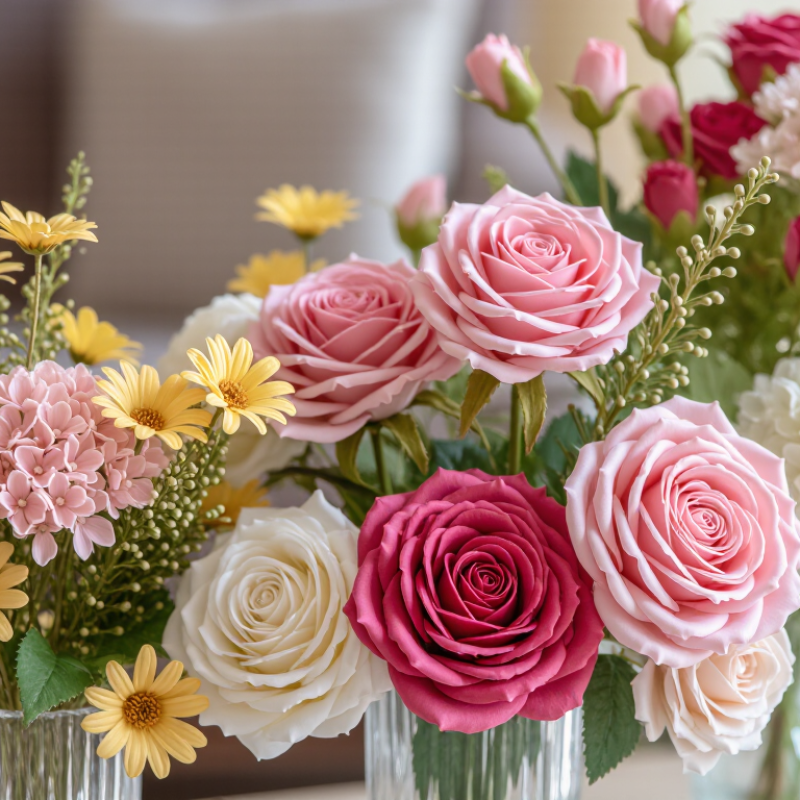
Artificial decorative flowers are manufactured floral forms designed to imitate real blooms for interior styling, events, displays, and long-term decoration. They usually combine synthetic petals, molded stems, fabric leaves, and weighted bases. Unlike fresh flowers, they require no watering, sunlight, or seasonal replacement.
Their core features are visual realism, structural stability, low maintenance, and consistent availability. High-quality petals show uneven edges, subtle color gradients, and natural-looking veins. A realistic stem should bend slightly, rather than standing rigidly. In a room, touch matters too. Soft fabric petals feel more convincing than glossy plastic. Dust resistance and UV stability also influence performance near windows or entrances.
Industry estimates suggest steady demand. The Business Research Company’s Artificial Flowers Global Market Report 2024 valued the market at about 1.7 billion US dollars in 2023, with continued growth expected. IMARC’s 2024 analysis also projected expansion through 2032, although its figures differ because market definitions vary. This difference deserves attention. Reports may include craft materials, commercial displays, or only finished flowers.
From practical use, artificial arrangements work well in reception areas, restaurants, and small apartments where maintenance time is limited. They keep their shape during transport and can be rearranged repeatedly. Still, artificial does not mean flawless. A perfectly uniform bouquet may look sterile. Slight variation in height, color, and petal direction creates a more natural impression. Regular dusting remains necessary, especially on textured leaves.
Typical indoor service life of common decorative flower types
Artificial decorative flowers are manufactured floral displays made from materials such as polyester, silk-like fabric, plastic, foam, or paper. Unlike fresh flowers, they require no water and can maintain their visual form for years when kept indoors and protected from strong sunlight, dust, and moisture. The chart uses typical service-life ranges expressed as midpoint estimates; actual durability depends on material quality, light exposure, cleaning, and handling.
Artificial decorative flowers are crafted blooms designed to imitate natural flowers without watering, sunlight, or seasonal replacement. Their appearance depends heavily on the material and manufacturing method.
Silk-style flowers usually use polyester or nylon fabric, although natural silk may appear in premium handmade pieces. The fabric is cut into petal shapes, printed or dyed, then heated and molded for realistic curves. Fine wires support the stems, while layered petals create natural depth.
Plastic flowers begin with molded polymer parts. Manufacturers shape petals, leaves, and stems using heat and pressure. Color may be mixed into the material or added later through painting. This process creates consistent details and strong surfaces, but overly uniform veins can look artificial.
I have noticed that slight color variation often makes a display feel more believable. It is a small detail, yet it matters.
Foam flowers use soft sheets, often formed from flexible polymer foam. Makers cut, stretch, and heat the material to create rounded petals. Foam feels lighter than plastic and can hold gentle folds well.
Fabric flowers may use cotton, linen, polyester, or blended textiles. They are often assembled by sewing, folding, or applying controlled heat.
Each method has limits. Foam can lose shape near high heat, while fabric may collect dust along its fibers. Even careful manufacturing cannot copy every irregular edge found in a living flower. That imperfection deserves attention, not concealment.
What Are Artificial Decorative Flowers?
Types Classified by Material, Shape, and Intended Use
Artificial decorative flowers are crafted imitations designed to bring color and structure indoors without regular watering. They usually contain synthetic petals, fabric, wire stems, foam centers, or molded plastic leaves. Their quality depends on more than appearance. Petal edges, color variation, stem flexibility, and surface texture affect how natural they look.
Material creates the first useful distinction. Polyester and silk-like fabrics produce soft petals with subtle folds. Plastic offers stronger moisture resistance for bathrooms, balconies, and commercial displays. Foam creates lightweight peonies and large blossoms, but its surface may appear too uniform. According to IMARC Group’s Artificial Flowers Market report, the global market reached about USD 2.7 billion in 2023. However, market definitions vary, so this figure should guide planning rather than prove demand in every region.
Shape also influences placement. Roses and peonies suit rounded table arrangements. Orchids and lilies create vertical lines in narrow spaces. Eucalyptus-style foliage adds length and visual calm. Intended use changes the construction choice. Wedding displays often need flexible stems and dense blooms. Hospitality settings favor durable, dust-resistant materials. Home arrangements benefit from lighter pieces that are easy to move and clean.
Look closely.
A glossy petal can seem artificial under direct lighting. In my experience, mixing two textures often improves realism. Yet no arrangement stays perfect; dust collects between layered petals, and color may fade near windows. The overlooked maintenance cost deserves more attention.
Artificial decorative flowers are manufactured blooms designed to imitate the shape, color, and texture of natural plants. Common materials include polyester fabric, plastic, foam, and flexible wire stems. Higher-quality pieces often show varied petal edges, subtle color changes, and realistic leaf veins. These details matter in homes, hotels, offices, and event spaces.
Grand View Research projects a 5.5% compound annual growth rate for the artificial flowers market through 2030. This forecast suggests steady demand, not a sudden trend. Buyers may value long-term appearance, low maintenance, and freedom from watering or seasonal replacement. In practical use, a well-made arrangement can keep a reception desk bright for months with occasional dusting. That convenience influences purchasing decisions.
The number deserves careful interpretation. A CAGR is a projection, not a promise. It can shift with housing activity, material costs, shipping conditions, and consumer preferences. Artificial flowers also create concerns about plastic waste and short product lifespans. That weakness should not be ignored. Responsible buyers can examine material quality, repairability, packaging, and expected use before choosing an arrangement. A realistic comparison with fresh flowers should include replacement frequency, cleaning needs, and disposal options.
| Data Dimension | Market Evidence or Value | What It Indicates | Evidence Type |
|---|---|---|---|
| Product definition | Artificial decorative flowers are manufactured floral products designed to imitate the appearance of natural flowers and foliage. | They are primarily purchased for visual decoration rather than biological growth or cut-flower use. | Product category description |
| Projected market growth | 5.5% compound annual growth rate (CAGR) through 2030 | The category is expected to expand steadily during the forecast period. | Published market forecast |
| Typical materials | Common materials include polyester or other synthetic textiles, plastics, paper, foam, wire, and mixed-material components. | Material selection affects realism, flexibility, durability, weight, and end-of-life disposal. | Product construction evidence |
| Main product formats | Single stems, bouquets, floral arrangements, garlands, wreaths, hanging designs, and decorative plants. | The market serves both small-scale home decoration and larger display installations. | Product-format classification |
| Residential applications | Common uses include living rooms, bedrooms, dining areas, entryways, balconies, and home-office interiors. | Consumers can maintain a consistent decorative appearance without watering or regular replacement. | End-use application evidence |
| Commercial applications | Common settings include hospitality venues, offices, retail interiors, event decoration, restaurants, and public-facing spaces. | Long service life and limited maintenance can support use in high-traffic environments. | Institutional and commercial use evidence |
| Key functional benefits | No watering, no sunlight requirement, low routine maintenance, stable appearance, and reusability for repeated displays. | These attributes differentiate artificial flowers from fresh-cut floral products. | Consumer-use characteristics |
| Purchase motivations | Demand is supported by interest in convenient décor, long-lasting visual appeal, seasonal styling, event decoration, and interior design updates. | Purchasing decisions combine aesthetic preferences with practical maintenance considerations. | Demand-driver evidence |
| Product quality factors | Important quality indicators include realistic color variation, natural-looking petal and leaf shapes, flexible stems, secure construction, and resistance to fading. | Higher visual realism can increase perceived value and suitability for premium interior displays. | Product-performance criteria |
| Sustainability considerations | Reusable products may reduce replacement frequency, while mixed synthetic materials can make recycling and disposal more difficult. | Environmental performance depends on product lifespan, material composition, packaging, and disposal systems. | Lifecycle consideration |
| Forecast interpretation | 5.5% CAGR is a rate of growth, not a percentage share of the total market. | Actual market values can vary according to geographic coverage, product scope, pricing, currency, and research methodology. | Market-data interpretation note |
Artificial decorative flowers are crafted from materials such as fabric, paper, plastic, or coated wire. They bring color to homes, hotels, offices, weddings, and retail displays without watering or sunlight. In practice, they work best where fresh flowers wilt quickly, such as warm reception areas.
Quality depends on more than realistic color. Look for balanced stems, secure petals, clean edges, and natural-looking movement. A useful quality check is simple: bend one stem gently and inspect the joints. Weak construction often reveals itself there.
Tips: Dust flowers with a soft brush or cool air. Wipe washable surfaces with a slightly damp cloth. Avoid soaking wired stems. Keep arrangements away from direct sunlight, radiators, and open flames. Rotate displays occasionally to reduce uneven fading.
Maintenance also includes checking scent, texture, and surface changes. Some low-quality materials become brittle or sticky after long exposure to heat. For public spaces, confirm applicable safety labeling and flame-resistance requirements before installation.
Requirements vary by location and building use, so professional advice may be necessary. This small step is easy to overlook.
Durable flowers can reduce repeated purchases, especially when stored and reused for several seasons. However, mixed materials may be difficult to recycle. Recycled content should be verified rather than assumed. Choose repairable designs, reusable packaging, and neutral styles that will not feel outdated quickly. Artificial flowers are not automatically a greener option. Their environmental value depends on lifespan, material choices, transport, and disposal.
Common materials include fabric, plastic, paper, foam, and coated wire. Fabric creates soft folds, while plastic handles moisture better. Foam feels light but may look too uniform.
Rounded blooms suit tables and bowls. Orchids and lilies create height in narrow spaces. Long foliage adds calm lines to shelves or counters.
Inspect petal edges, color variation, stem flexibility, and surface texture. Gently bend one stem. Weak joints often reveal poor construction.
They suit homes, offices, hotels, weddings, and retail displays. They are useful in warm reception areas where fresh flowers wilt quickly.
Remove dust with a soft brush or cool air. Wipe washable surfaces using a slightly damp cloth. Avoid soaking wired stems.
Keep arrangements away from direct sunlight, radiators, and open flames. Rotate displays occasionally. Some materials still fade or become brittle over time.
Not always. Their value depends on lifespan, materials, transport, reuse, and disposal. Choose repairable designs and reusable packaging when possible. Mixed materials can be difficult to recycle.
Check applicable safety labels and flame-resistance requirements before installation. Rules vary by location and building use. Professional advice may be worthwhile.
Artificial decorative flowers are carefully crafted substitutes for fresh blooms, designed to provide lasting color, texture, and visual appeal without watering or seasonal replacement. Often called Decoration Flowers Artificial, they are made from materials such as silk, polyester fabric, plastic, and foam. Each material creates a different look and feel: fabric and silk offer softness and realistic movement, plastic provides durability and moisture resistance, while foam supports lightweight, detailed shapes. These flowers can be classified by material, form, size, color, arrangement style, and intended use, including home interiors, events, offices, retail displays, and outdoor sheltered spaces.
Market research projects that the artificial flower industry may achieve a 5.5% compound annual growth rate through 2030, supported by demand for convenient and long-lasting décor. Quality depends on natural-looking color, secure construction, shape retention, and safe, odor-free materials. Regular dusting, gentle cleaning, and protection from excessive sunlight can extend product life. Sustainable choices include durable designs, recyclable components, reduced packaging, and products intended for repeated use rather than frequent replacement.

Shintae