Why Choose Real Touch Faux Flowers for Wholesale?

Time:2026-10-01 Author:Aria
0%

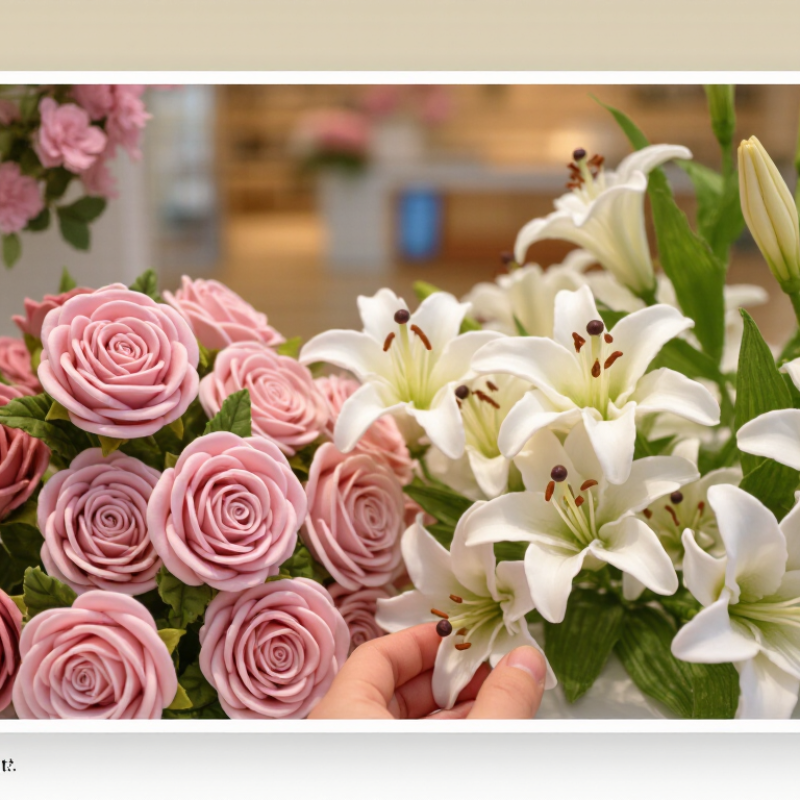
Wholesale buyers are asking for flowers that look natural, feel convincing, and survive repeated handling. Real Touch Faux Flowers answer that demand with flexible petals, textured leaves, and stems that mimic fresh-cut movement. A rose should not feel like hard plastic. Its petals should bend softly between the fingers.

Debra Prinzing, floral author and founder of Slow Flowers, has said, “Flowers connect us to place and season.” That idea also matters in artificial floral design. Real Touch Faux Flowers help retailers create seasonal displays without daily watering, cold storage, or rapid wilting. They can brighten hotel lobbies, wedding studios, garden centers, and home décor shelves for months.

Wholesale value depends on more than appearance. Buyers should inspect color consistency, stem strength, petal recovery, packaging, and fire-safety documentation where required. Request samples before placing large orders. Test them under warm retail lighting. Check whether dusty rose becomes too orange.

Small details matter.

A reliable supplier should explain minimum order quantities, replacement policies, carton protection, and expected lead times. Experienced buyers also compare arrangements after shipping, because a beautiful sample can arrive crushed. No product is perfect. Real Touch Faux Flowers may still show minor molding marks or repeated color patterns. That imperfection deserves honest evaluation, not polished marketing language.

This guide will examine why wholesalers choose these flowers, where they perform best, and which quality signals deserve attention. The goal is practical judgment: attractive products, dependable supply, and fewer expensive surprises.
Why Choose Real Touch Faux Flowers for Wholesale?

What Are Real Touch Faux Flowers?

Why Choose Real Touch Faux Flowers for Wholesale?

Real touch faux flowers are artificial stems designed to imitate the texture of fresh petals and leaves. Their surfaces often use soft polyurethane, latex, or similar flexible coatings. This treatment creates a gentle, slightly cool sensation when touched. The petals may bend naturally instead of cracking or feeling like thin plastic.

They are not living flowers. That distinction matters. Real touch materials cannot reproduce every detail of a fresh bloom. Some petals feel too smooth, while certain leaves may seem unusually soft. Still, carefully made stems can show convincing veins, layered petals, and subtle color changes. In a vase, these details become more noticeable under daylight.

For wholesale buyers, texture should be tested before placing a large order. Press a petal lightly. Check whether it returns to shape. Rub the surface gently and look for color transfer or peeling. A strong chemical smell deserves attention, especially for retail displays and hospitality spaces. Inspect the stems, wiring, joins, and packaging as well. Small flaws can become expensive when repeated across hundreds of units. Sample approval is not exciting, but it prevents avoidable disappointment.

How Are Real Touch Faux Flowers Made?

Why Choose Real Touch Faux Flowers for Wholesale?

How Are Real Touch Faux Flowers Made?

Real touch faux flowers begin with detailed botanical references. Designers study petal thickness, stem curves, leaf veins, and natural color changes. A sculpted mold then forms each petal from soft-touch materials, often polyurethane or silicone blends. The material choice affects flexibility, surface feel, and long-term shape retention.

Color is applied in several controlled layers. A pale base may receive darker shading near the center and along the veins. This creates depth instead of a flat painted appearance. Manufacturers usually cure the pieces under controlled heat, then attach petals around a shaped center. Flexible wire is inserted into the stem, allowing wholesalers to bend arrangements during display or shipping.

Small differences can remain.

That is not always a defect. Slight variations in petal angle or color can make bulk pieces look less mechanical. However, reliable production still requires inspection. Quality teams check loose petals, uneven coating, exposed wire, unpleasant odors, and weak stems. They also test repeated bending, because attractive samples may not represent an entire wholesale batch.

From practical purchasing experience, buyers should request current samples and production photos. Ask how colors are matched between batches. Store flowers away from intense sunlight and crushing pressure. Real touch materials feel convincing, but they are not indestructible. Careful handling still matters.

Why Do Wholesalers Choose Real Touch Faux Flowers?

Why Do Wholesalers Choose Real Touch Faux Flowers?

Wholesalers choose real touch faux flowers because buyers want realism without daily care. Their soft petals, flexible stems, and natural-looking finishes create a convincing display under retail lighting. This matters in wedding shops, hotels, home décor stores, and event supply warehouses. Customers can handle the arrangement before purchasing it. That physical experience builds confidence.

Allied Market Research estimated the artificial flowers market at USD 1.6 billion in 2021. It projected approximately USD 2.6 billion by 2031, with a 5.2% compound annual growth rate. Grand View Research also reported continued market growth, although estimates vary by product scope and region. That difference deserves attention. It reminds wholesalers to test local demand instead of trusting one forecast.

Real touch products also simplify inventory planning. They do not wilt during transport, require no water, and can remain display-ready for months. Consistent color and shape help retailers create repeatable merchandising sets. However, “maintenance-free” is not completely accurate. Dust still gathers on petals, and poor packaging can flatten delicate heads. Wholesalers should inspect samples, test carton protection, and compare color consistency between batches. Reliable suppliers should provide material details, care guidance, and stable lead-time information. Practical checks often reveal more than attractive catalog photos.

What Should Buyers Check Before Ordering Wholesale?

Why Choose Real Touch Faux Flowers for Wholesale?

What Should Buyers Check Before Ordering Wholesale?

Real touch faux flowers can offer a convincing texture, stable color, and lower maintenance for retail displays, events, and hospitality spaces. Their soft petals often look more natural than standard plastic flowers. However, appearance alone should not decide a wholesale purchase. Buyers should inspect samples under daylight and indoor lighting. Check petal softness, stem flexibility, leaf attachment, and color consistency. Small differences can become obvious across a large shipment.

Tips: Request a physical sample before confirming the order. Ask about material composition, product dimensions, minimum order quantity, lead time, packaging, and quality inspection procedures. Confirm whether the quoted price includes accessories, cartons, and shipping preparation. A short video can help, but it cannot replace a sample. I once trusted photos too quickly and missed uneven coloring near the flower centers. That mistake affected the display quality.

Reliable suppliers should provide clear specifications and realistic production timelines. Compare the approved sample with the final goods during inspection. Check crushed petals, loose stems, dust, odor, and damaged packaging. Ask how products should be stored, especially in hot or humid warehouses. If the flowers may be used near windows, confirm their resistance to fading rather than assuming it. Order quantities deserve careful thought too. Overstocked seasonal colors can sit for months. A smaller trial order may reveal customer preferences, although it may increase the unit cost. Wholesale buying is practical, but it still requires patient checking.

How Can Businesses Use Real Touch Faux Flowers?

Why Choose Real Touch Faux Flowers for Wholesale?

Businesses can use real touch faux flowers to create consistent visual experiences across multiple locations. Hotels may place soft-touch hydrangeas in lobby vases, while restaurants can decorate tables without daily watering or fallen petals. Retail stores can build seasonal displays that remain fresh during long campaigns. This matters because Grand View Research reports that the global artificial flowers market is expanding steadily, with demand supported by low-maintenance décor and commercial use.

Property professionals can also use these flowers in staged apartments, showrooms, and reception areas. The National Association of Realtors’ 2023 Profile of Home Staging reported that 20% of buyers’ agents saw a 1% to 5% increase in property value after staging. Faux arrangements cannot sell a property alone. Still, realistic color, natural-looking stems, and dust-resistant materials can make empty spaces feel more lived in. The details matter.

Tips: Choose wholesale styles by setting, not only by color. Use compact arrangements for café tables and taller stems for entryways. Request samples before ordering large quantities. Touch and inspect them under strong light. Some “real touch” petals still look artificial from a distance. That flaw deserves attention. Rotate arrangements every few months to prevent display fatigue and check stems for bending during storage.

FAQS

What are real touch faux flowers?

They are artificial stems made with soft, flexible coatings. Their petals may feel gently cool and bend naturally. They are not living flowers.

How realistic do these flowers feel?

Carefully made stems can show layered petals, visible veins, and gentle color changes. Some petals still feel unusually smooth. Realism varies.

Why are they useful for wholesale displays?

They keep a stable appearance and need little maintenance. They suit shops, events, and hospitality spaces. Dust still needs occasional removal.

What should buyers test on a sample?

Press a petal lightly and check whether it returns to shape. Rub the surface for peeling or color transfer. Examine leaves, stems, joins, and packaging.

Why is lighting important during inspection?

View samples in daylight and indoor lighting. Uneven coloring may hide under one light. Flower centers deserve careful attention.

What information should buyers request before ordering?

Ask about materials, dimensions, minimum quantities, lead times, packaging, and inspections. Confirm whether cartons and shipping preparation are included. Details matter.

Can photos replace a physical sample?

No. Photos can hide rough edges, odors, and uneven color. A short video helps, but a sample gives stronger evidence.

How should buyers manage quality and inventory risks?

Compare delivered goods with the approved sample. Check crushed petals, loose stems, dust, odors, and damaged cartons. A smaller trial order may reduce overstock risk.

Are real touch faux flowers resistant to fading?

Do not assume they are. Ask about fading resistance near windows and strong indoor light. Test the claim when possible.

What storage concerns should wholesale buyers consider?

Ask how the flowers should be stored in hot or humid warehouses. Poor storage may affect petals, color, and packaging. I would not skip this check.

Conclusion

Real Touch Faux Flowers are premium artificial blooms designed to closely imitate the appearance, texture, and natural movement of fresh flowers. They are typically made by shaping durable materials into realistic petals and leaves, then adding layered colors, fine surface details, flexible stems, and carefully formed centers. This manufacturing process creates flowers that look convincing from a distance and feel surprisingly natural when handled, while offering greater consistency and longevity than fresh arrangements.

Wholesalers choose Real Touch Faux Flowers because they provide reliable quality, lower maintenance, and year-round availability without watering, wilting, or frequent replacement. Before placing a wholesale order, buyers should check material quality, color accuracy, product dimensions, stem strength, packaging, minimum order quantities, and sample consistency. These flowers can serve many business purposes, including home décor, event styling, retail displays, hospitality spaces, photography settings, seasonal collections, and gift arrangements. With the right assortment, businesses can offer attractive floral products that remain practical, reusable, and visually appealing.


Aria

Aria

Aria is a dedicated marketing professional with a deep passion for innovative strategies and a keen understanding of our company's product offerings. With a wealth of experience in the industry, Aria excels at crafting engaging content that highlights the unique features and benefits of our......