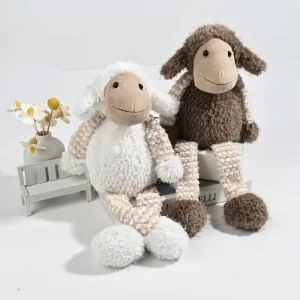
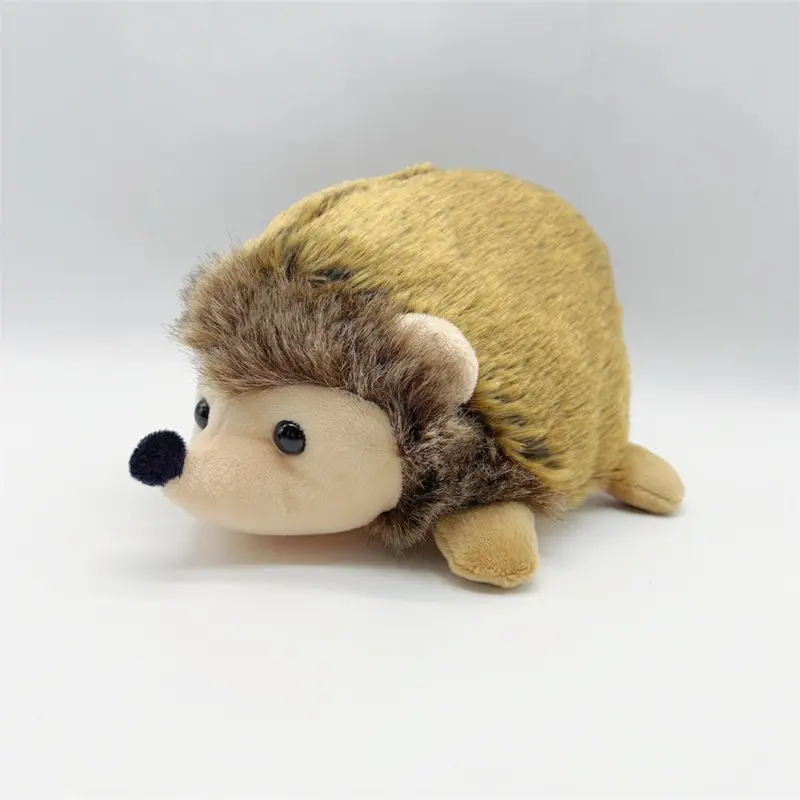
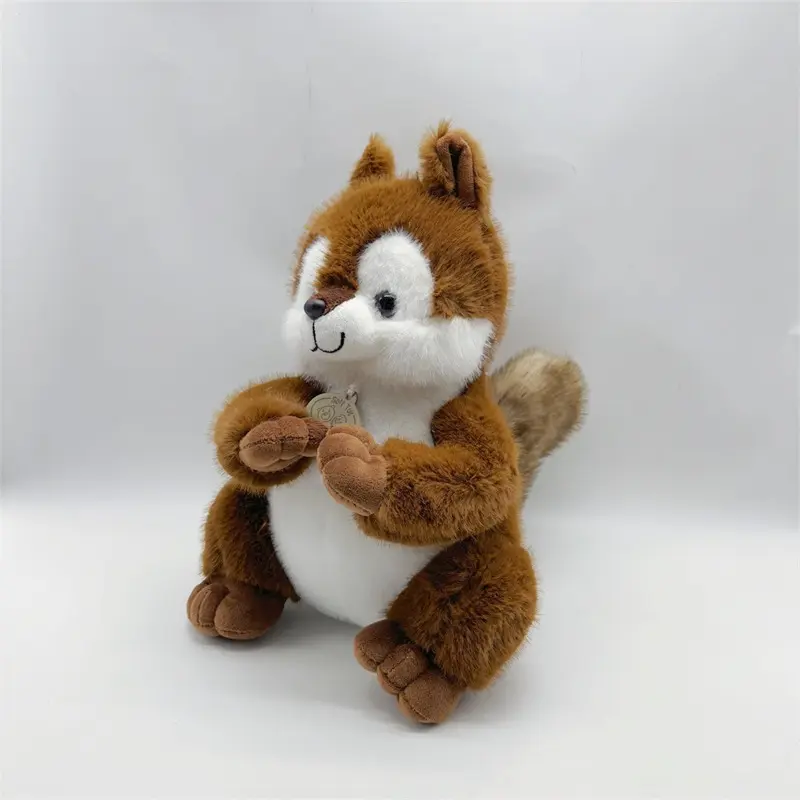
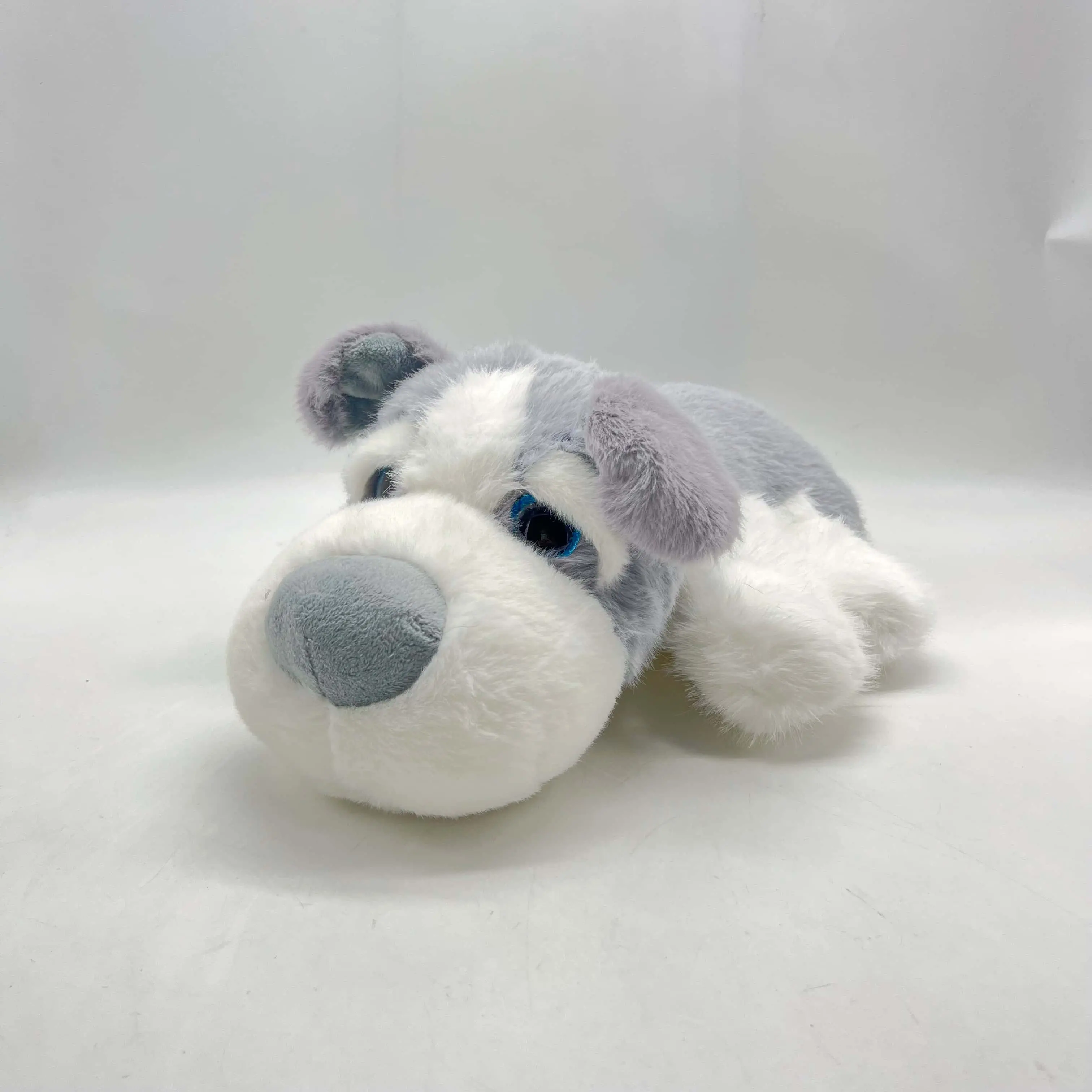
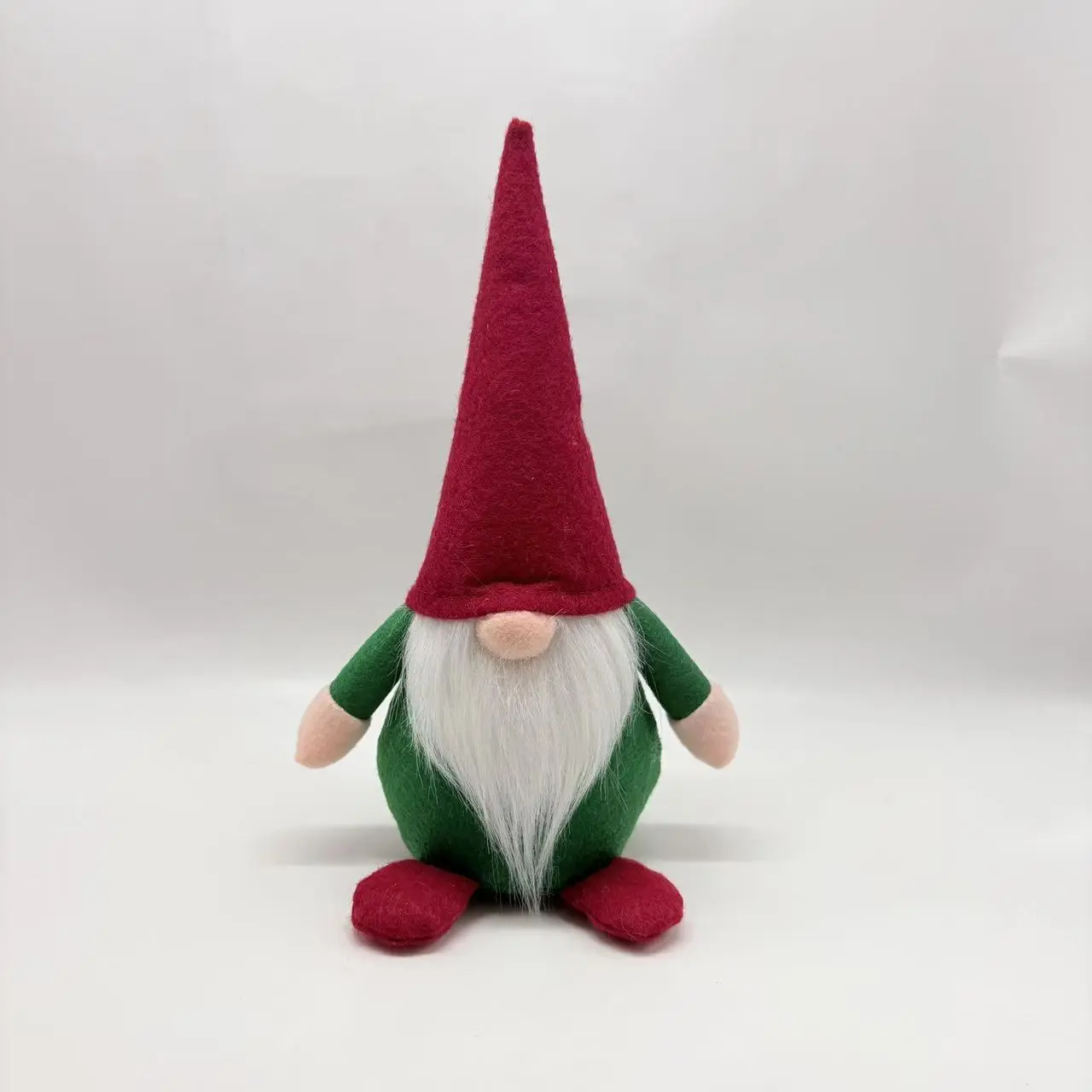
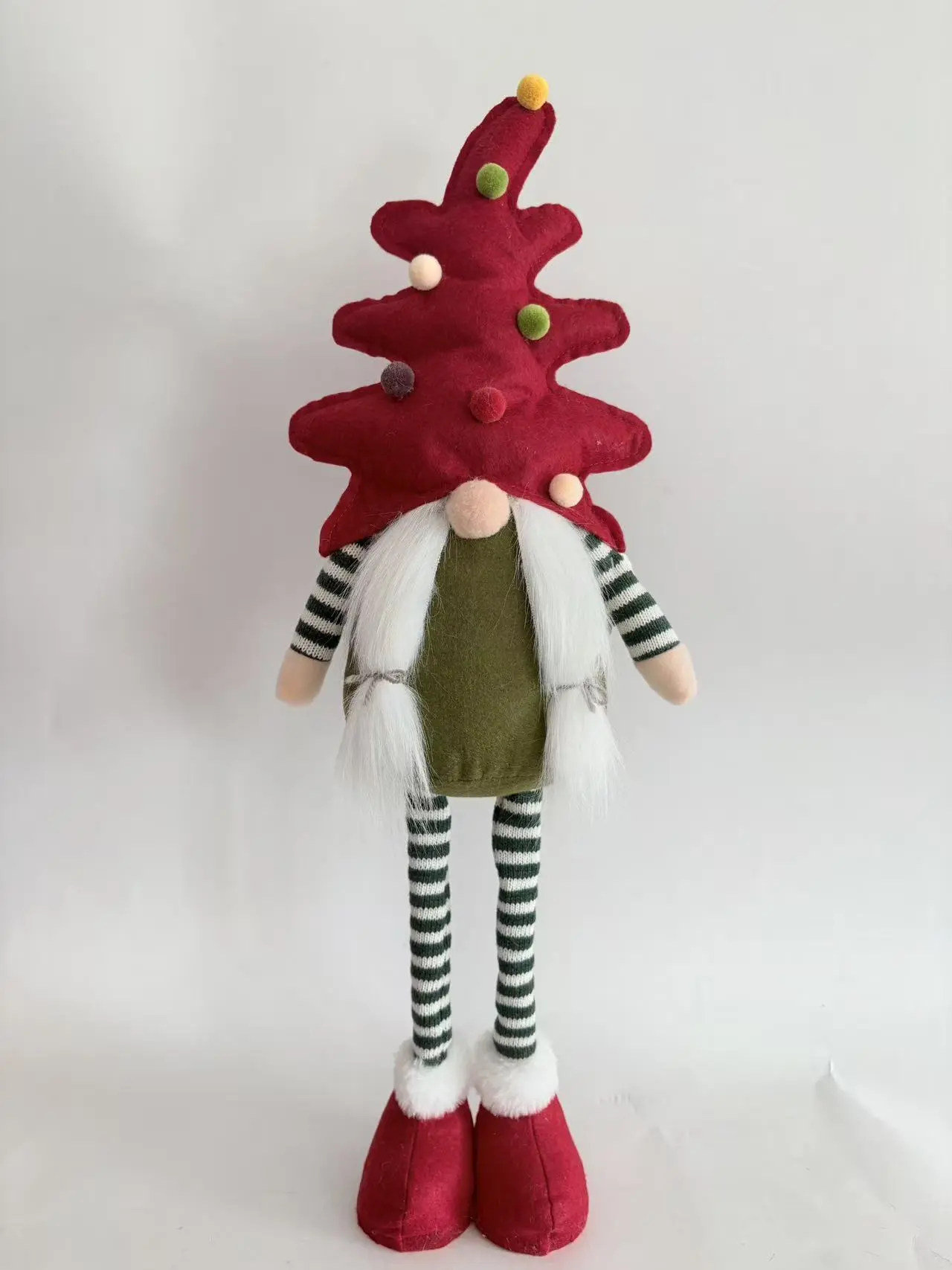
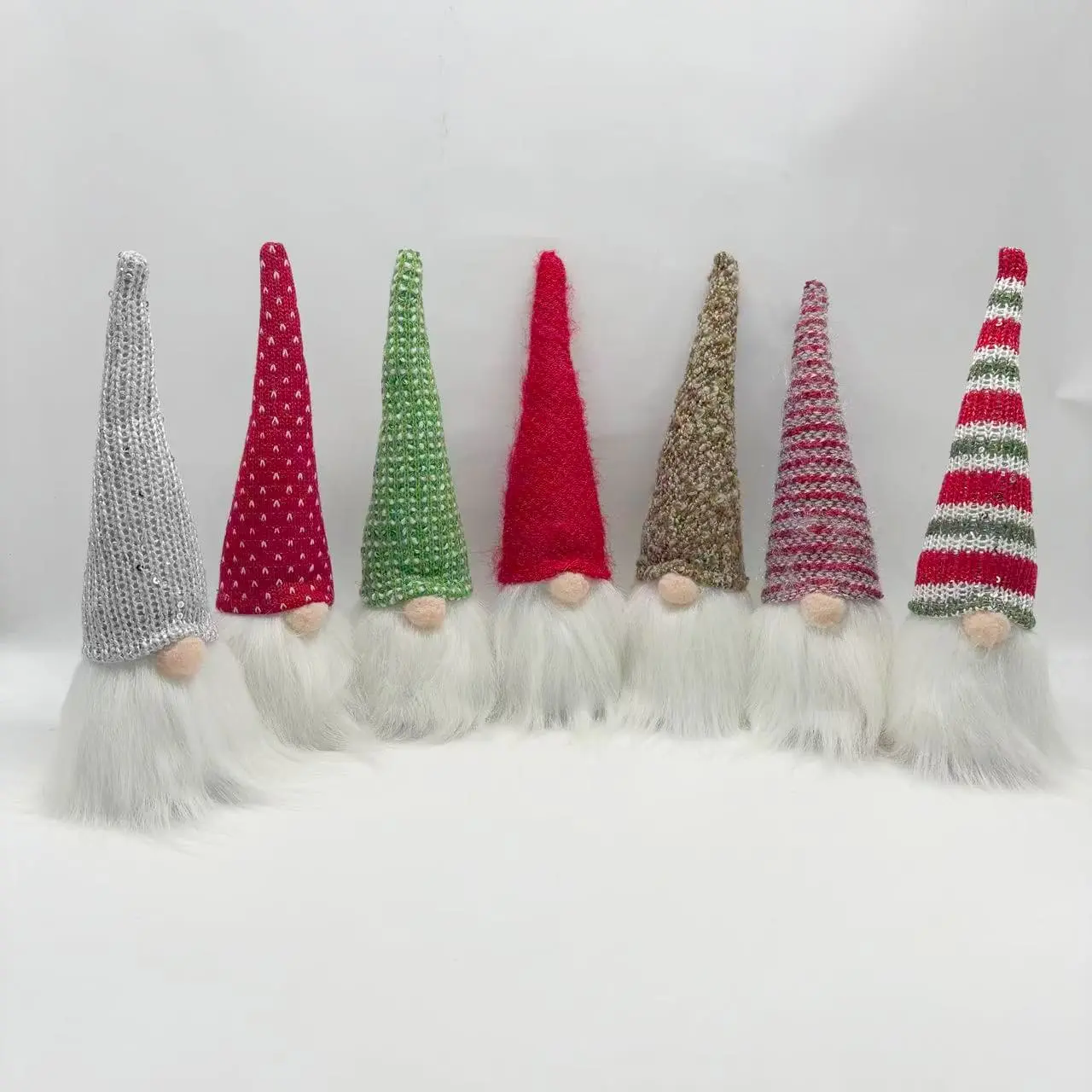
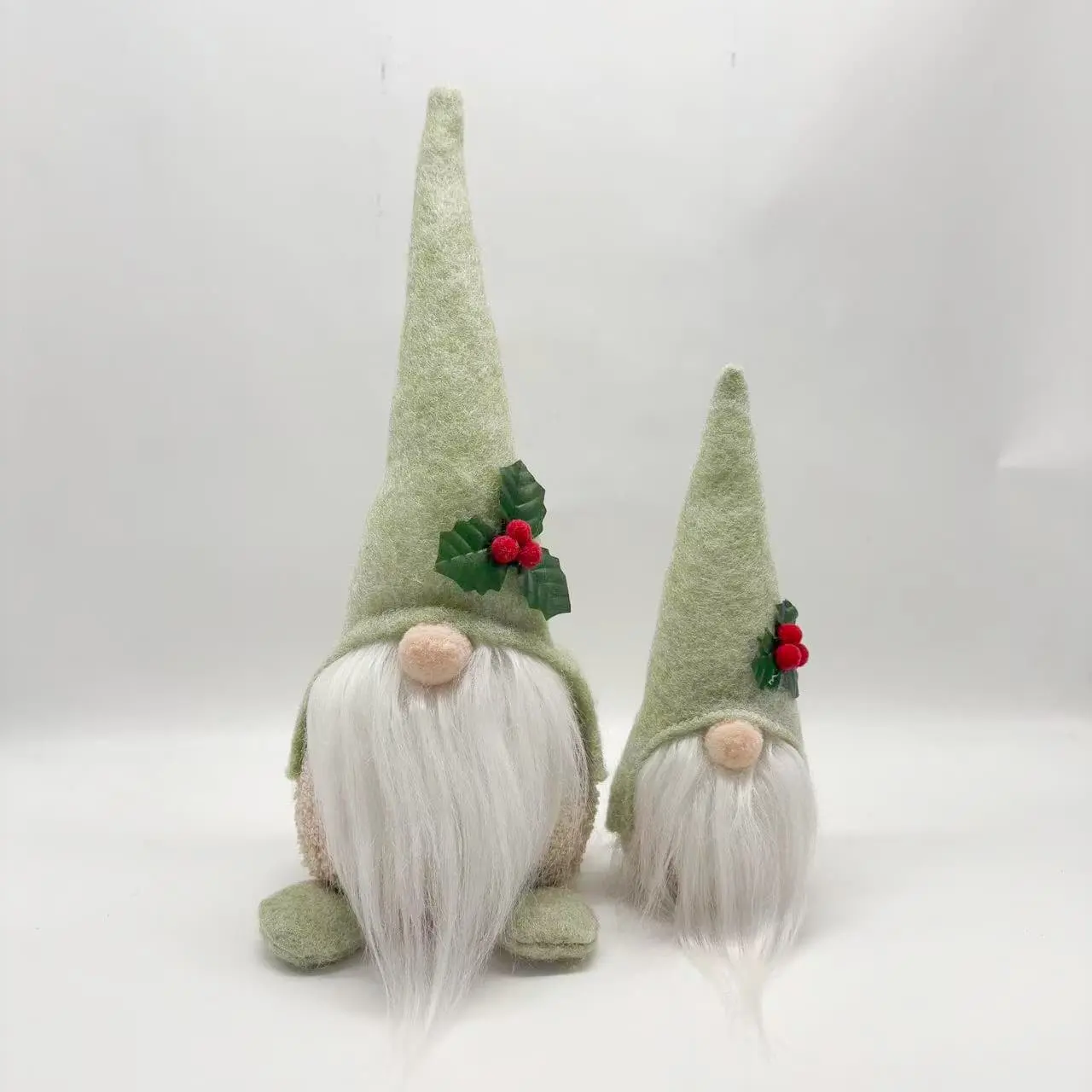
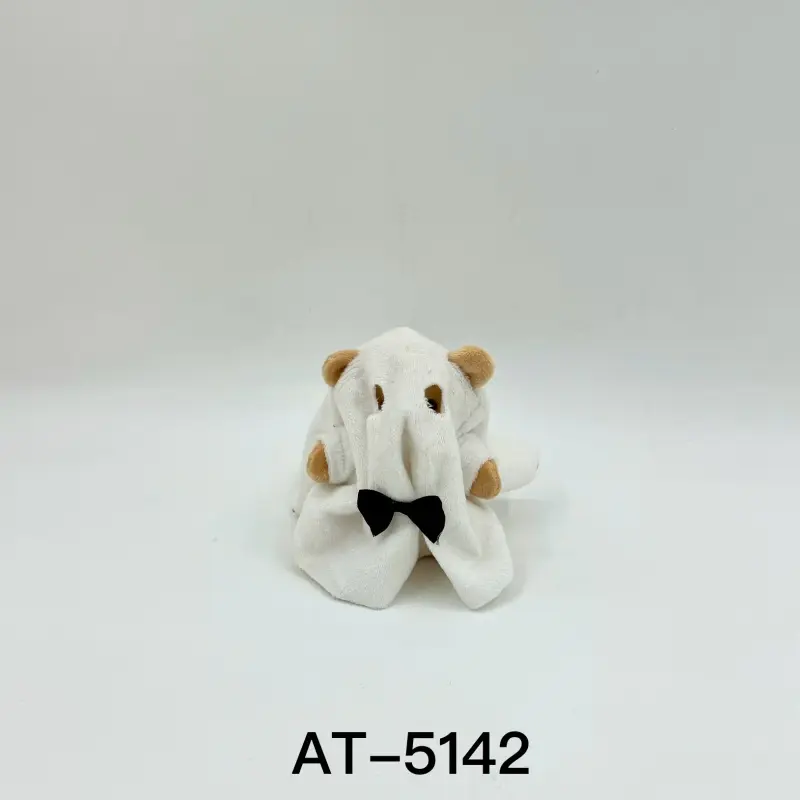
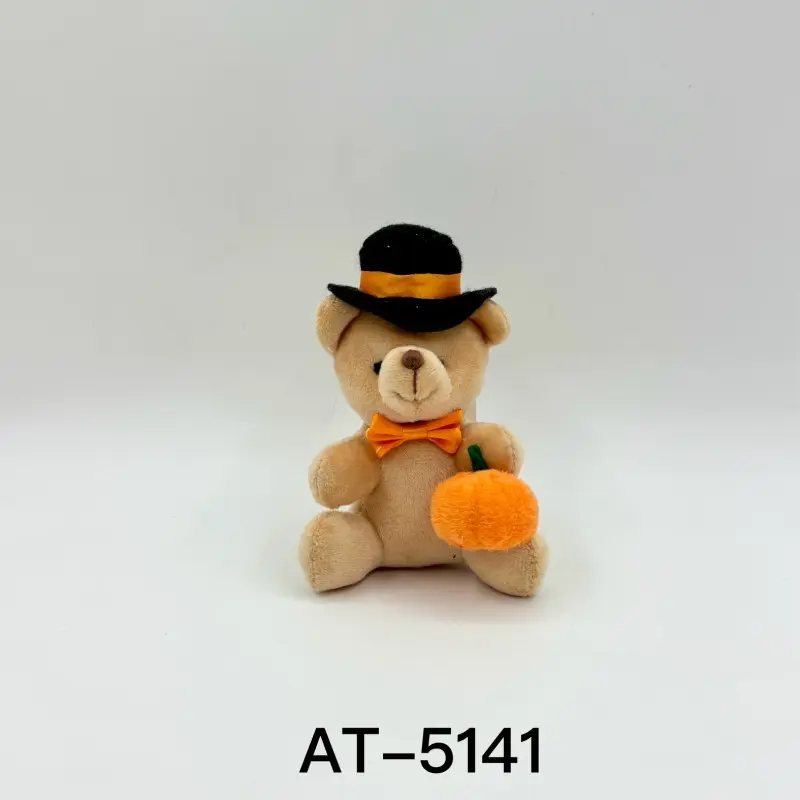
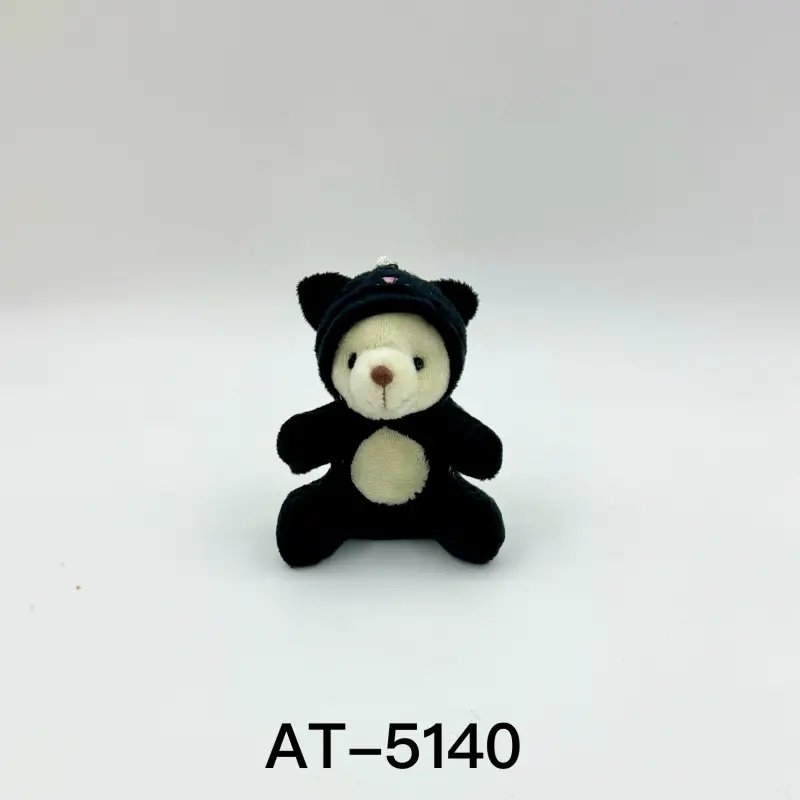
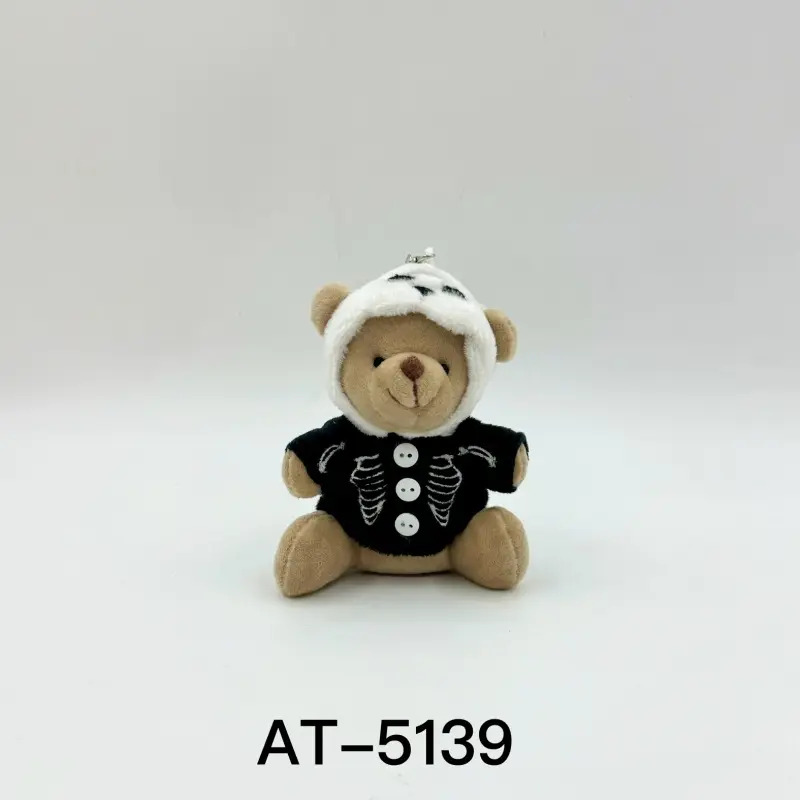
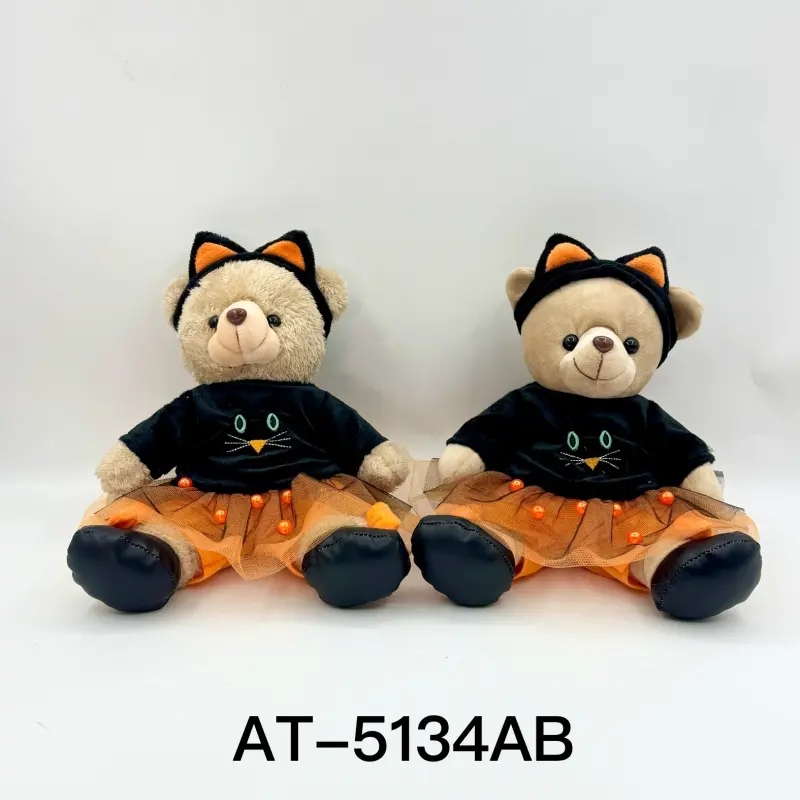
Explore our curated selection of high-fidelity luxury foliage, simulated floral engineering, and handcrafted artistic designs certified for global import.
The global premium floral market has undergone a significant paradigm shift. Once categorized merely as decorative budget accessories, simulated botanicals have transcended into the luxury architectural and interior design realms. The modern B2B buyer is no longer satisfied with static silk flowers; the market demands dynamic, multi-sensory replica botanicals that challenge the distinction between organic structures and engineered polymers.
This transformation is fueled by materials science. The emergence of liquid injection polyurethane (PU), hyper-dense poly-ethylene (PE) polymers, and structural velvet blends allows factories to match the organic touch and light-scattering properties of living petals. Advanced manufacturing plants in Qingdao and dynamic clusters across China have digitized their design frameworks, moving from traditional hand-cutting to structural 3D mold rendering and micro-texture engineering. This evolution addresses critical commercial pain points: biological decay, allergen control, structural degradation, and high maintenance costs in high-traffic installations.
True luxury artificial flowers utilize a micro-thin layer of hydrophobic elastomer polymer coating over a dense core structure. This replicates the biological moisture barrier found on real petals, giving the product its characteristic "real-touch" texture while preventing dust adherence and color fading under UV exposure.
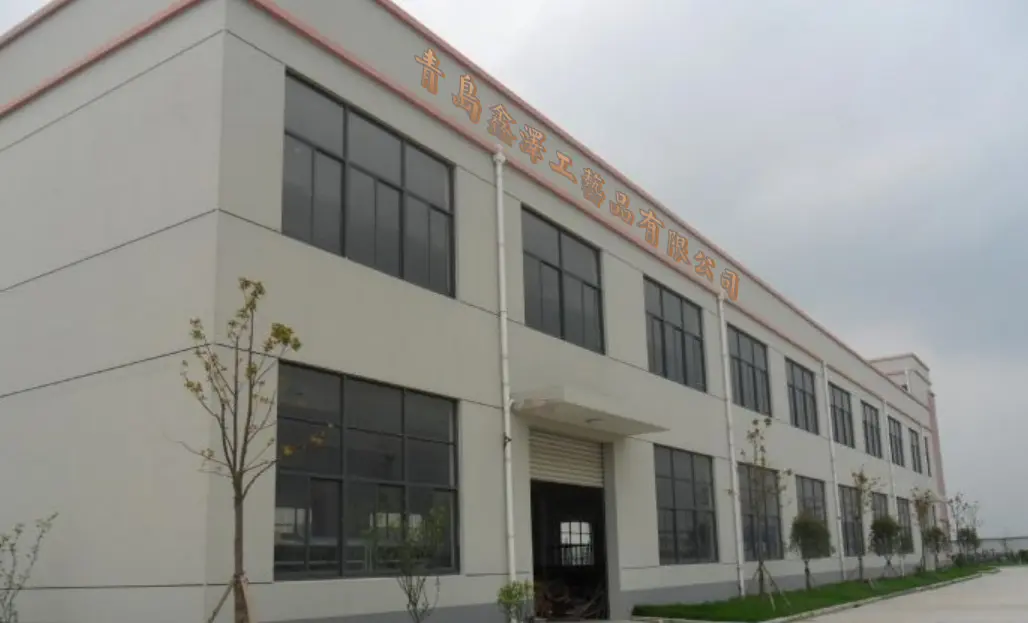
Founded in the coastal manufacturing hub of Qingdao, Qingdao Shintae Arts and Crafts Co., Ltd. has established itself as an international supplier of high-end crafts, custom plush designs, seasonal decorations, and bespoke artificial botanical solutions. By integrating regional textile heritage with modern materials engineering, Shintae bridges the gap between artisan-level detail and heavy industrial scale.
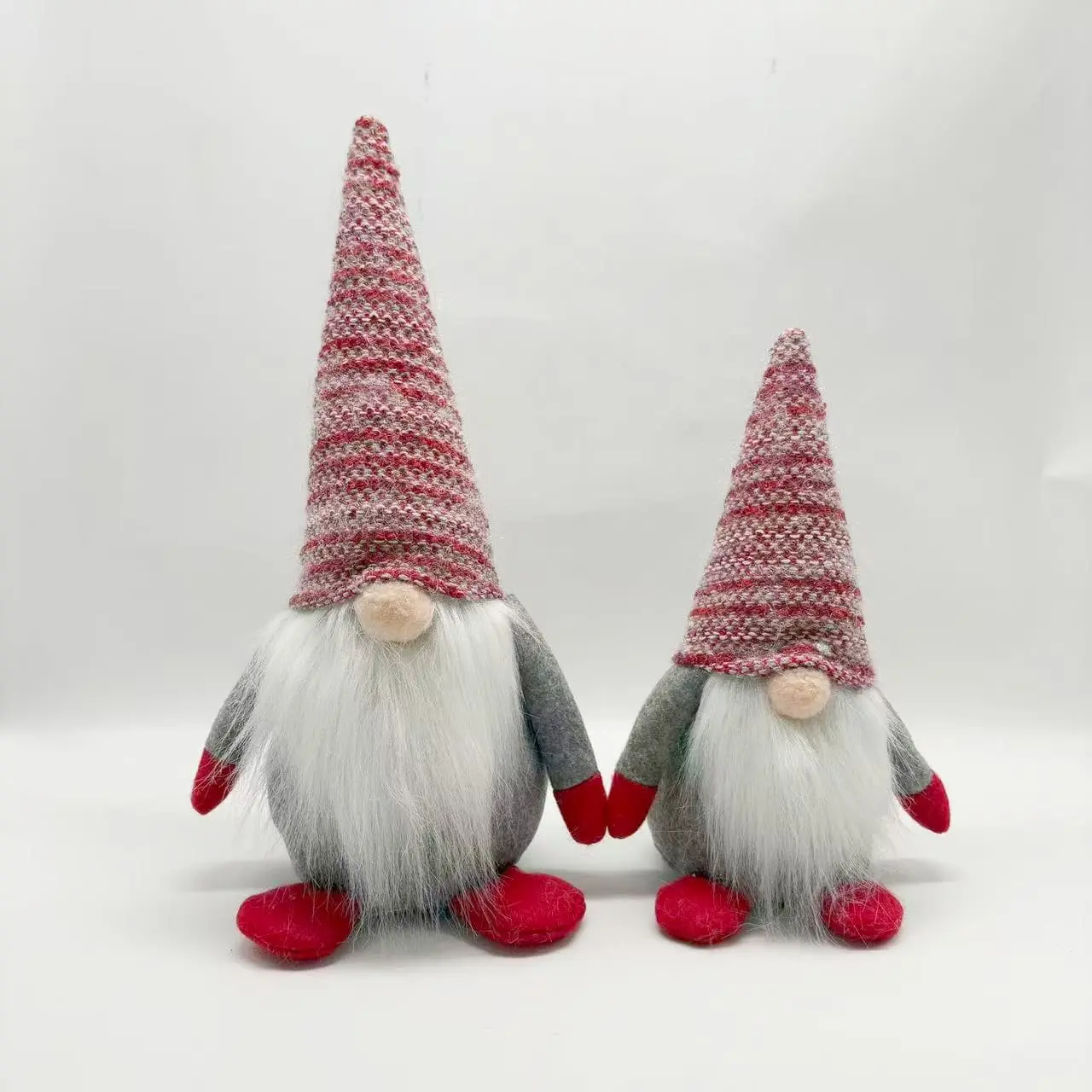
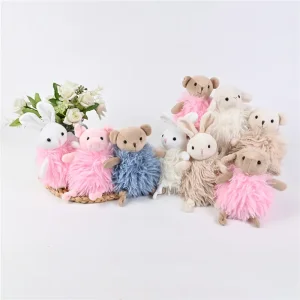
Shintae's core philosophy centers on aesthetic longevity and environmental safety. Utilizing advanced polymer foundations alongside standard fleece, polar wool, cotton, wood, and glass components, the company serves clients in over 100 countries, including the United States, Germany, Denmark, and Italy. Our focus on supply chain transparency and iterative R&D ensures that every product line—whether holiday gnomes, plush animals, or realistic floral stems—conforms to international safety and ecological guidelines.
Our facility operates at the intersection of automated efficiency and hand-finishing. We believe automation handles scale and consistency, while human artisans provide the fine adjustments in texture, alignment, and final coloration that define luxury products.
A technical breakdown of raw materials, polymer coatings, and base fabrics utilized in luxury artificial plant manufacturing.
Employed in high-end foliage and real-touch petals. Offers excellent elasticity, high tensile strength, and captures fine organic details like micro-veining and petal curvature.
Provides structural integrity for larger botanical installations and outdoor installations. UV-inhibitors are added directly into the raw batch formula during extrusion.
Micro-polyester, velvet, and structured fleece fabrics. They absorb deep dyes effectively, allowing for gradient prints that simulate real botanical variation.
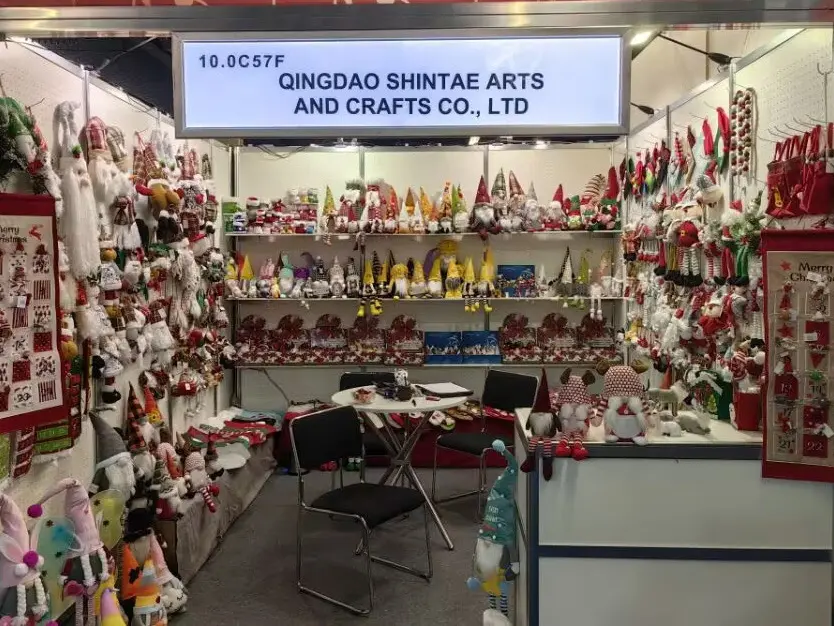
China's manufacturing supremacy in the artificial flower and craft industry rests on deep supply chain integration. The "Factory 4.0" model, implemented at modern facilities in Shandong and adjacent provinces, combines digital inventory networks, custom CAD dye injection machinery, and automated assembly pathways.
Unlike fragmented regional workshops, advanced factories host a complete vertical chain under one roof: from chemical synthesis of basic PU compounds, wire extrusion for structural stems, texturing mills, to final hand-tinting studios. This concentration reduces lead times from months to weeks, permitting high flexibility in custom designs (OEM/ODM). Additionally, advanced quality management controls ensure that paint finishes are free of heavy metal compounds and meet stringent REACH and RoHS standards for European and North American customs clearance.
High-end fake flowers are structurally flexible. Our packaging engineers design bespoke high-density compression boxes that minimize volume without bending internal steel wires. This significantly reduces ocean container costs and air freight surcharges for visual merchandising orders.
In addition to packaging efficiency, automated dye vats allow us to match colors with extreme precision. Utilizing spectrophotometers, we can duplicate custom brand colors, PMS shades, or complex botanical tones with high reliability across production runs.
How global visual directors, event managers, and designers utilize luxury faux botanicals to elevate space and control costs.
Modern hotels utilize simulated floral art in high-ceiling lobbies, hallways, and dining spaces. Real flowers demand constant hydration, temperature control, and replacement staff, adding substantial operational costs. Luxury synthetic arrangements offer an enduring, pristine look. We construct these arrangements with dust-repelling and flame-retardant materials, meeting strict commercial safety codes.
For premium fashion houses and boutique windows, fake flowers are styled into dramatic backdrops, ceiling cascades, and sculptural props. The structural steel core inside our stems allows display teams to twist, shape, and anchor the displays safely in three dimensions.
Event hire firms source durable, real-touch flowers to compile floral arches, table centerpieces, and backdrops. These components are reused across several booking cycles, demanding impact-resistant stem bases and petals that can withstand repeated packing, shipping, and setup.
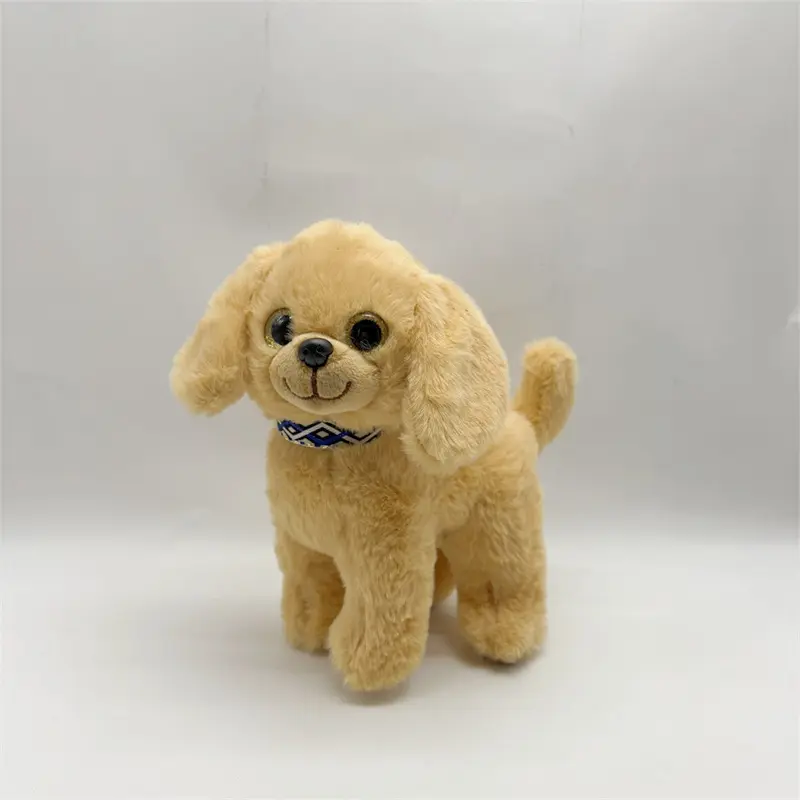
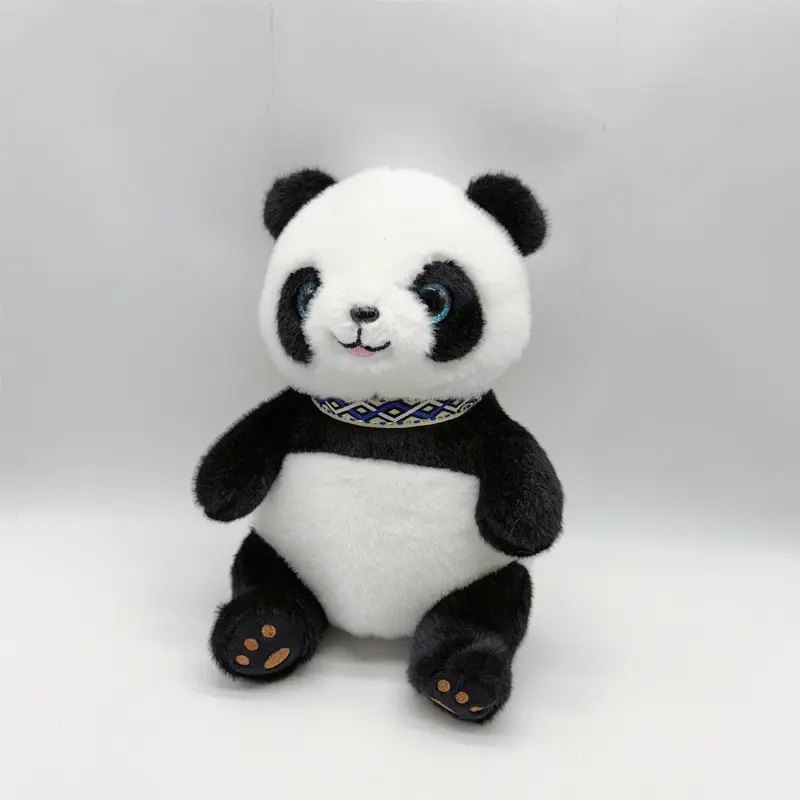
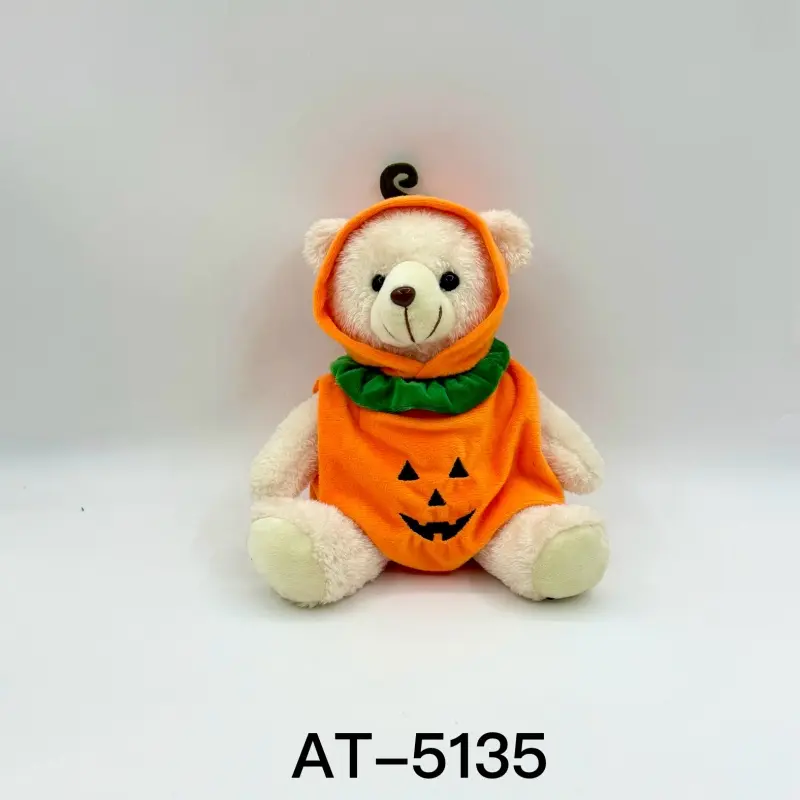
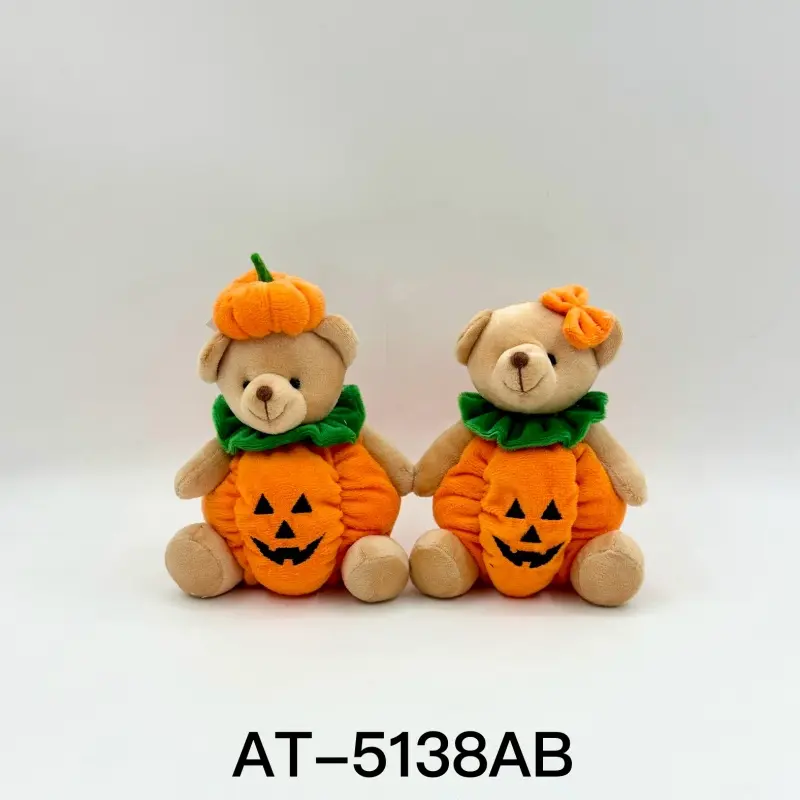
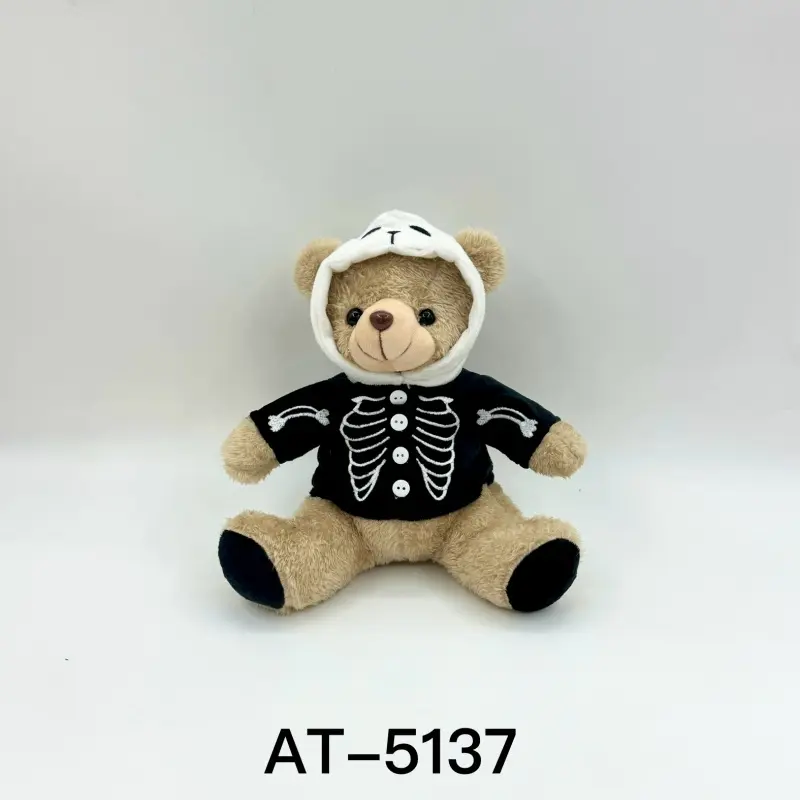
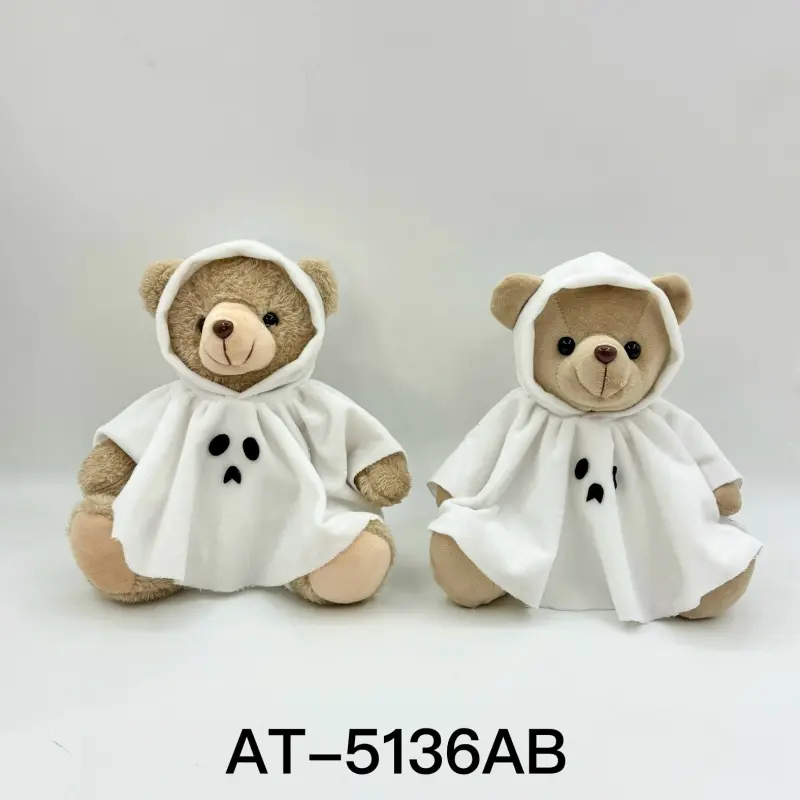
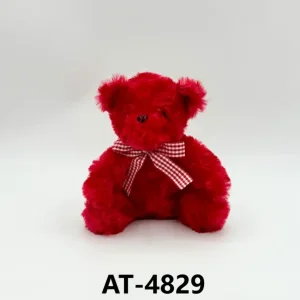
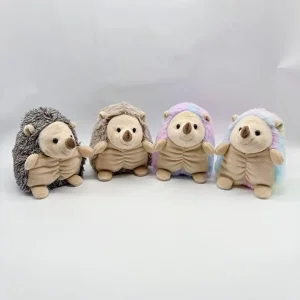
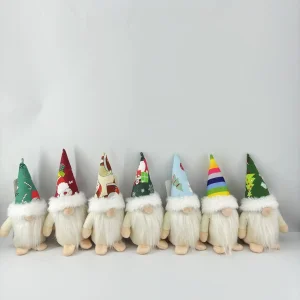
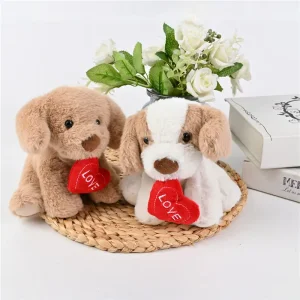
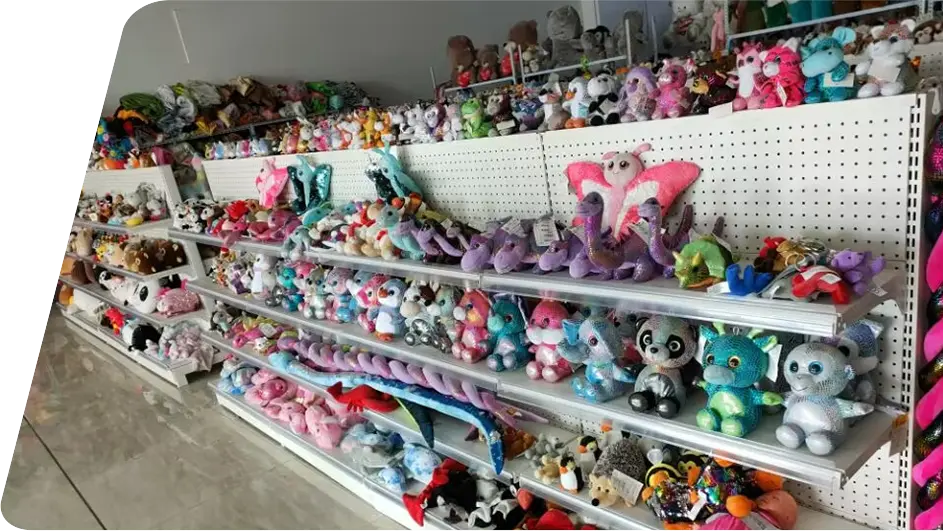
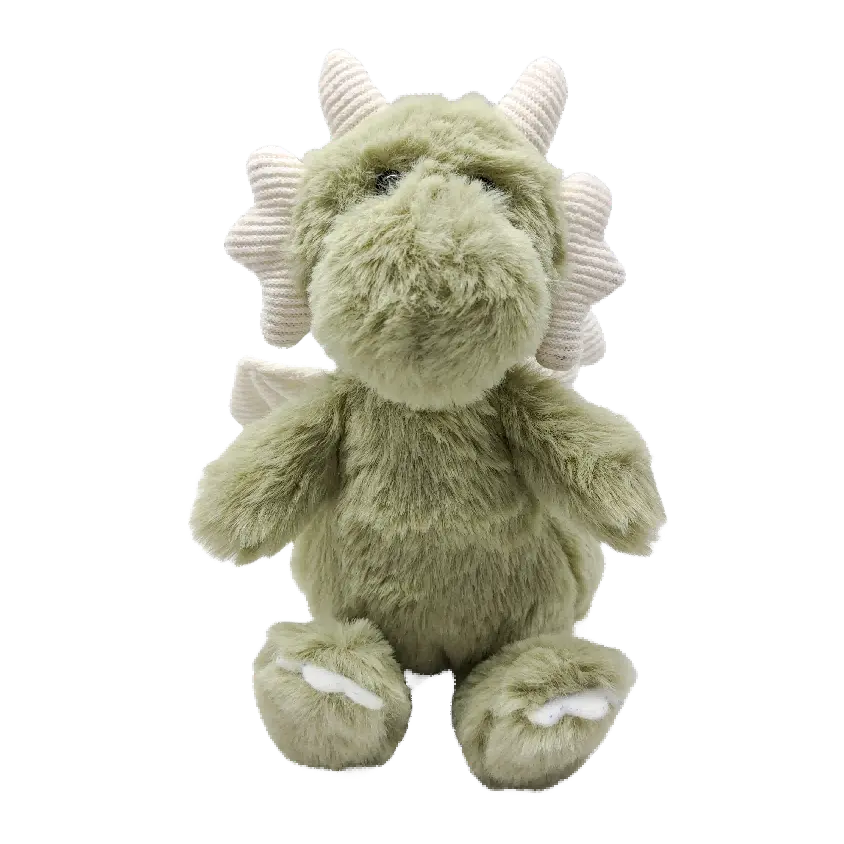
Showcasing seasonal accents, plush engineering, and polymer flora designs from our manufacturing catalog.
When deploying artificial flowers in commercial domains, compliance is a core operational requirement. Standard products found on domestic marketplaces often lack safety testing, presenting fire hazards or toxic outgassing.
Premium manufacturing processes embed fire-retardant chemicals directly into the raw polyester or PU resin during the extrusion phase (inherent fire retardancy), rather than spraying them on afterward. This technique ensures that the flame retardant properties remain active even after commercial washing or steam cleaning. These products are tested against NFPA 701 standards in the United States and EN 13501-1 Class B standards in Europe.
Furthermore, UV degradation tests are vital for outdoor configurations. Through simulated weather chambers (QUV testing), materials undergo intense ultraviolet radiation and moisture cycles to replicate years of exposure. Luxury plants must maintain color and structural integrity for at least 3 years in outdoor environments.
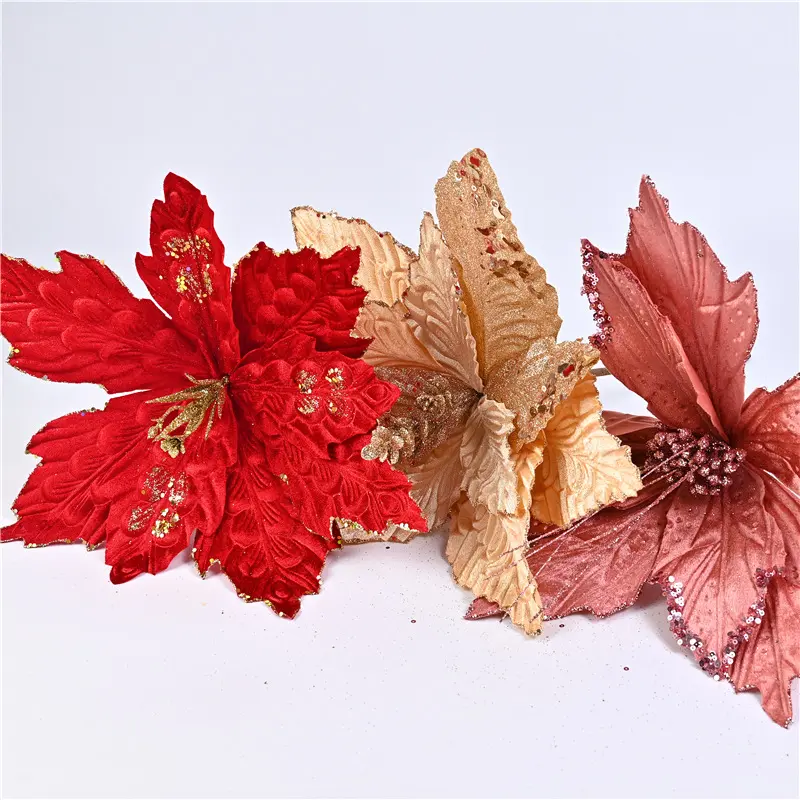
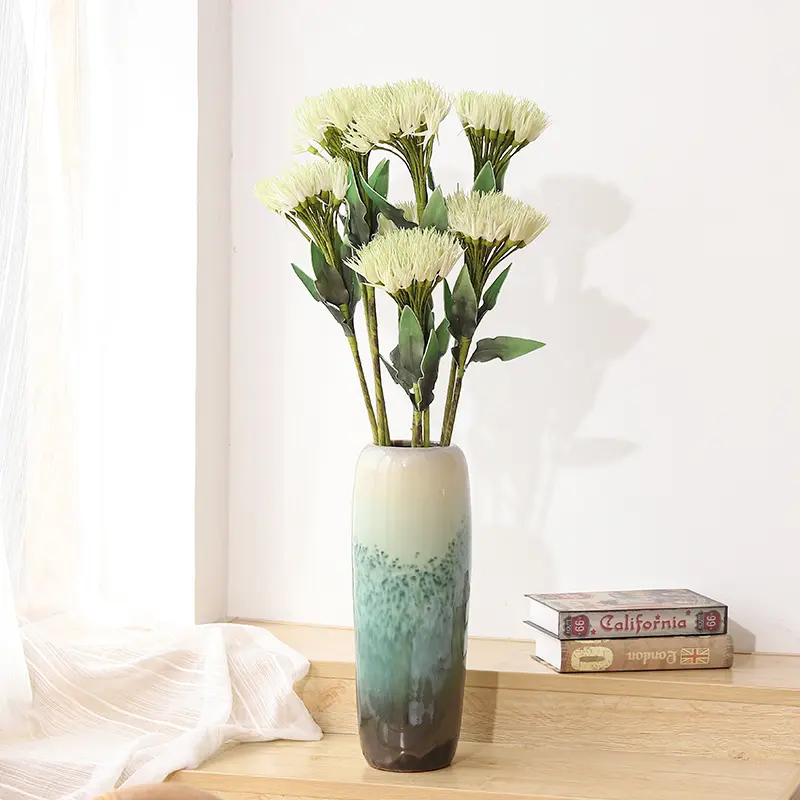
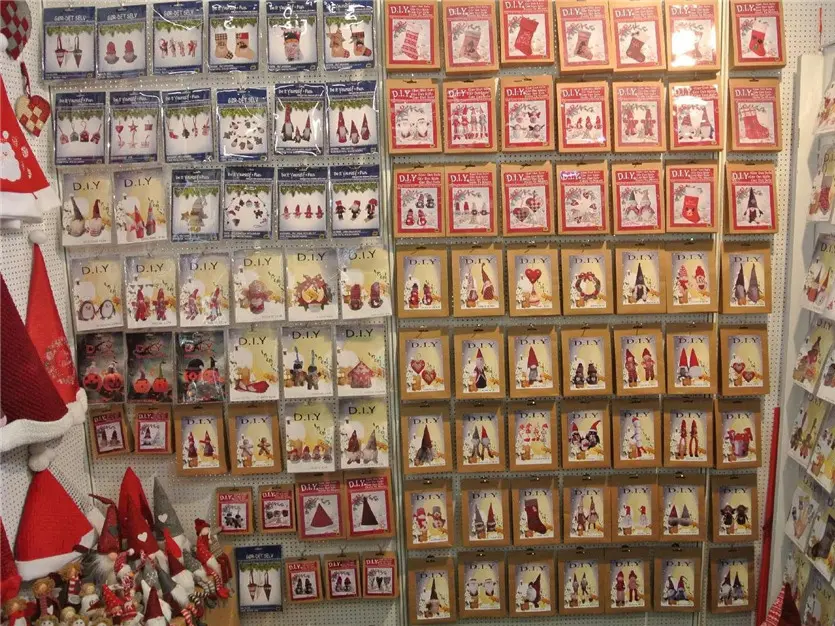
Beyond fixed catalog items, major retailers and design agencies require semi-finished materials, customizable heads, and flexible stem packs to curate custom displays. This segment drives the growth of DIY botanical craft exports, where components like flower heads, leaves, wire frames, and backing moss panels are shipped separately.
Shintae's expertise in multi-material crafting allows us to combine disparate materials—such as wood, PE, plush felt, and glass accents—into cohesive seasonal craft kits. By shipping component-based design elements rather than fully assembled stems, buyers save significant container volume space while retaining the freedom to customize the final product on-site.
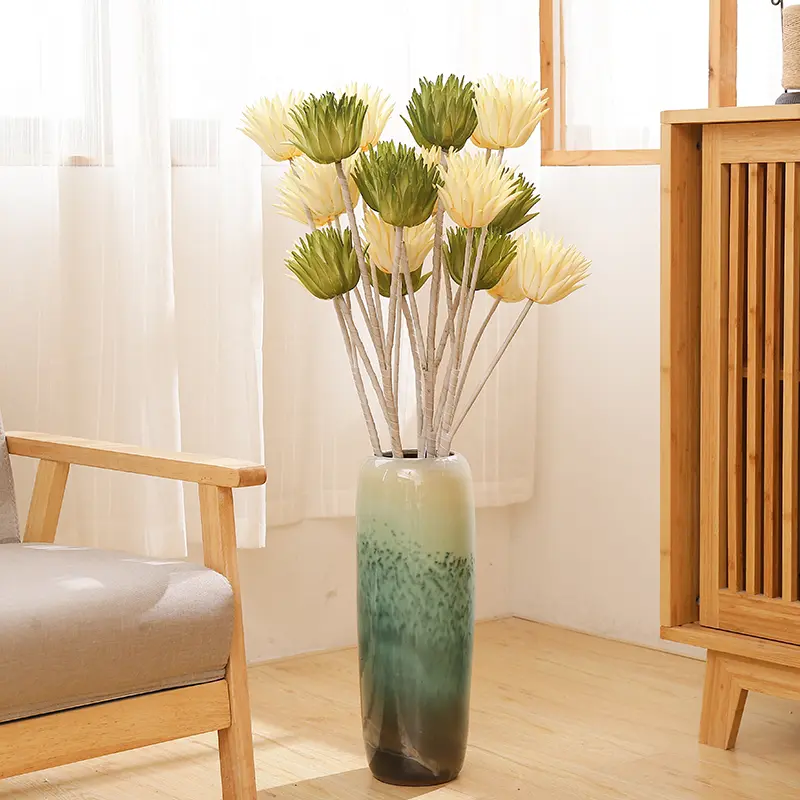
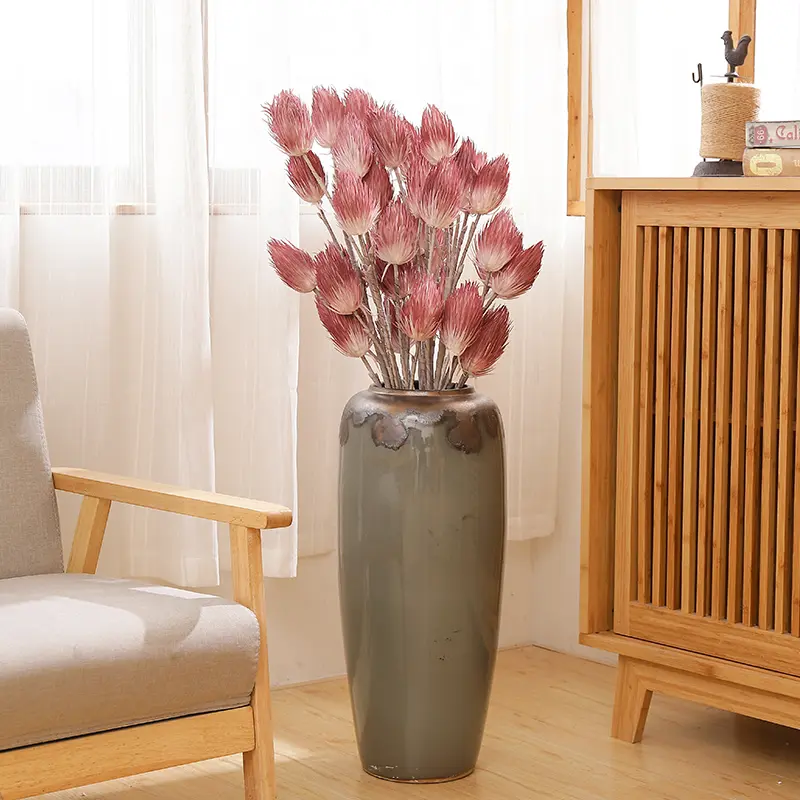
Essential guidance on logistics, material properties, quality indicators, and ordering procedures for commercial B2B partners.
Expand your catalog with our high-demand holiday decorations, simulated stems, and custom plush toys tailored for global markets.
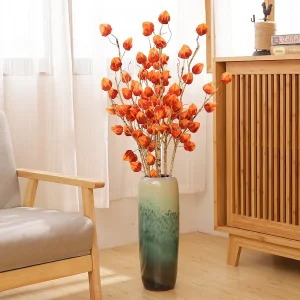
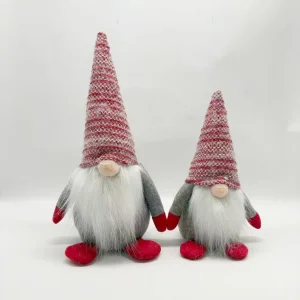
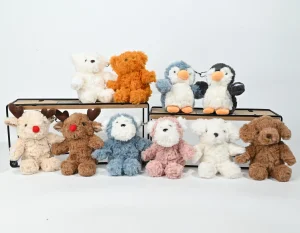
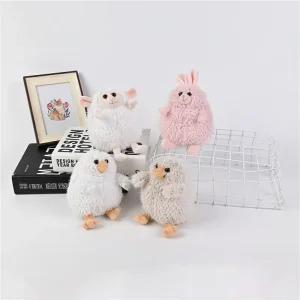
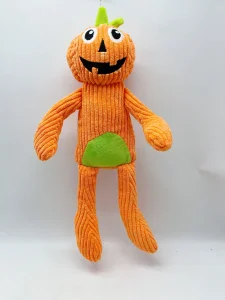
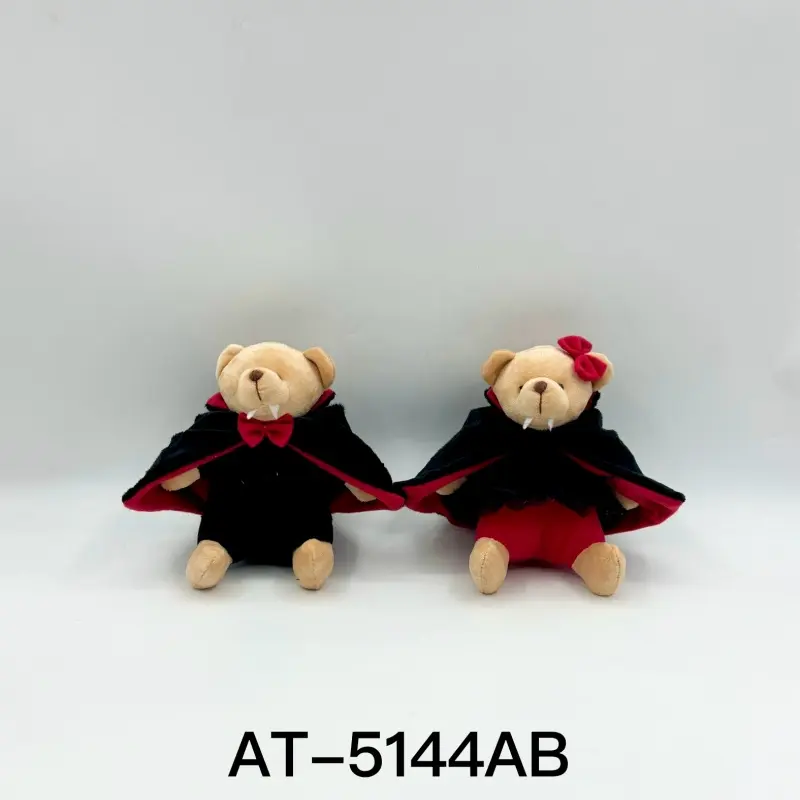
Explore character creations and seasonal custom design assets from the Shintae product line.
 Shintae