The global market for Fake Hanging Plants Outdoor has transitioned from a niche residential decor subsegment into a multi-billion dollar commercial and industrial landscape. Driven by rapid urbanization, intensifying climate volatility, and the escalating costs of municipal and corporate horticultural maintenance, artificial greening infrastructure is now a standard design element in international architecture. Real estate developers, landscape designers, and municipal authorities are increasingly replacing living hanging plants with high-fidelity, high-durability synthetic alternatives. This shift is not merely aesthetic; it is an economic and structural optimization strategy.
Globally, B2B procurement of artificial hanging plants is concentrated across major hubs in North America, Western Europe, and East Asia. In dry climates, such as the southwestern United States, southern Europe, and the Middle East, living hanging baskets suffer from extreme evapotranspiration rates. Keeping them vibrant requires heavy water consumption, automatic drip systems, and expensive pruning. Outdoor fake hanging plants mitigate these challenges entirely, maintaining constant visual luxury without irrigation, soil deterioration, or pesticide hazards.
Furthermore, structural weight limitations in modern building designs often prevent the use of heavy wet soil systems on facades, balconies, and overhead hangings. Lightweight polymer-based artificial arrangements allow architects to introduce massive vertical greening profiles without exceeding structural load limits, representing a profound architectural innovation.
Standard indoor faux foliage fades and cracks within months when exposed to solar radiation. Industrial outdoor hanging plants must feature integrated UV-protection chemistry. During the masterbatch blending phase, specialized UV Inhibitors (UVI) are co-extruded directly into the polymer matrix (typically Low-Density Polyethylene - LDPE or High-Density Polyethylene - HDPE). This molecular integration protects the material from solar degradation, preventing fading, discoloration, and structural embrittlement under intense sunlight.
Premium fake outdoor plants utilize advanced thermoplastic elastomer (TPE) and ethylene-vinyl acetate (EVA) foam technologies. EVA foam, celebrated for its high flexibility and tactile realism, is often used to replicate the succulent thickness of real leaves. Using advanced injection molding machinery, factories print natural leaf veins, color gradients, and matte textures onto the foliage, delivering realistic depth and texture that withstands physical handling and outdoor elements.
To withstand strong winds and heavy rain, outdoor artificial hanging plants are constructed with high-tensile, galvanized steel wire cores wrapped in waterproof polyolefin sleeves. This prevents rust-related failure. For public installations, products must also meet international fire safety regulations, incorporating halogen-free flame retardant additives that satisfy BS EN 13501 and UL 94 V-0 flame spread rating criteria.
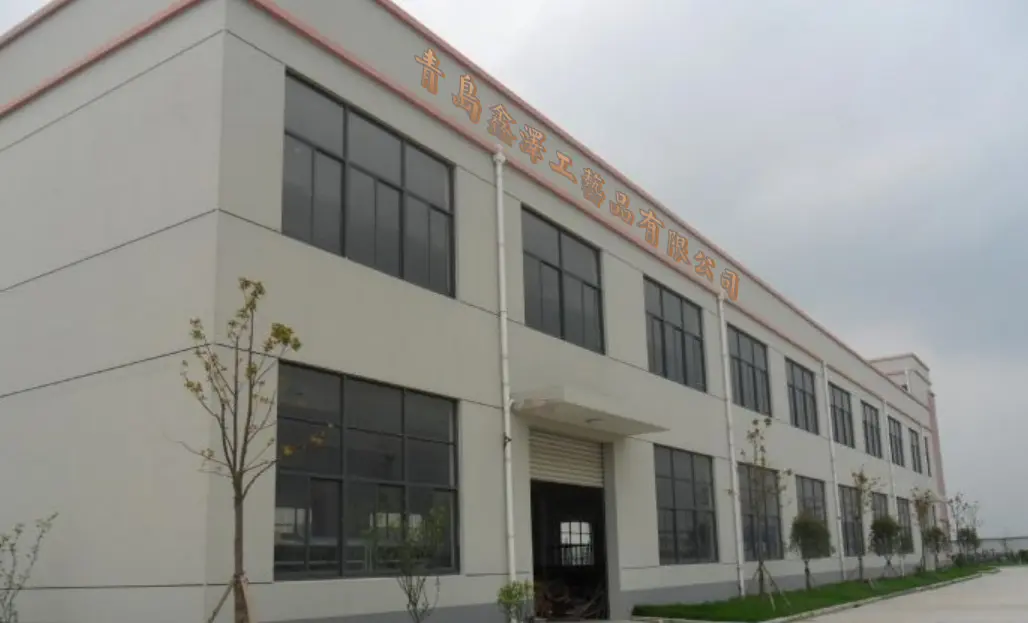
Founded in the coastal industrial hub of Qingdao, Qingdao Shintae Arts and Crafts Co., Ltd. has established itself as an innovative force in the international export of handmade DIY products, plush toys, artificial flowers, and seasonal decorations. The company has translated its deep heritage in precise craftsmanship, delicate design engineering, and complex fabric manipulation into producing high-fidelity artificial plants and foliage.
By leveraging its advanced facility in Qingdao, the company optimizes production using a wide variety of raw materials, including premium fabrics, fleece, polar wool, cotton, wood, glass, PE, and EVA foam. This diverse material expertise allows Shintae to engineer custom synthetic leaves, realistic stems, and durable hanging basket backbones that are structurally sound and visually beautiful.
Chinese manufacturing hubs benefit from unparalleled raw material supply chains, rapid prototyping capabilities, and highly skilled labor. Qingdao Shintae combines this industrial efficiency with rigorous quality control, ensuring every outdoor faux plant assembly meets strict international environmental and safety standards.
Modern shopping complexes and office plazas utilize hanging plants to soften concrete structures and enhance the shopper experience. Utilizing real plants in high, hard-to-reach locations creates substantial risk and high labor costs for maintenance teams. Faux hanging ivies, ferns, and trailing eucalyptus offer a permanent, maintenance-free greening solution that remains vibrant year-round.
Restaurants, bars, and boutique hotels rely on beautiful atmospheres to attract guests. Hanging artificial foliage is ideal for pergolas, alfresco dining spaces, and balconies. It provides instant privacy barriers and shade, and is immune to changing weather conditions or guest contact. It also eliminates issues with insects and rotting leaves near dining areas.
Municipalities and urban developers use artificial plants on highway flyovers, pedestrian bridges, and noise barriers where natural soil and irrigation are unavailable. High-density UV-resistant fake hanging plants deliver instant greening benefits, softening steel and concrete while contributing to urban wellness without water use.
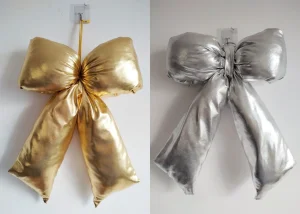
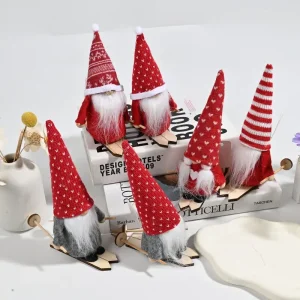
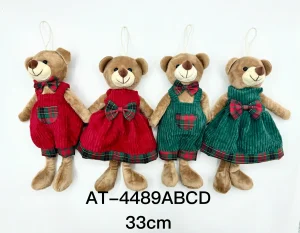
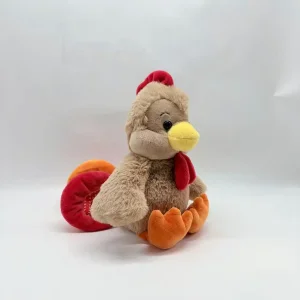
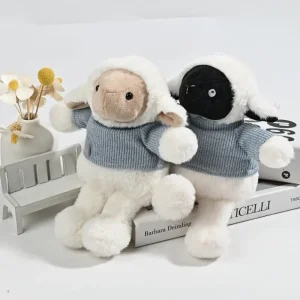
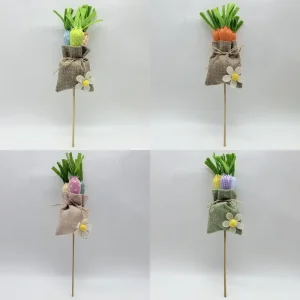
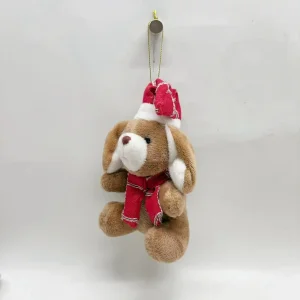
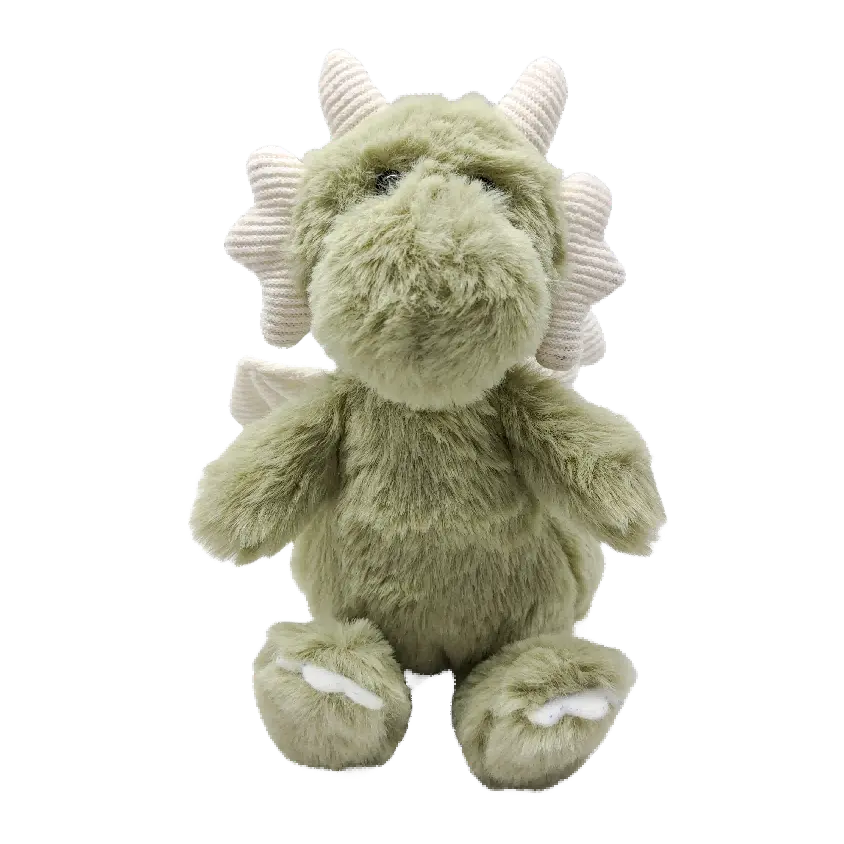
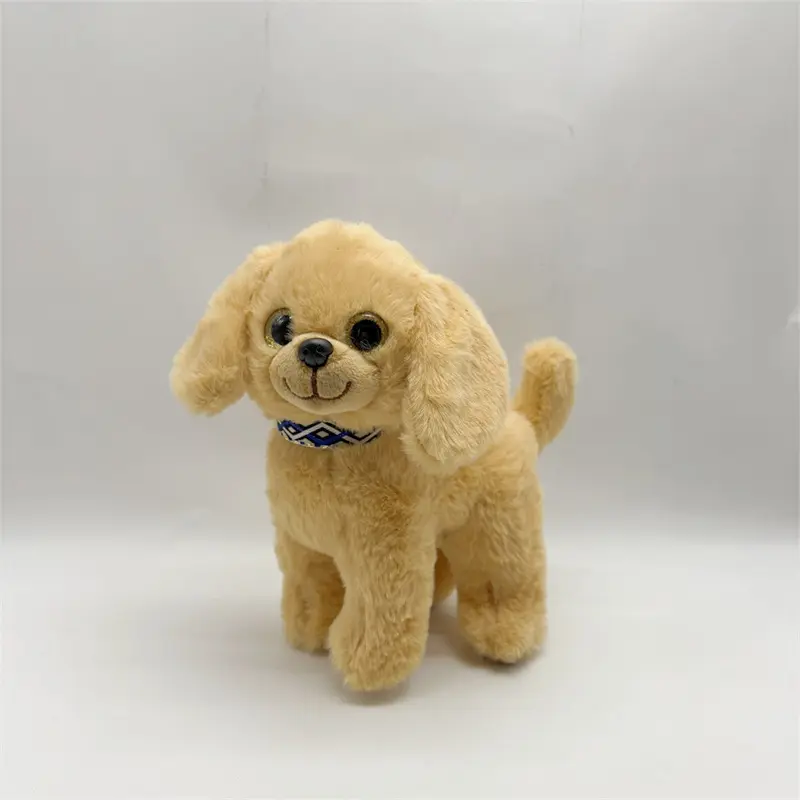
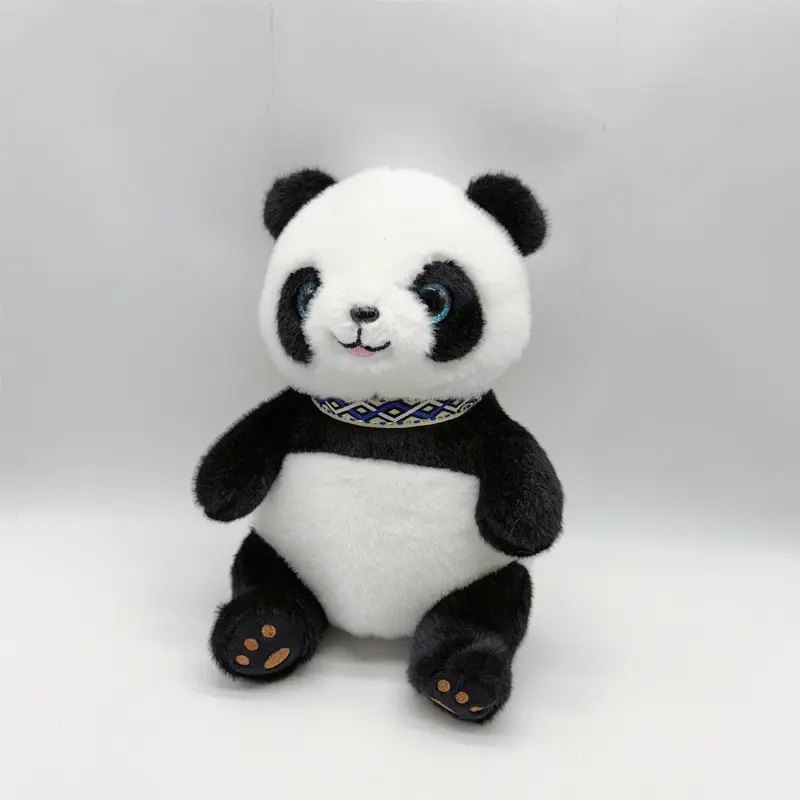
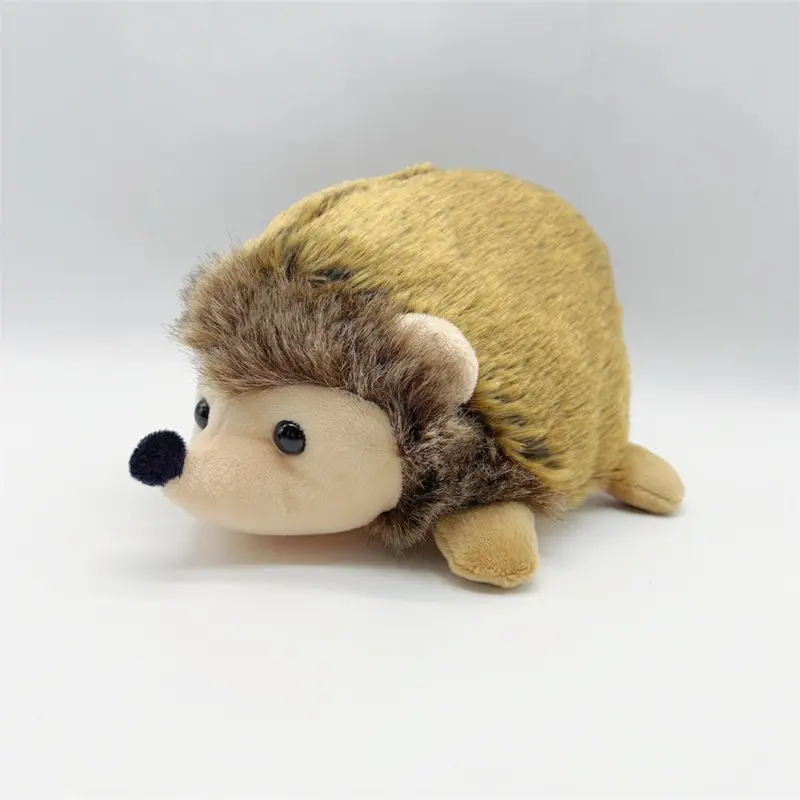
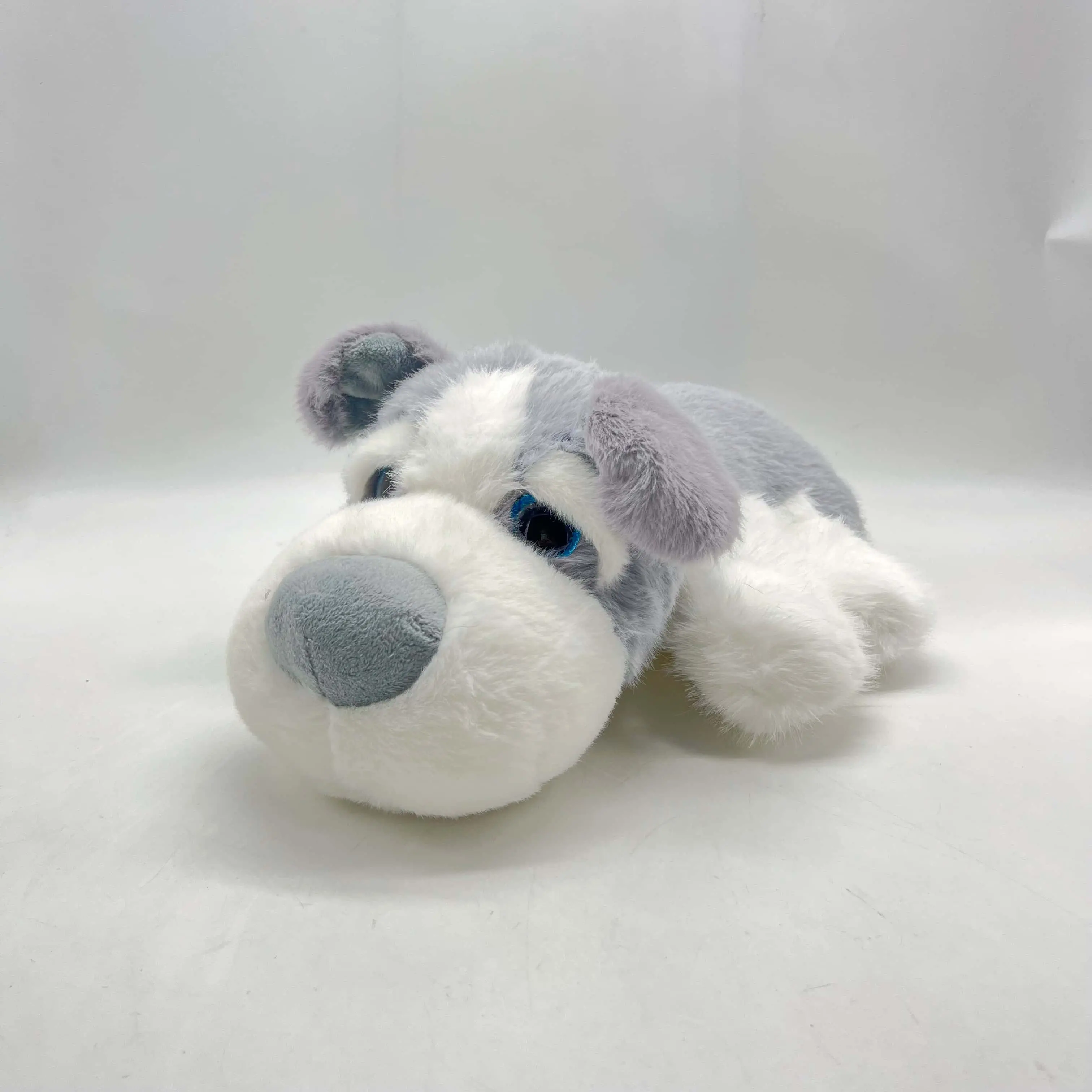
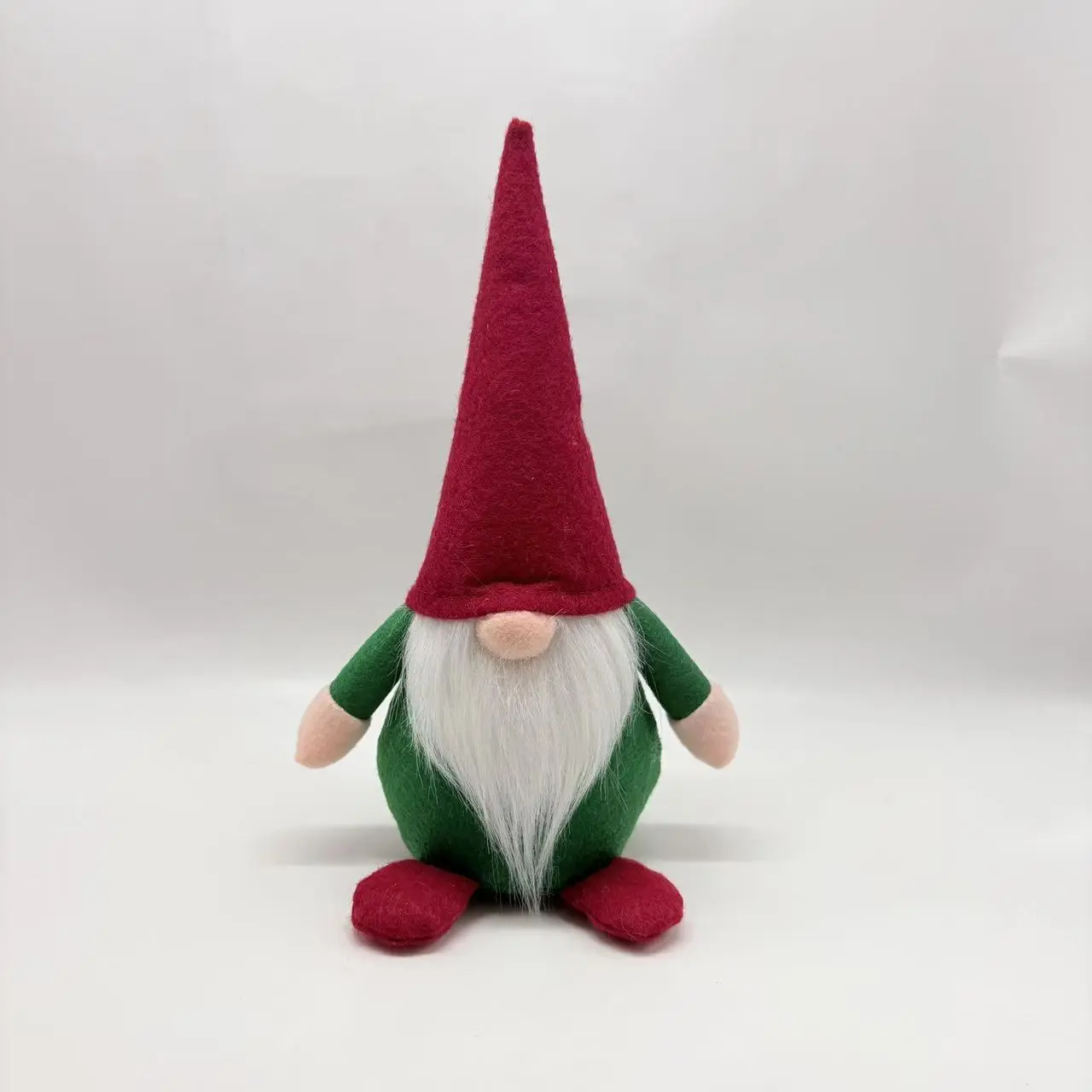
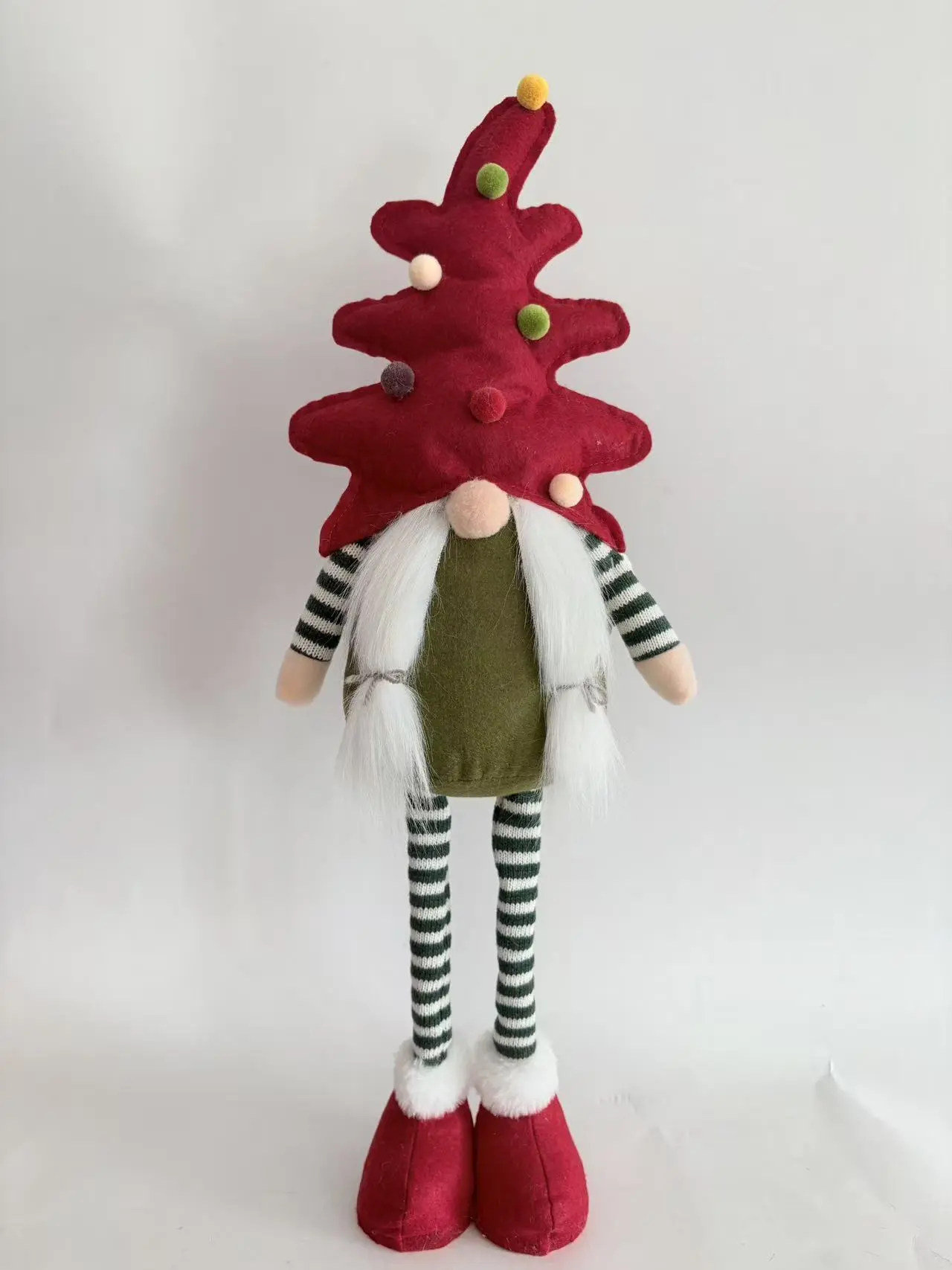
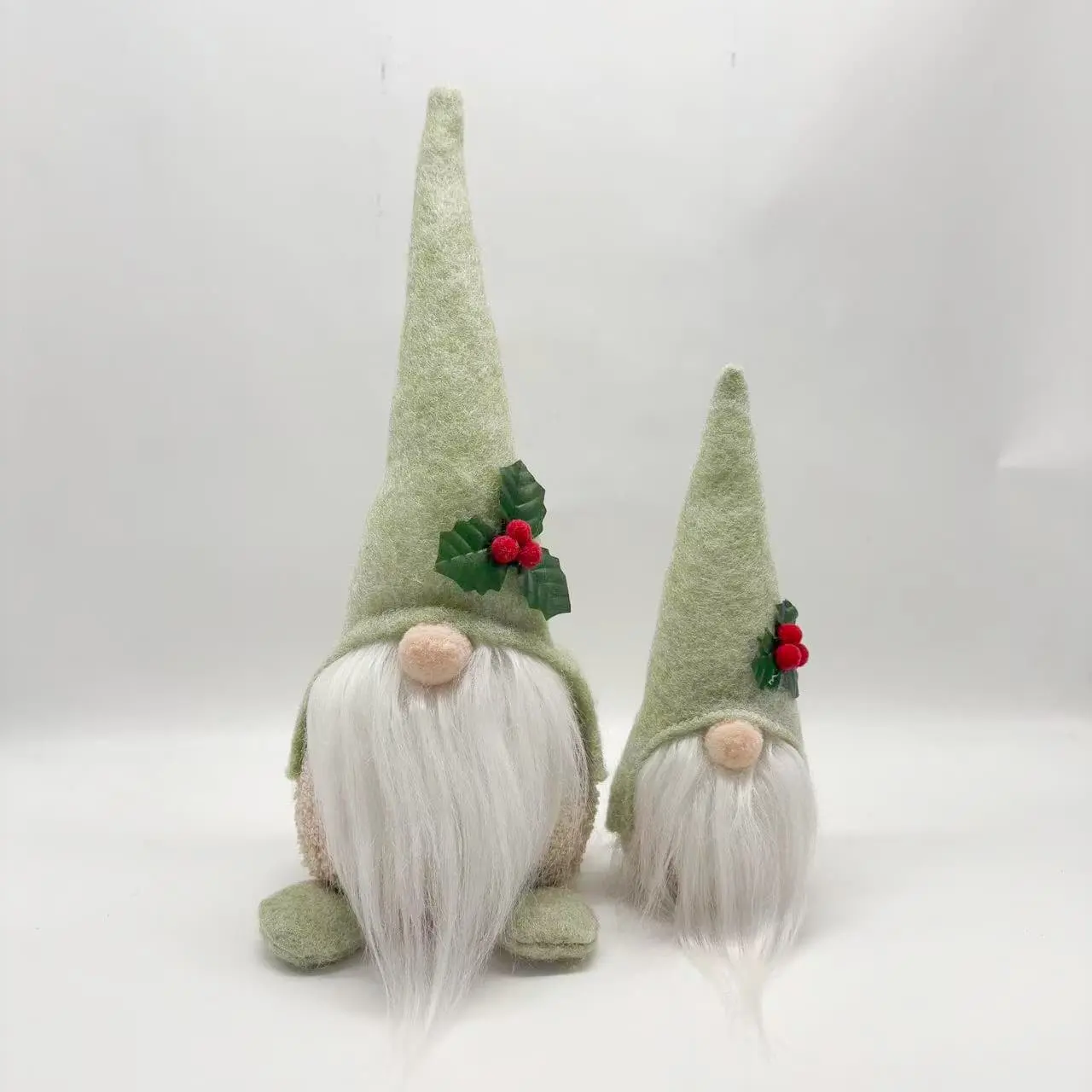
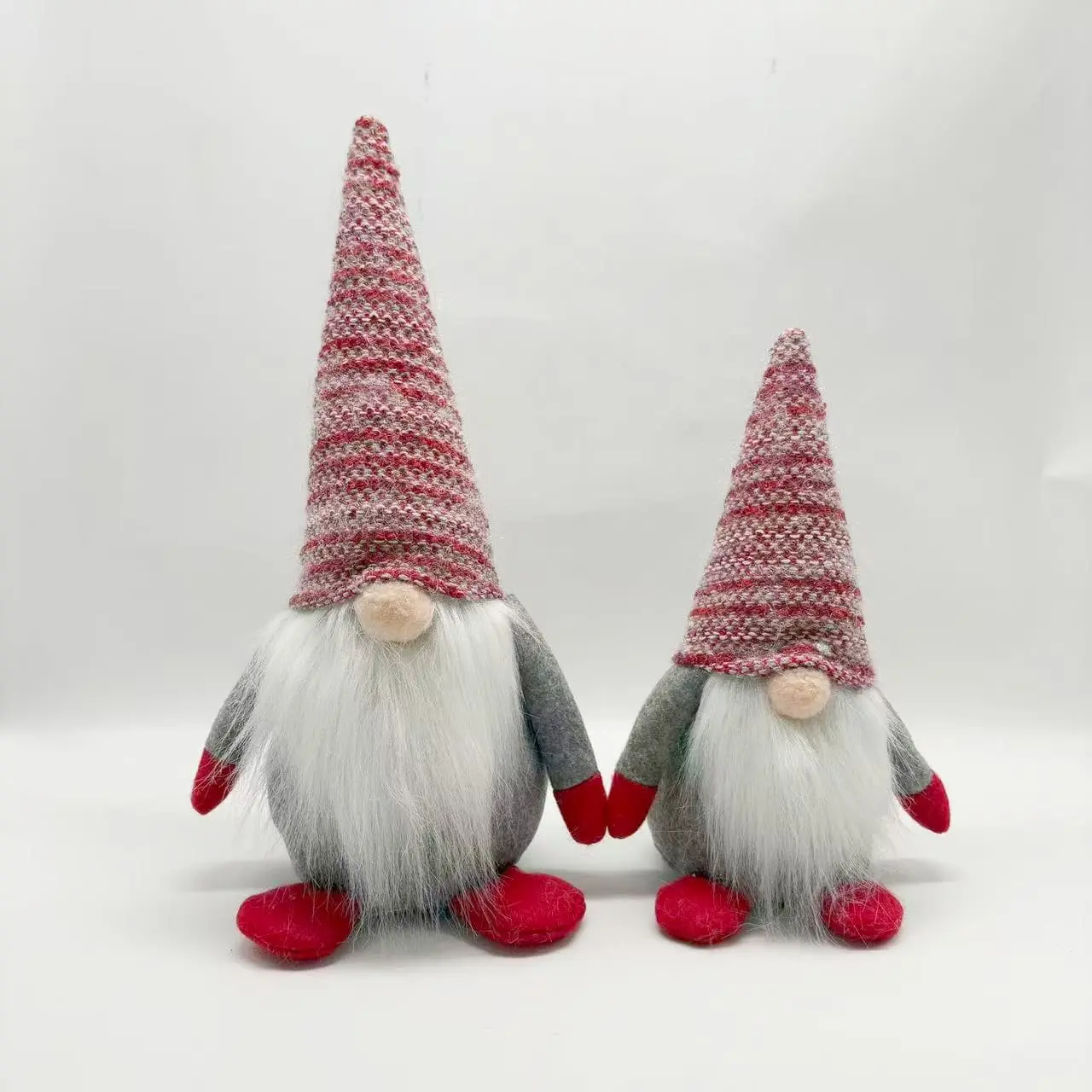
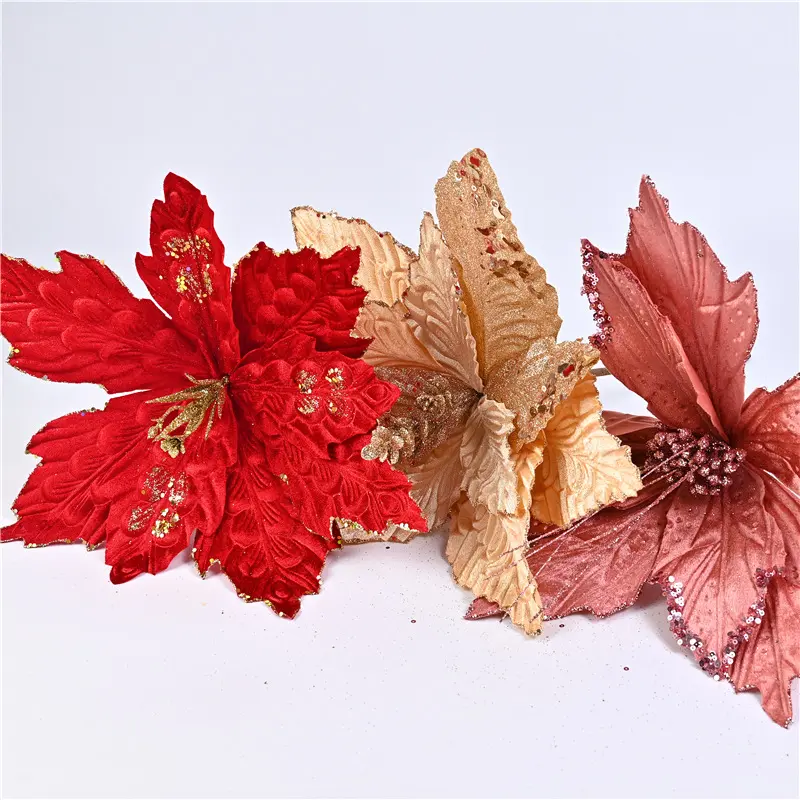
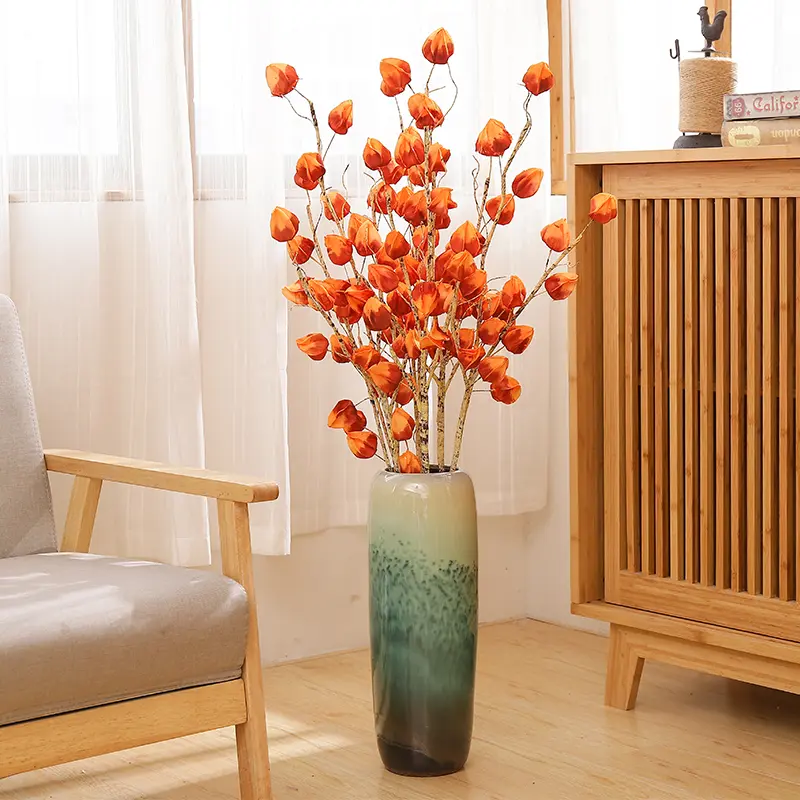
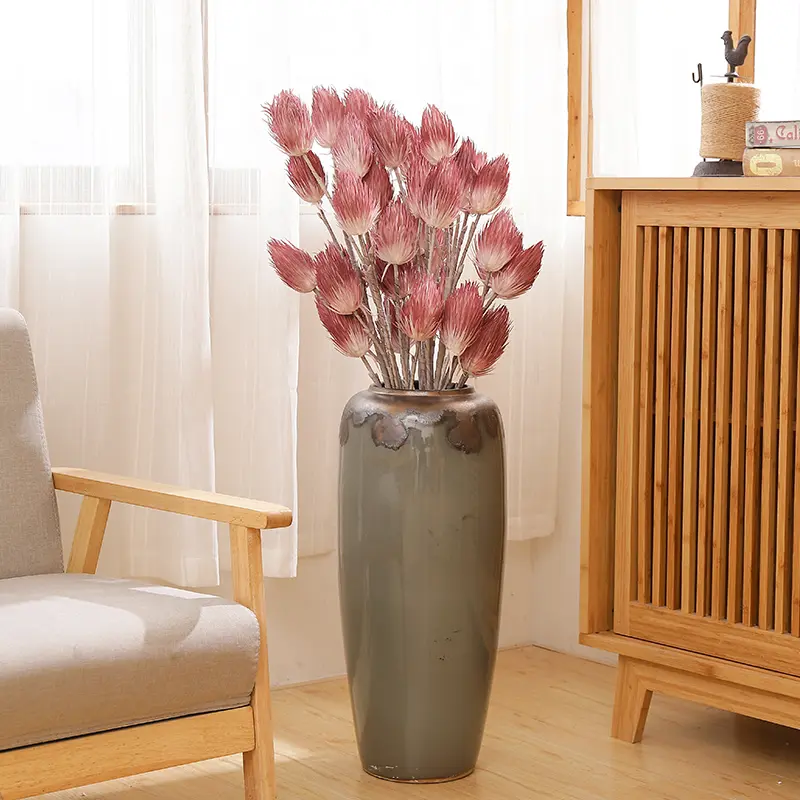
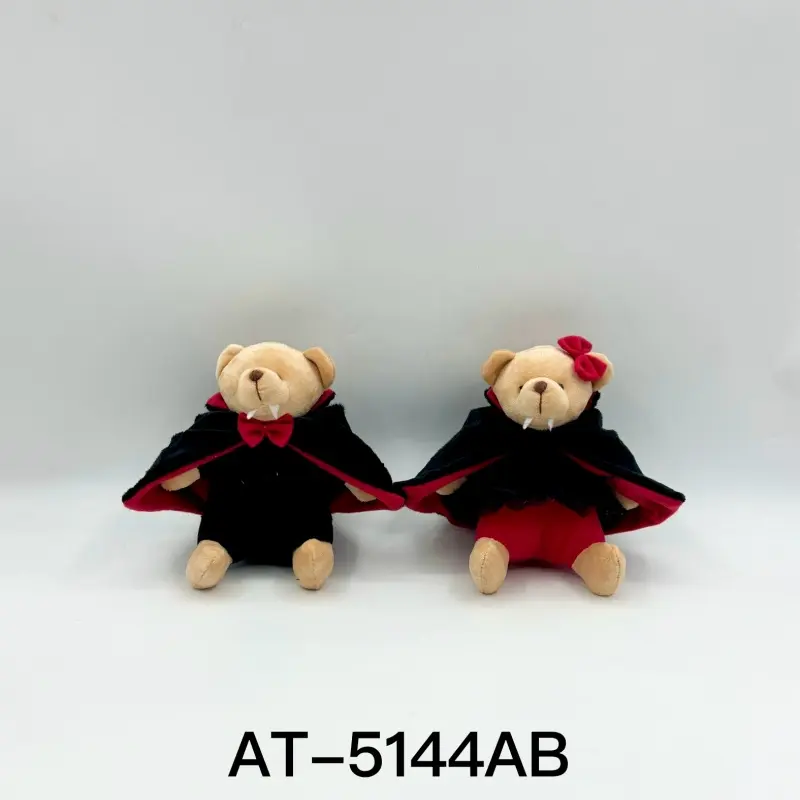
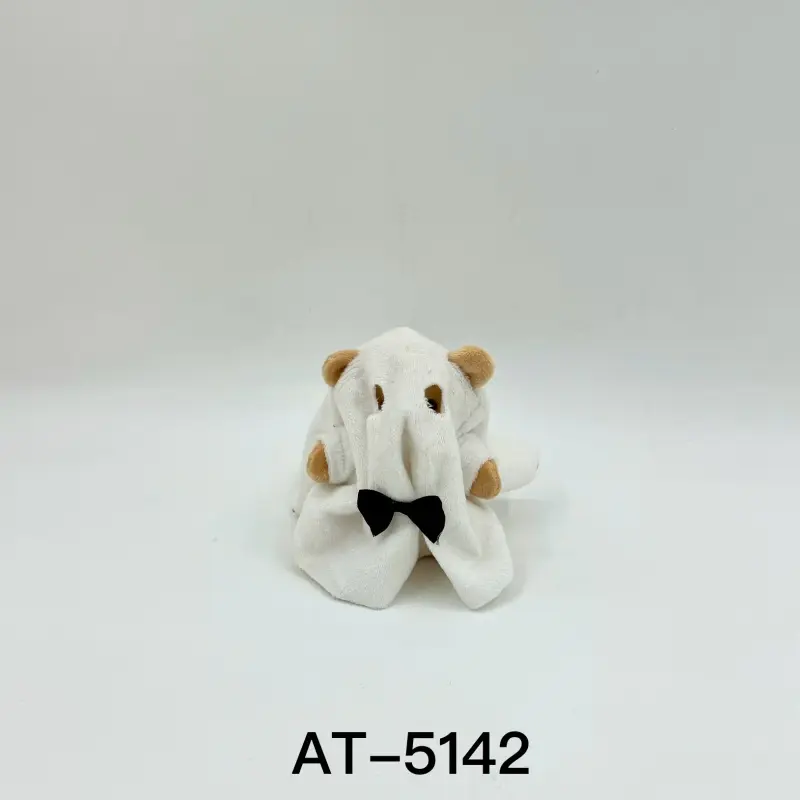
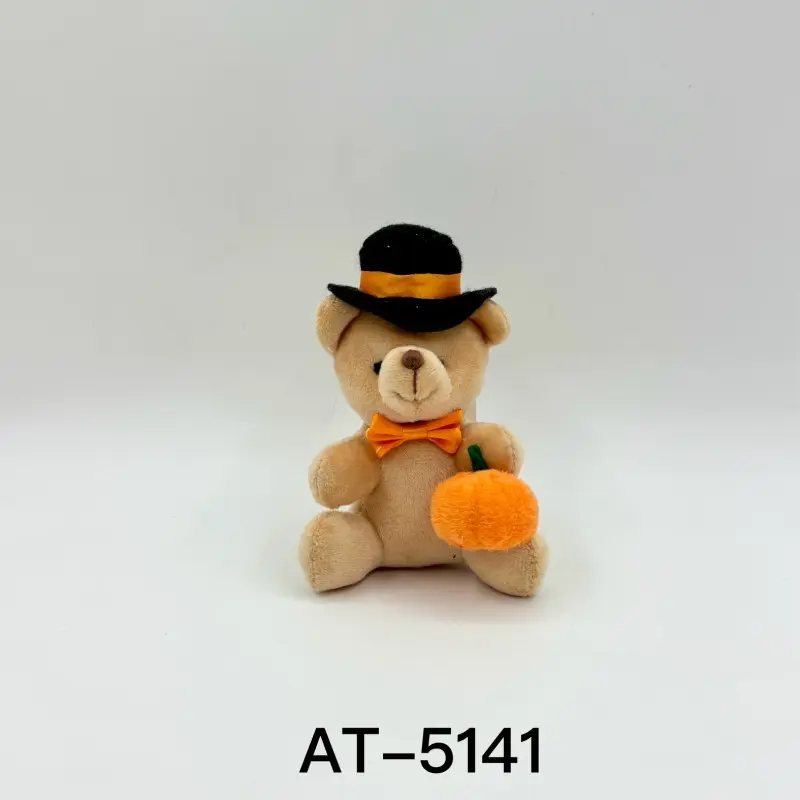
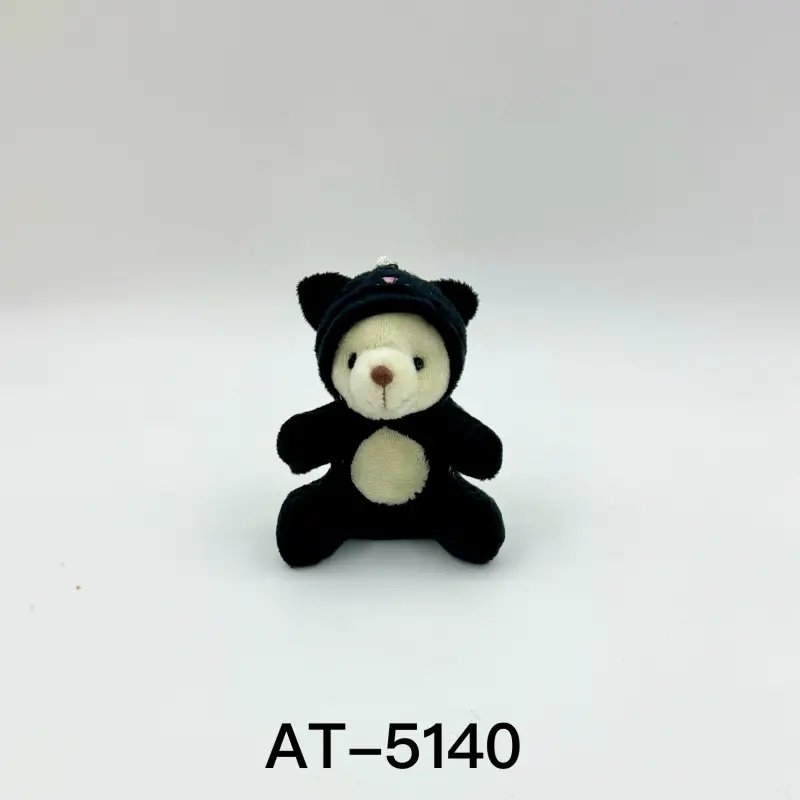
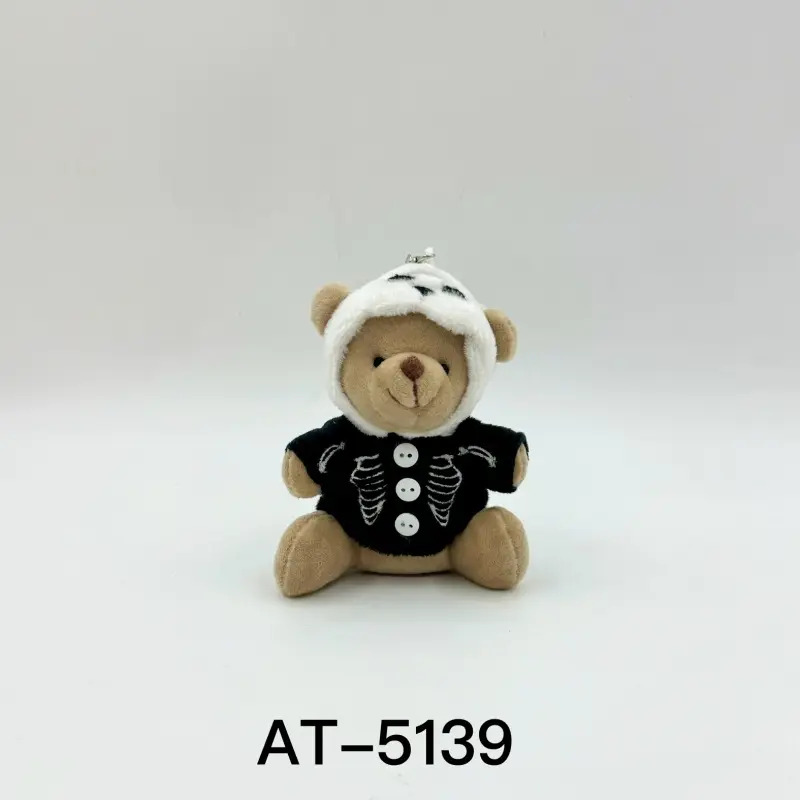
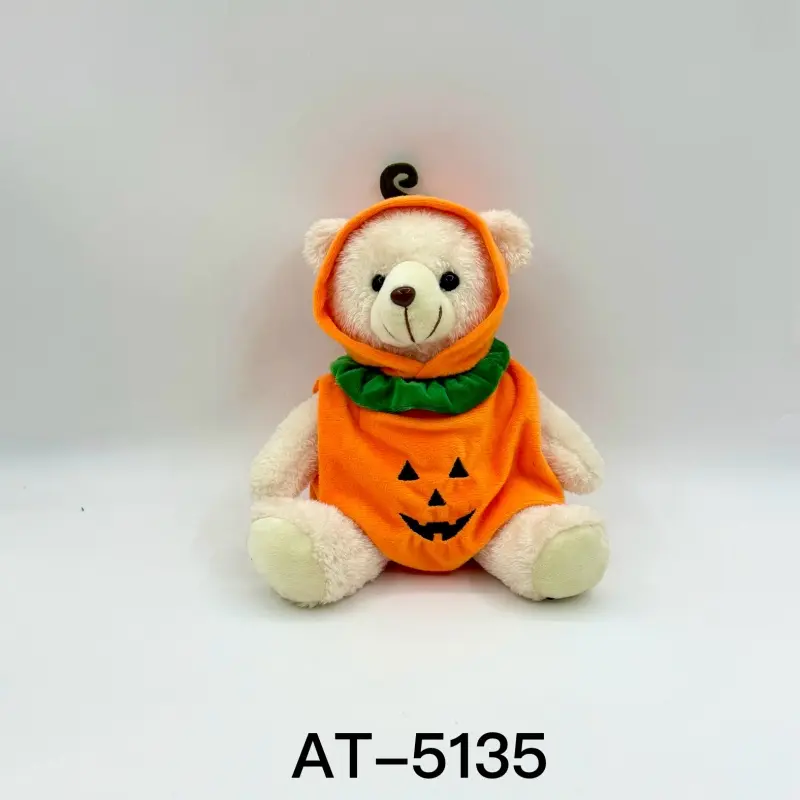
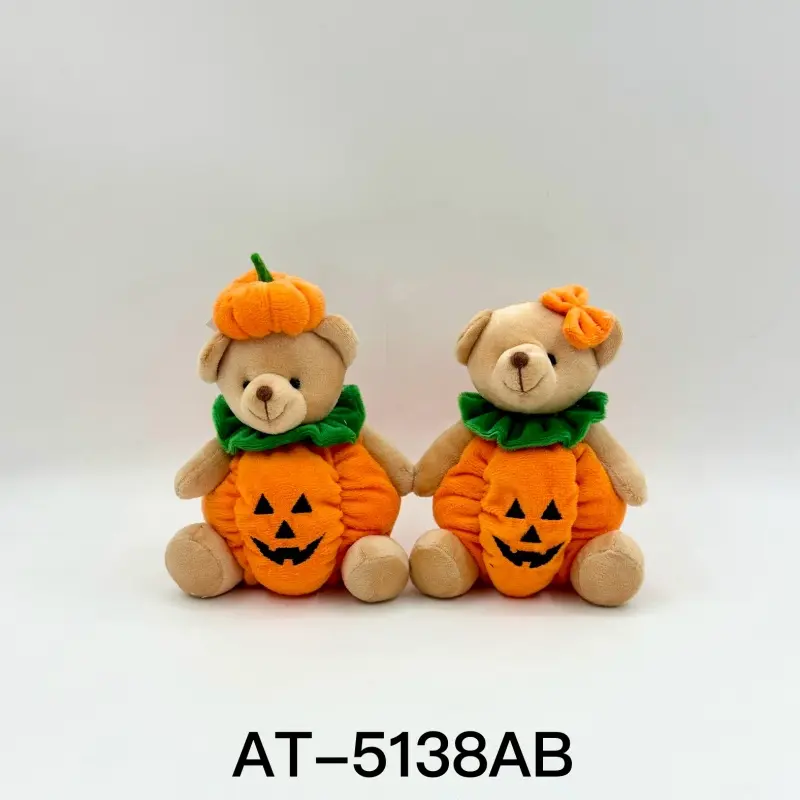
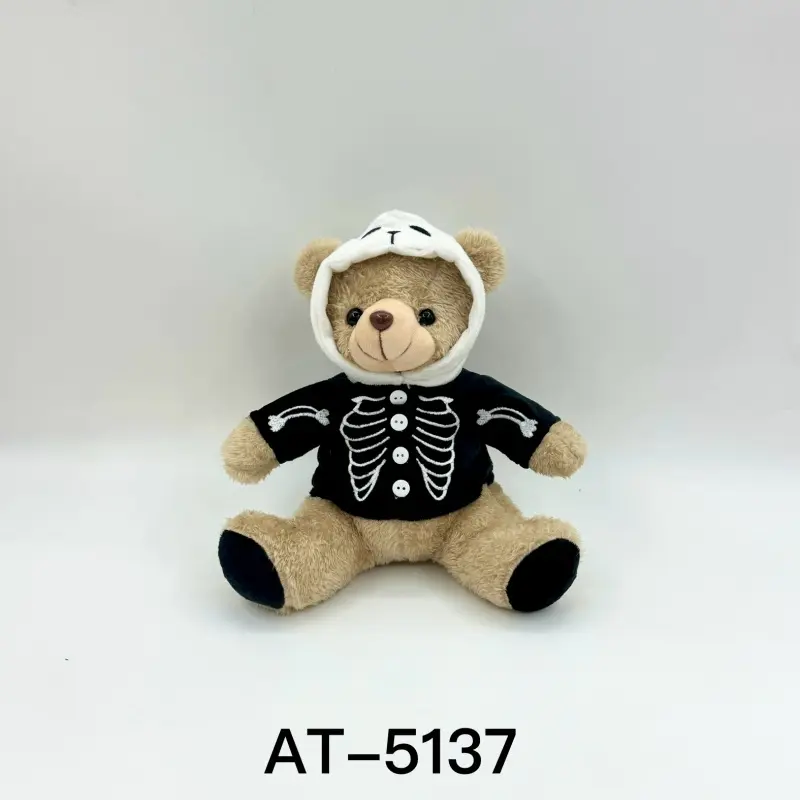
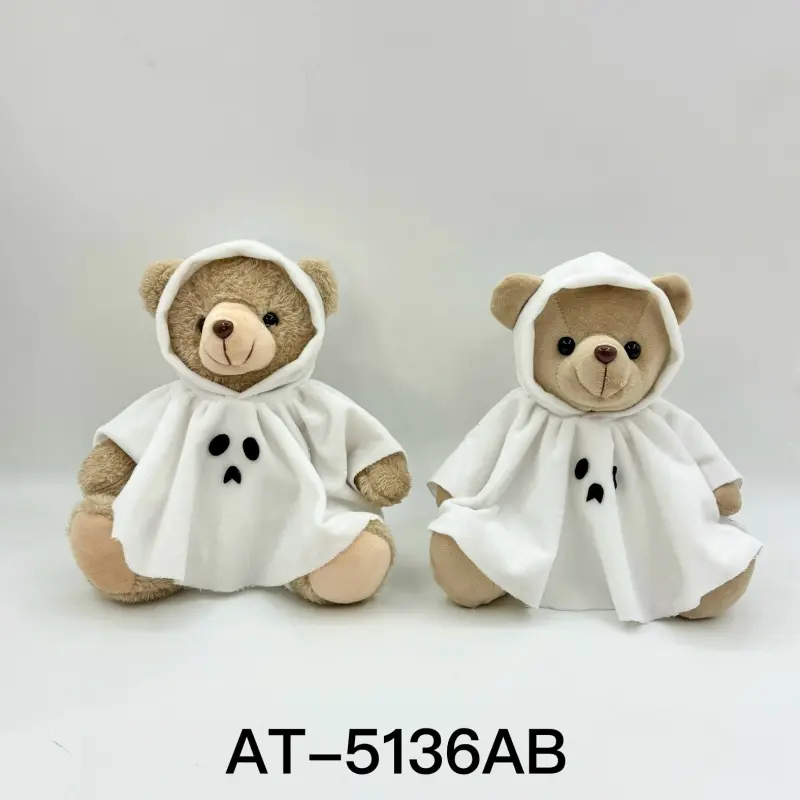
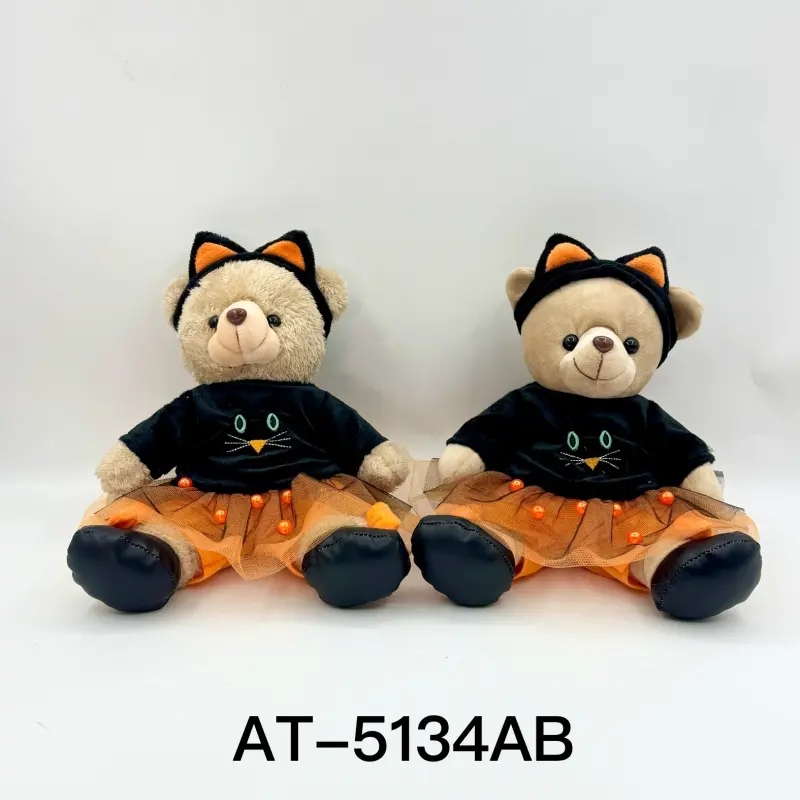
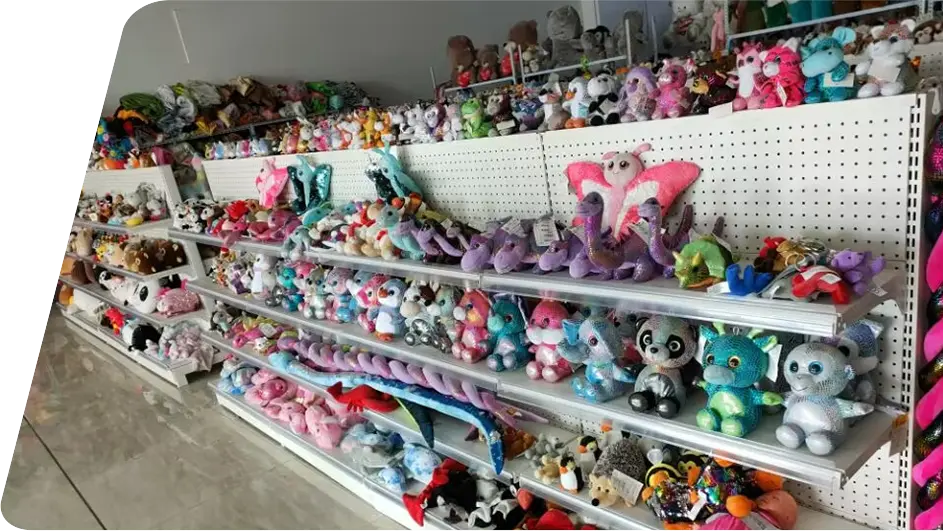
Beyond simulated foliage, our extensive manufacturing lines produce a variety of high-demand consumer goods, plush toys, and holiday decorations, proving our diverse manufacturing capabilities.

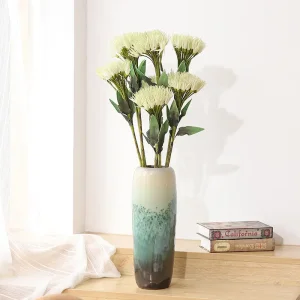
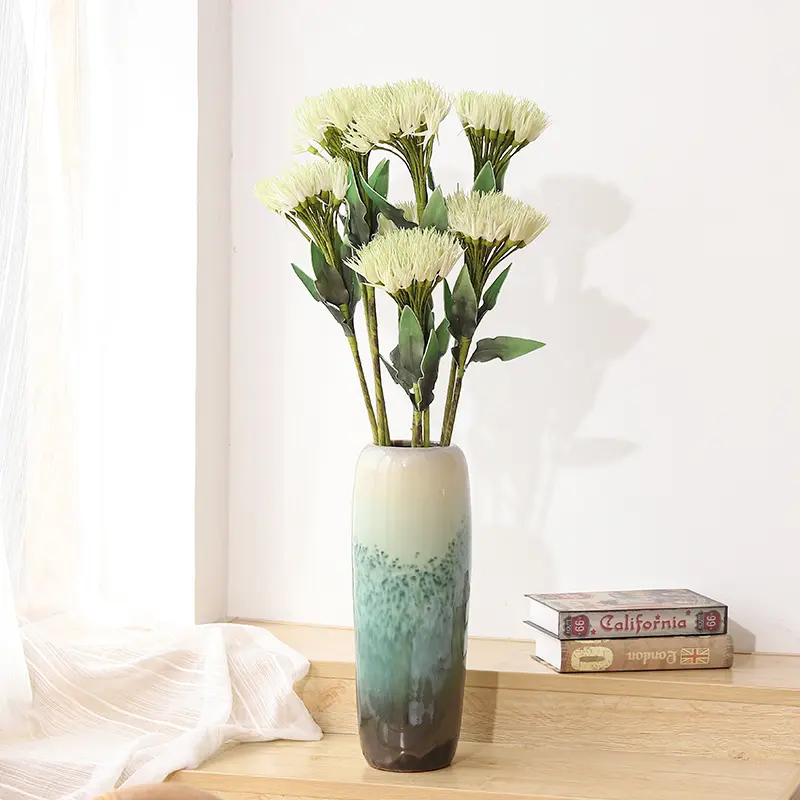
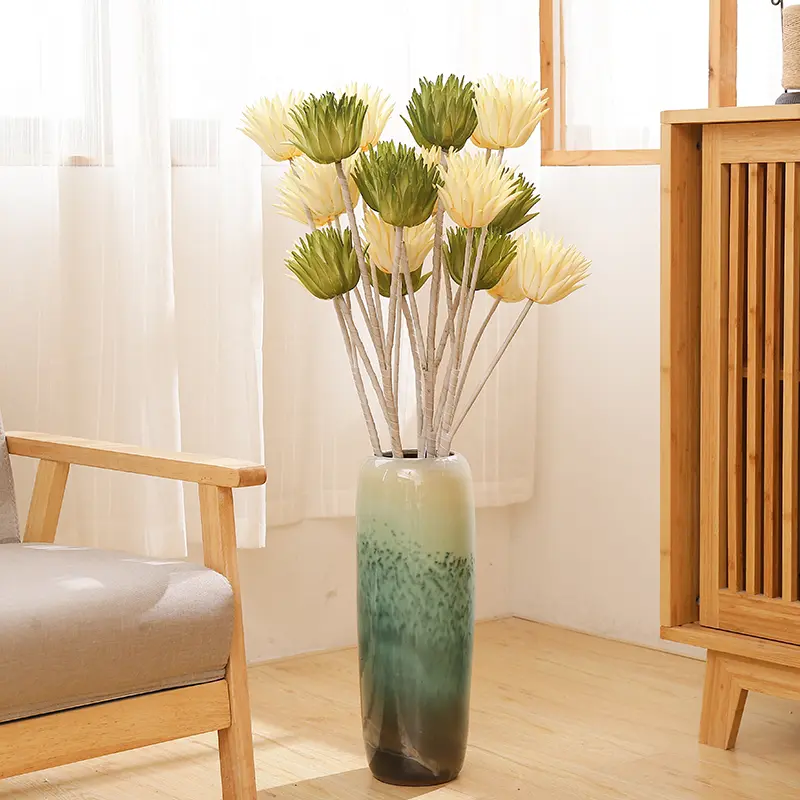
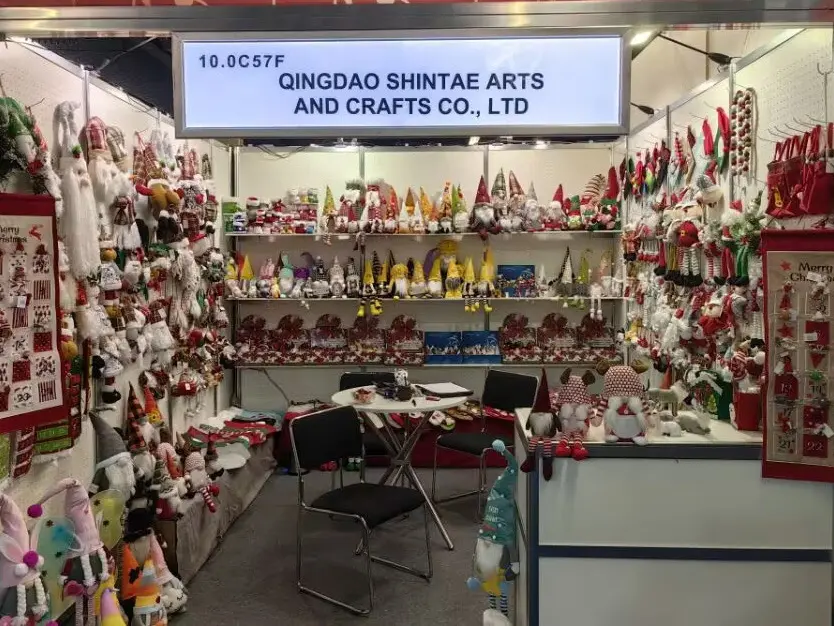
Qingdao Shintae Arts and Crafts Co., Ltd. excels by blending artistic design with industrial-scale production. From initial CAD and clay modeling to final assembly and packaging, we ensure every detail is refined. Our catalog includes custom plush creations, lifelike artificial single-stem flowers, and seasonal holiday decorations, representing versatile, high-end fabrication capabilities.
For international buyers, sourcing Wholesale Fake Hanging Plants Outdoor requires attention to detail. Evaluating artificial plants goes beyond catalog photos; it requires a systematic check of material compositions and performance ratings.
As sustainability regulations tighten globally, the industry is transitioning to bio-based and biodegradable plastics. Leading manufacturers are investing in PLA (Polylactic Acid) and bio-PE blends to create outdoor faux hanging plants that return to the earth without leaving microplastics, offering a circular life cycle.
Modern printing technologies can recreate natural leaf imperfections, seasonal color transitions, and organic growth variations. Using AI-assisted mold designs, factories can produce foliage that matches the complex variations of real plants, removing the artificial uniformity of traditional fake plants.
 Shintae