

In the contemporary landscape of global commercial interior design, hospitality procurement, and large-scale visual merchandising, the demand for high-end biophilic elements has reached an unprecedented peak. Among these elements, wholesale fake orchids that look real have transitioned from basic ornamental options to high-tech, engineered design components. Historically, silk flowers were characterized by frayed edges, unnatural uniform coloring, and rapid degradation under ambient light. Today, through advancements in materials science led by pioneering manufacturers like Qingdao Shintae Arts and Crafts Co., Ltd., we witness the rise of polymers that perfectly mimic the organic, cool touch, micro-texture, and light-refractive properties of natural Orchidaceae.
“Modern commercial spaces do not merely require decoration; they demand scalable, zero-maintenance architectural interventions that preserve brand aesthetic values while conforming to rigorous global safety and environmental metrics.”
As search engines adapt to semantic understanding and real user intent under Google’s Search Quality Rater Guidelines, professionals require detailed technical analysis rather than generic sales copy. This whitepaper analyzes the technology, macro-economic factors, localization setups, and application structures that define high-quality faux orchid manufacturing today.
The global market for artificial foliage and botanical replications has seen steady growth over the past decade. Commercial developers face rising costs related to watering infrastructure, specialized horticultural management, and the recurring replacement cycle of living exotic plants. Natural orchids, while beautiful, are notoriously sensitive to temperature shifts, humidity levels, and artificial indoor lighting. Under typical corporate office or hospitality conditions, a living orchid display remains presentable for only 3 to 6 weeks, requiring constant replacement.
By shifting to wholesale fake orchids that look real, enterprise buyers can amortize procurement costs within a single fiscal quarter. Additionally, these synthetic installations eliminate soil-borne pathogens, allergens, and pesticides—factors critical for healthcare systems, premium wellness centers, and high-traffic public terminals.
From an ecological standpoint, modern synthetic manufacturing leverages sustainable supply chain routes. While plastic production requires raw polymers, the long-term carbon footprint of importing, watering, heating greenhouses, and trucking fresh, short-lived orchids weekly across continents outweighs the lifecycle impact of a single high-quality artificial installation that lasts up to 5 to 7 years in high-traffic commercial environments.
Achieving realistic aesthetics in artificial floristry requires advanced materials science and manufacturing. At Qingdao Shintae Arts and Crafts Co., Ltd., our manufacturing workflow combines materials science with artistic craftsmanship. The technical roadmap below explains the steps involved in producing orchids that look and feel real:
Traditional fabric flowers absorb dust and degrade quickly. Our modern processes use high-molecular-weight Polyurethane (PU) liquid injection molding. This technology captures fine surface detail, replicating the natural structural variation and thickness of a real orchid petal.
Our design team uses 3D scanners to capture organic specimens. The resulting digital molds replicate minor natural variations, uneven petal margins, and exact node positioning, ensuring the final product avoids looking artificially uniform.
Color application uses multi-layered print matrices and hand-applied airbrushing to match natural gradients. After coloration, a UV-absorbent layer is applied, preventing yellowing and fading in indoor spaces with strong natural light.
In addition to the petals, the support wires are encased in flexible, textured synthetic stems. These stems feature accurate node markings and are designed to hold their shape under tension, allowing designers to bend them for custom arrangements.
Different markets have distinct preferences for artificial floral displays. Understanding these regional tendencies is crucial for global trade procurement:
For large-scale commercial imports, quality assurance involves more than just visual appeal. Compliance with national standards is vital for smooth logistics. Our production facilities maintain rigorous quality control checkpoints, from raw material inspection to final packaging checks.
Commercial venues must comply with local fire safety regulations. Our high-end synthetic flowers undergo treatments to achieve NFPA 701, DIN 4102-1 B1, or BS 5867 certifications. This chemical engineering prevents flame spread, allowing them to be safely specified in public spaces and hotel lobbies.
Importing into EU or North American markets requires compliance with environmental regulations. Our production processes exclude heavy metals, formaldehyde, and phthalates, meeting REACH and RoHS standards. Our certifications ensure safety for retail and home environments alike.
Long-distance shipping can subject delicate petals to crushing or folding. We use reinforced inner boxes and custom molded inserts to secure each stem. Stems and flowers are protected to ensure they arrive ready for display without requiring extensive steam reshaping.
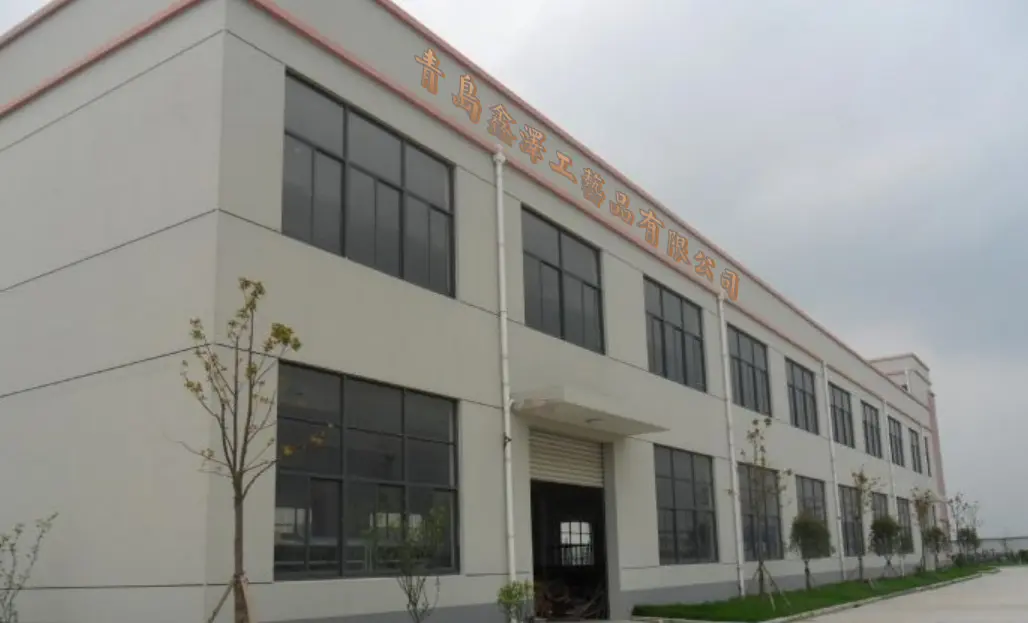
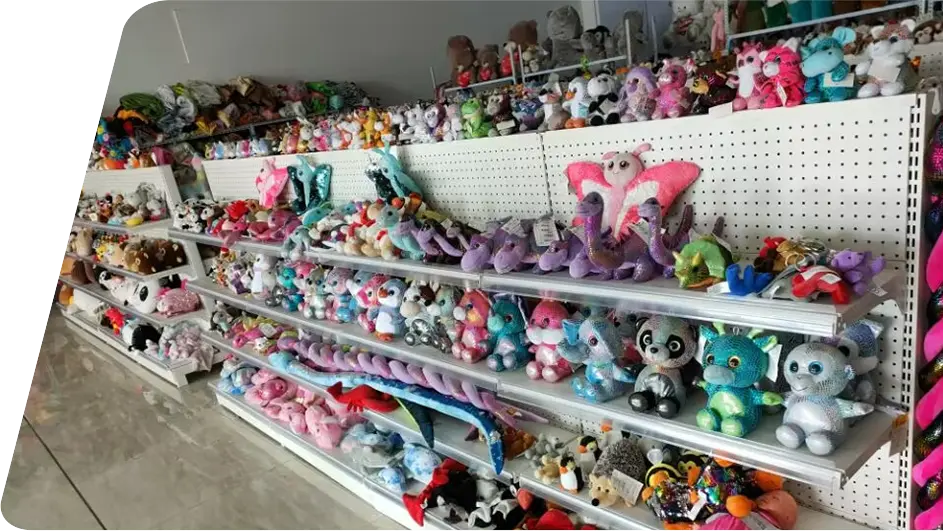
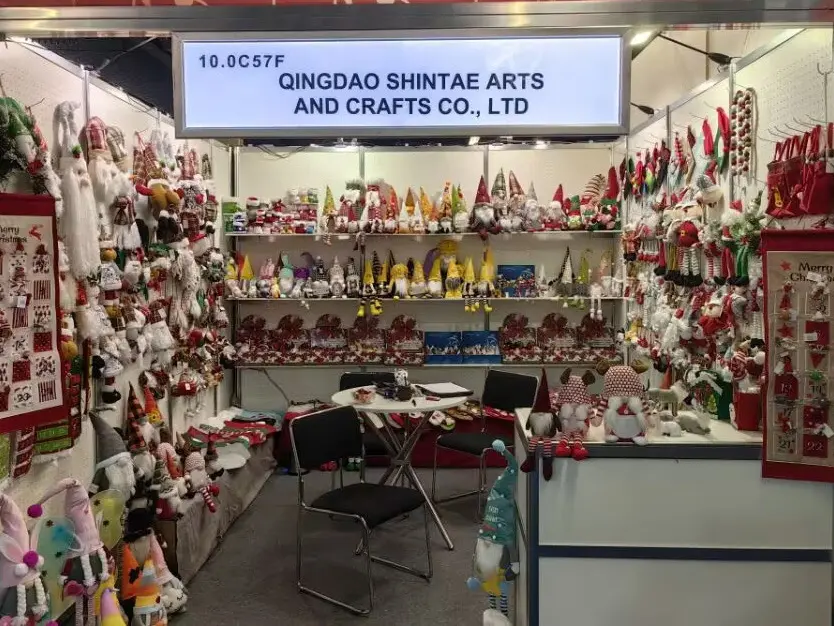
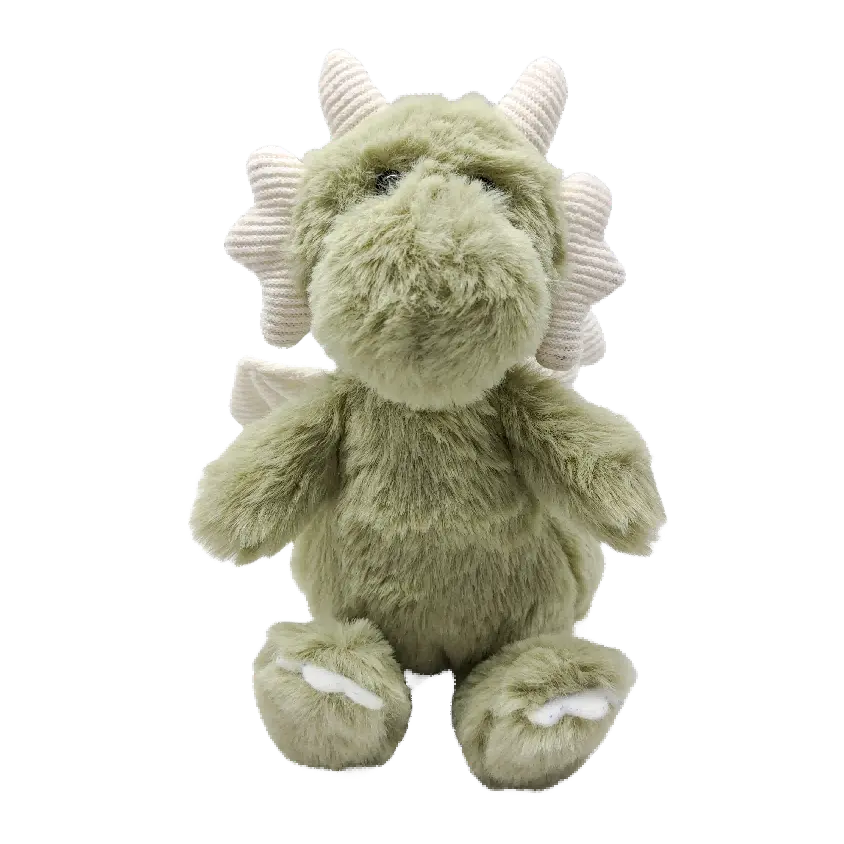
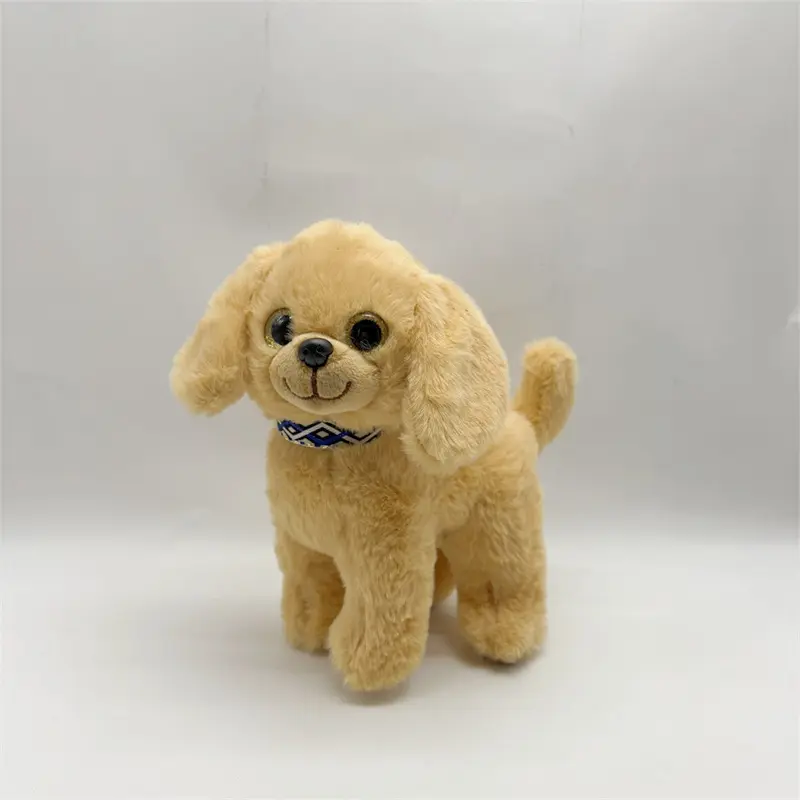
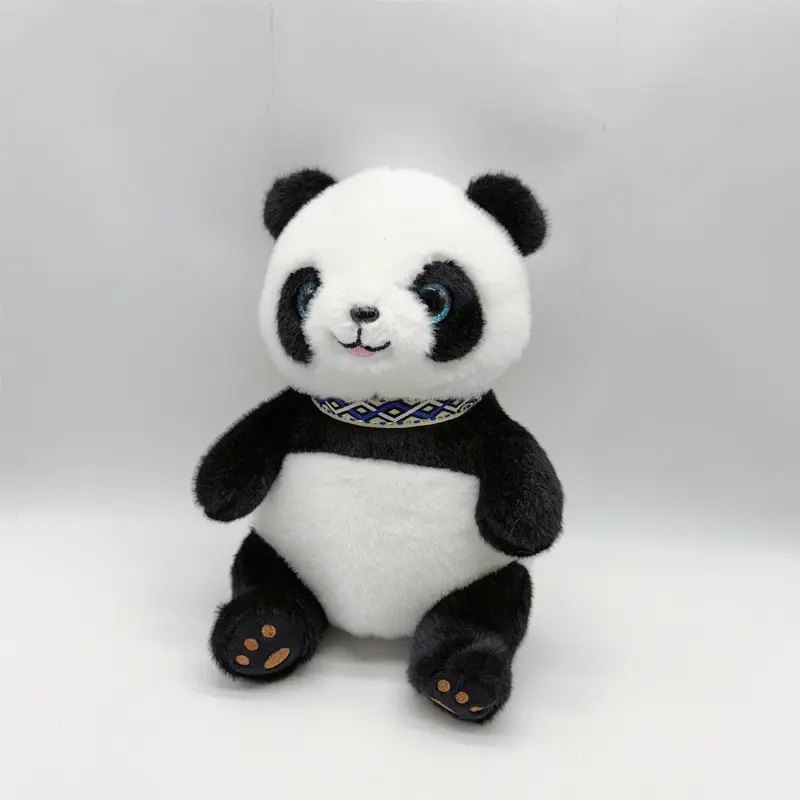
Founded in the coastal city of Qingdao, Qingdao Shintae Arts and Crafts Co., Ltd. has established itself as an innovative manufacturer in the crafts and artificial botanical industry. Specializing in handmade DIY products, plush toys, holiday decorations, and home textiles, we bring artistic aesthetics to everyday life, helping partners provide quality decorative solutions to customers worldwide.
Through material research and a focus on design quality, we help our partners optimize their sourcing. From fabric and fleece to polar wool, wood, glass, and polymers, we select and test materials to ensure safety and performance.
Our designs combine traditional craftsmanship with modern trends to meet the needs of a diverse global market. Our products are exported to over 100 countries, including the United States, Germany, Denmark, and Italy, backed by reliable customer service.





 Shintae