Explore our elite craftsmanship across holiday, plush, and decorative categories engineered for commercial value.
In modern commercial design and landscape engineering, the shift from natural flora to high-performance, weather-hardy outdoor fake flower arrangements represents a major paradigm shift. For facilities managers, commercial developers, and procurement officers, balancing aesthetic quality with long-term cost containment has led to a dramatic increase in the specifying of synthetic botanicals. Real plants require constant irrigation, chemical treatment, pruning, and seasonal replacement. Conversely, high-quality outdoor artificial flowers offer an evergreen, zero-maintenance alternative that maintains visual perfection year-round, regardless of climatic extremes.
However, the outdoor environment is exceptionally harsh on typical polymers and fabrics. Solar ultraviolet (UV) radiation, severe temperature fluctuations, wind-induced shear stress, and moisture exposure will quickly degrade standard indoor artificial plants. Fading, polymer embrittlement, structural fatigue, and discoloration are common failures. This whitepaper analyzes how leading Chinese factories, particularly Qingdao Shintae Arts and Crafts Co., Ltd., employ advanced material science, chemical additives, and refined manufacturing techniques to produce outdoor fake flowers that withstand extreme conditions, delivering a high return on investment (ROI) for global B2B buyers.
The technical distinction between residential craft-grade florals and industrial-grade outdoor botanicals.
During the extrusion of Polyethylene (PE) and Polyurethane (PU), factories infuse UV light stabilizers, primarily Hindered Amine Light Stabilizers (HALS). Unlike cheap topical sprays, HALS offers lifelong resistance by scavenging free radicals generated by photo-oxidation, preserving color vibrancy and structural flexibility.
High-grade outdoor flowers utilize non-hygroscopic polymers like cross-linked EVA (Ethylene-Vinyl Acetate) foam and coated polyester. These materials do not absorb moisture, eliminating risk of mold, mildew, or rot in humid, rainy, or marine environments.
To withstand wind loads, stems are reinforced with high-tensile, galvanized spring-steel cores. The core is encapsulated in thick, co-extruded elastomers that prevent rust and moisture intrusion while allowing the plant to bend and recover naturally.
Based in the coastal city of Qingdao, Qingdao Shintae Arts and Crafts Co., Ltd. has built a reputation in the international crafts industry through superior manufacturing techniques and innovative designs. We specialize in handmade DIY products, plush toys, holiday decorations, home textiles, and high-quality artificial flowers. By combining artistic aesthetics with industrial durability, we help B2B buyers access safe, reliable, and visually stunning products.
Exporting to over 100 countries—including the United States, Germany, Denmark, Italy, and more—our competitive pricing and robust quality control make us a trusted partner for wholesalers, importers, and commercial developers worldwide. We emphasize continuous R&D, introducing fresh designs each season to ensure our clients have access to the latest trends in polymer science, fabric design, and festive decor.
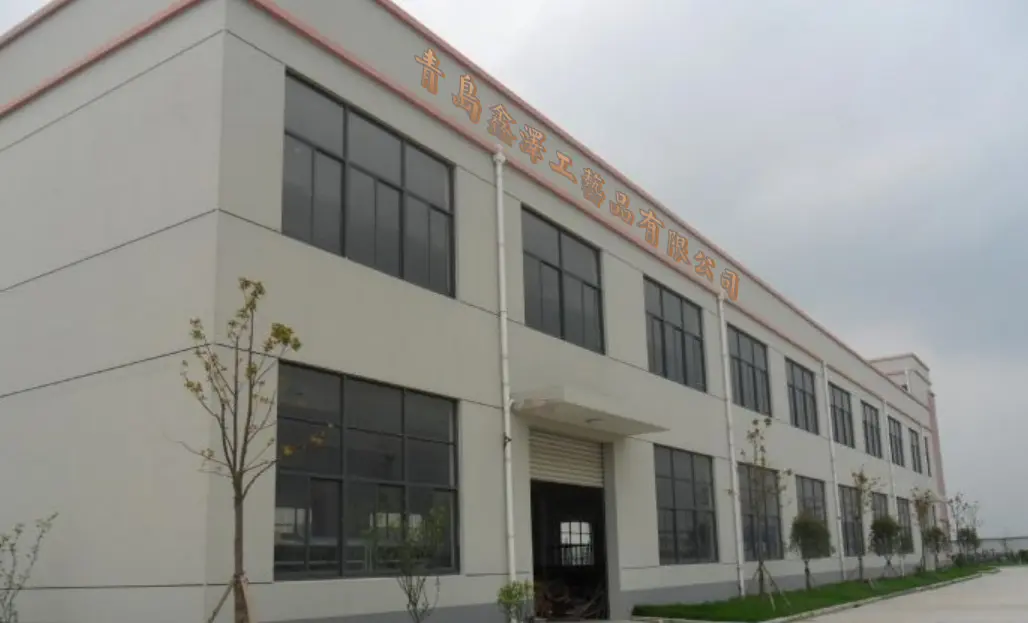
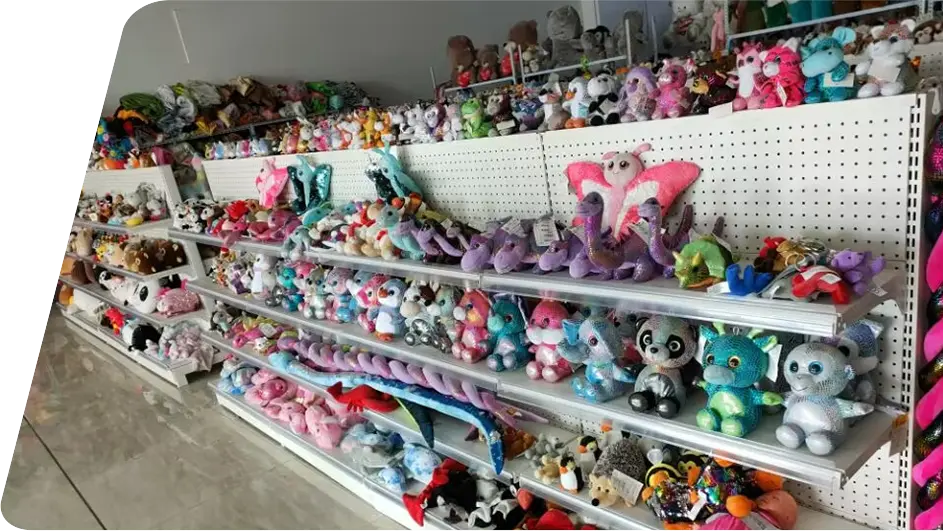
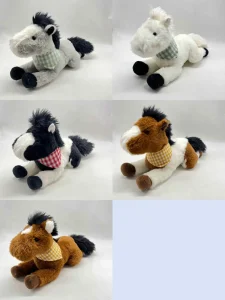
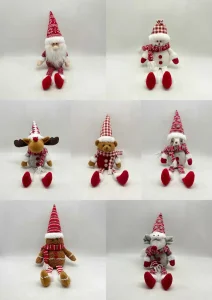
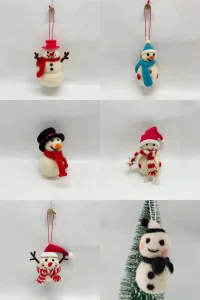
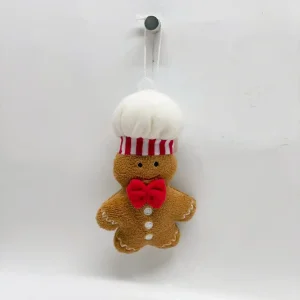
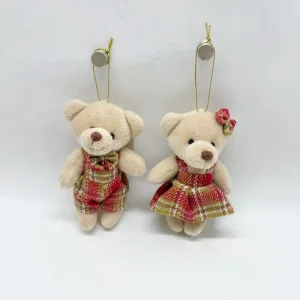
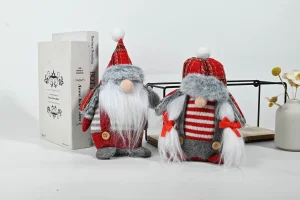
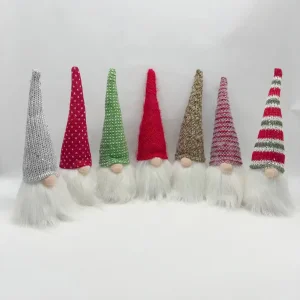
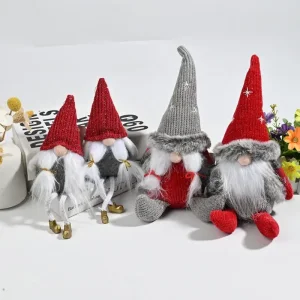
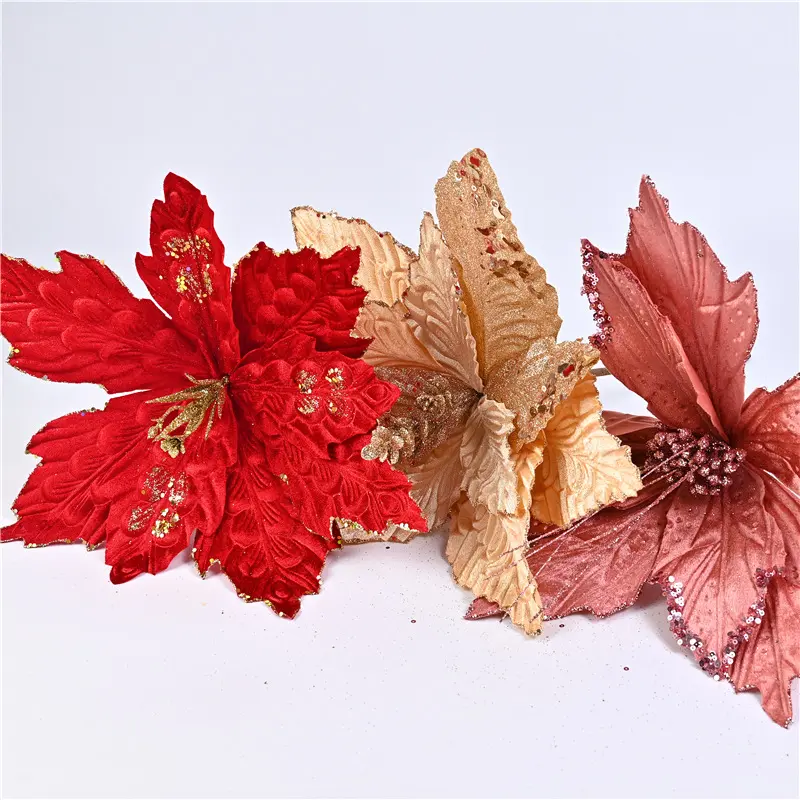
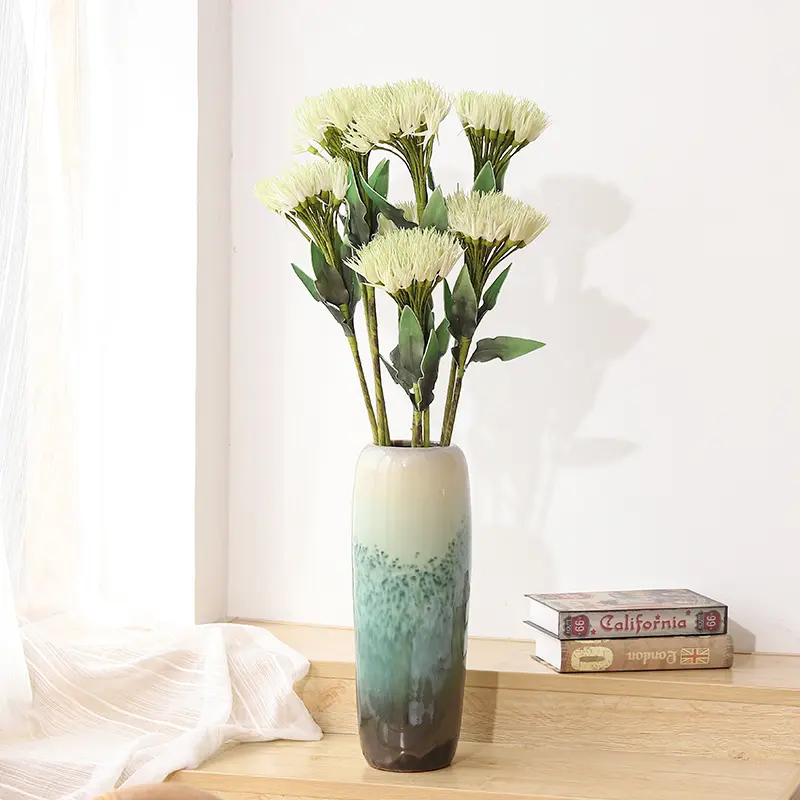
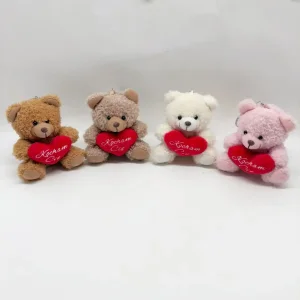
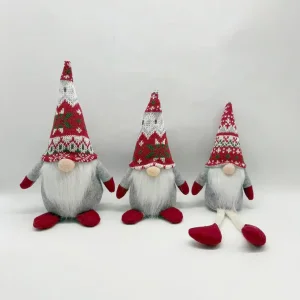
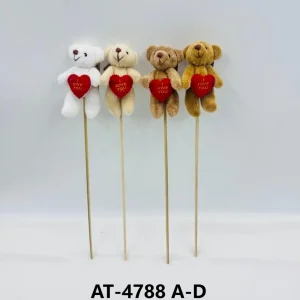
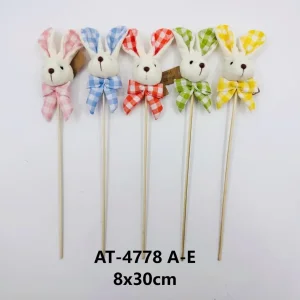
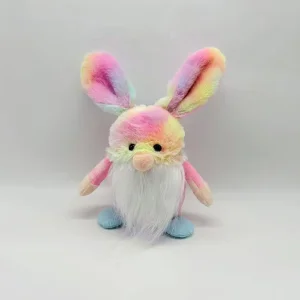
A cross-section of Shintae's manufacturing capabilities across high-end artificial flowers, plush collections, and holiday displays.
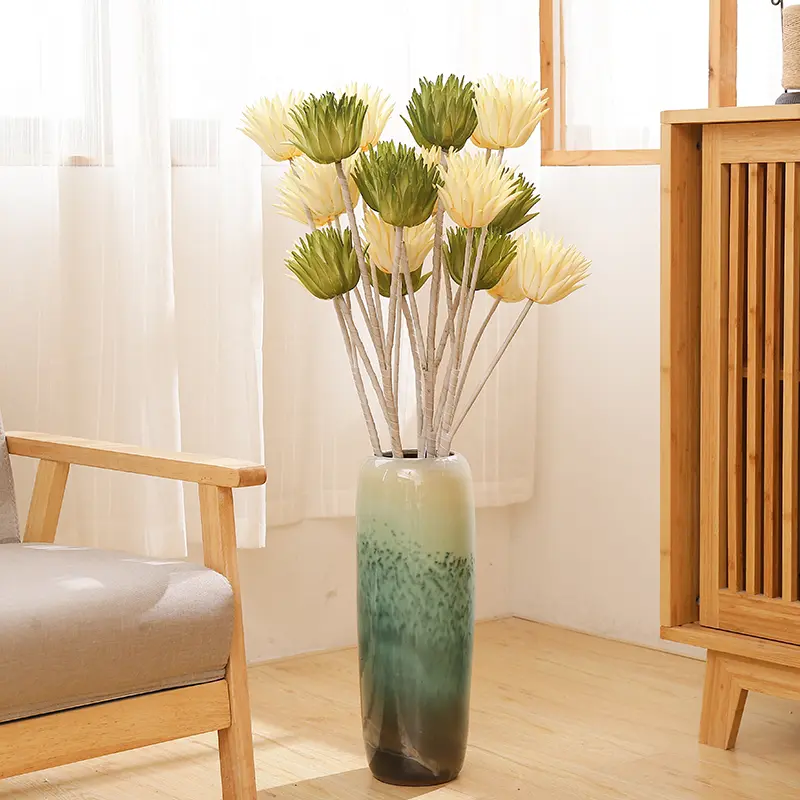
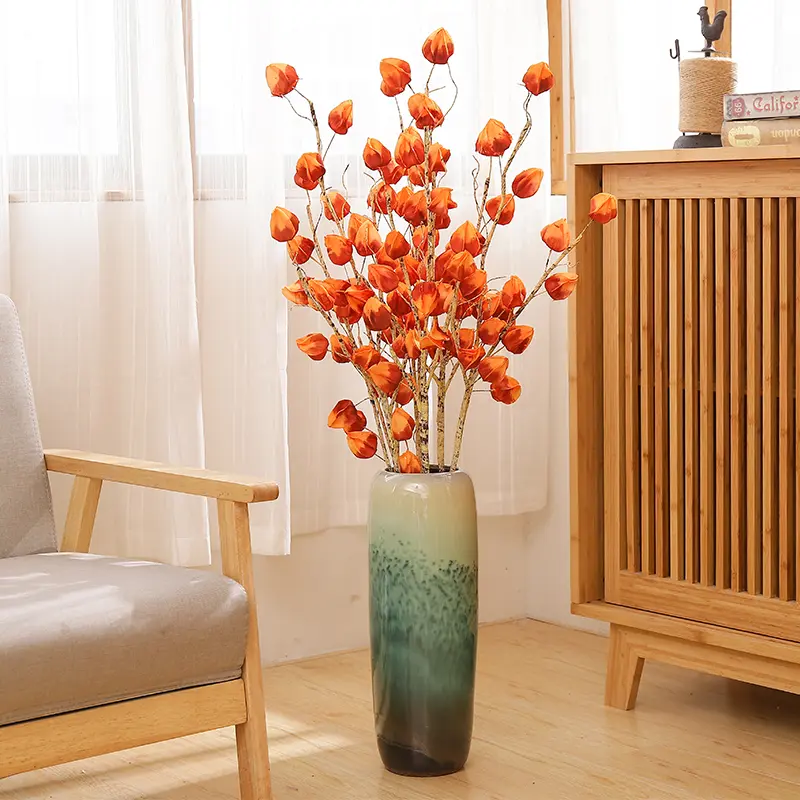
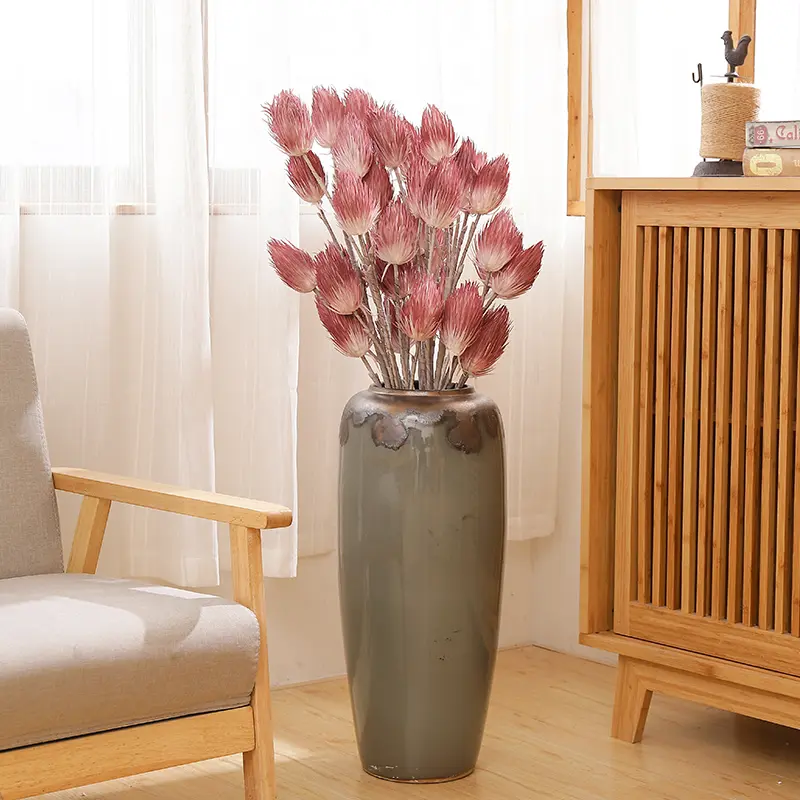
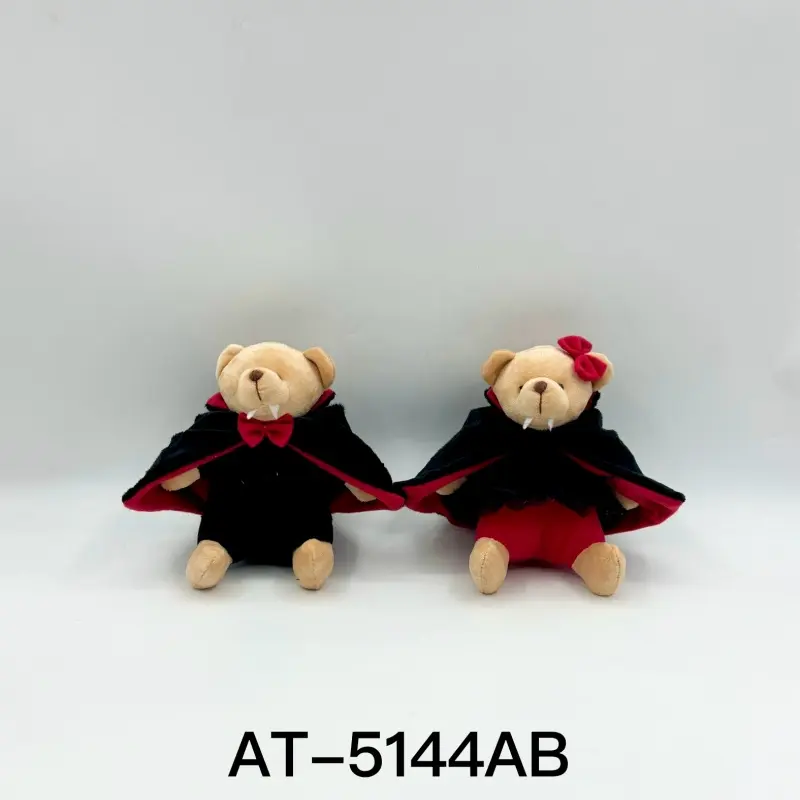
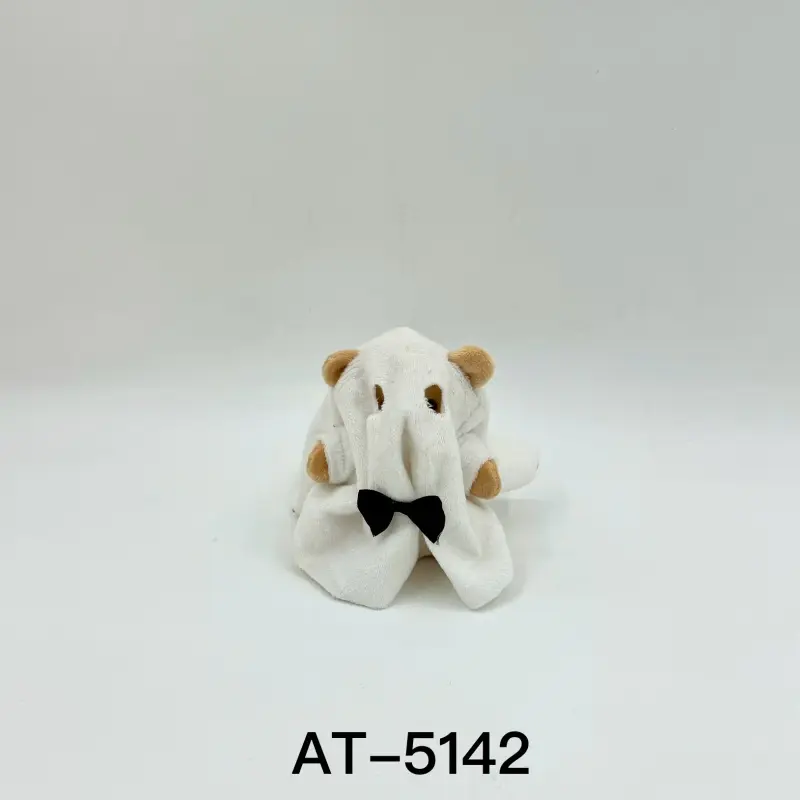
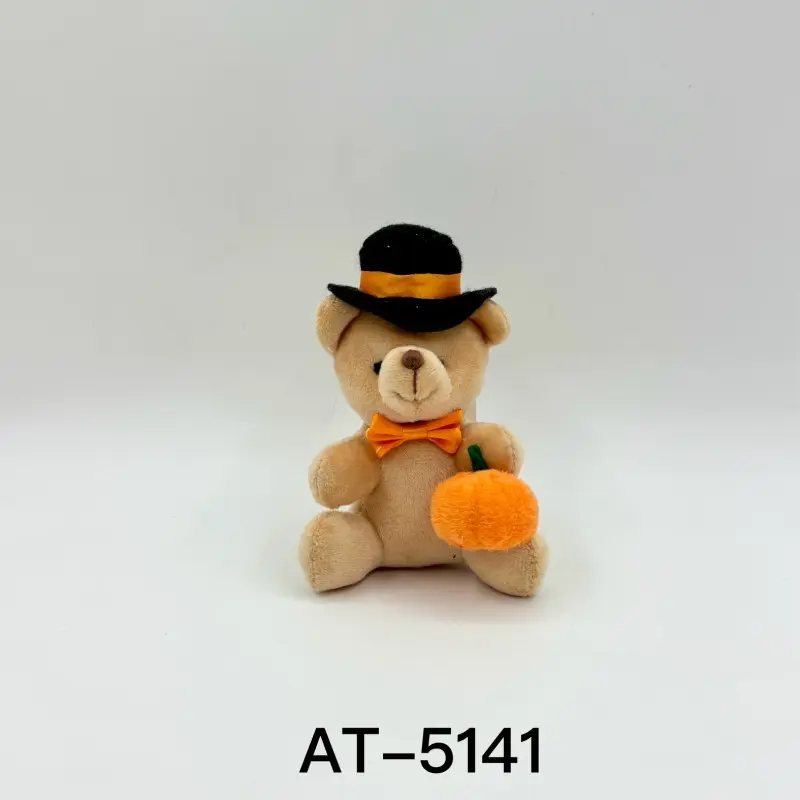
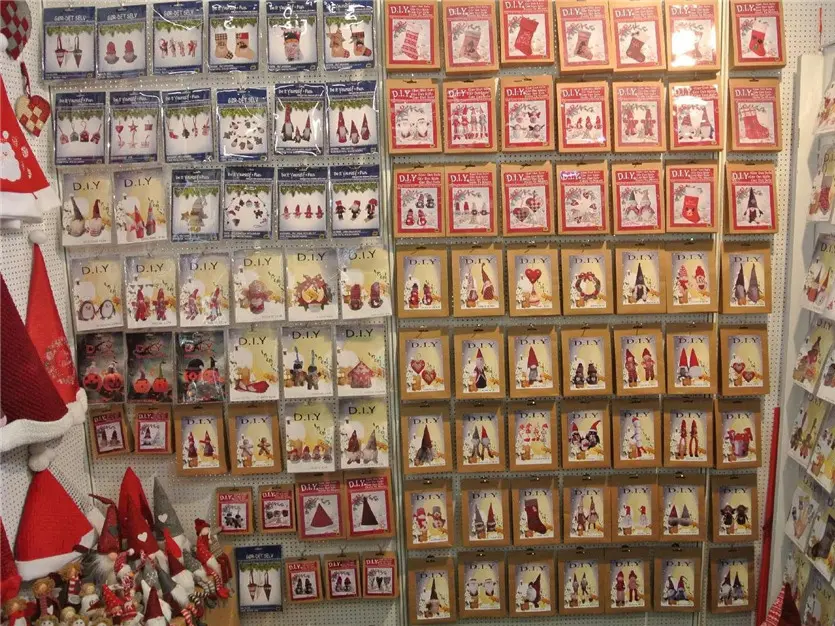
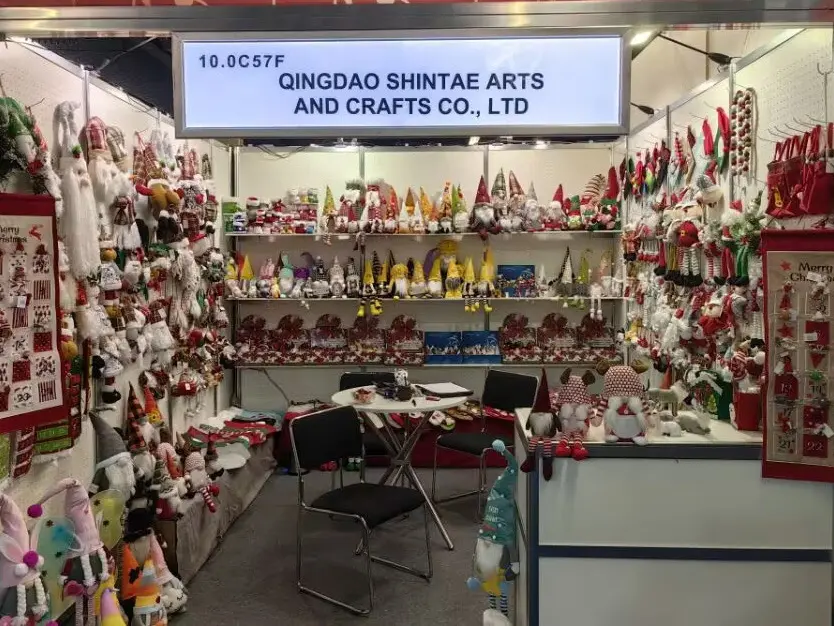
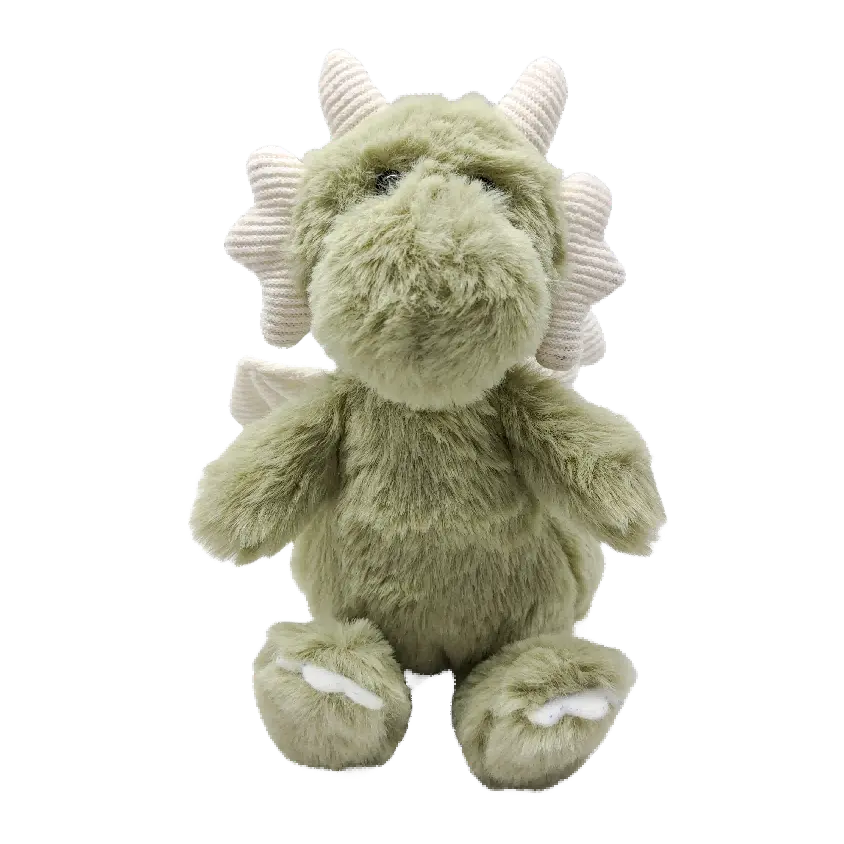
Purchasing wholesale outdoor fake flower arrangements from Chinese factories offers several strategic benefits for global B2B buyers. The first key advantage is industrial clustering. In manufacturing regions like Shandong and Guangdong, factories operate within a mature ecosystem of raw material suppliers, tooling workshops, master artisans, and logistics providers. This proximity streamlines supply chains, allowing factories to source polymers, stabilizers, metal cores, and packing materials locally. As a result, lead times are shorter and customization options are broader compared to other regions.
The second advantage lies in technological scale and cost-efficiency. Chinese manufacturers use high-capacity injection molding, automated fabric pressing, and precision dyeing systems. These automated processes lower unit costs while maintaining consistent quality. A global retail chain or hospitality developer can source custom-molded, UV-stabilized arrangements at a lower cost than local manufacturers, without sacrificing quality. Additionally, Chinese factories provide comprehensive OEM/ODM services, transforming CAD designs or physical mockups into container-ready products.
Urban microclimates generate heat islands that stress real plants. Large-scale outdoor artificial floral arrangements provide consistent greenery on concrete terraces, walkways, and exterior walls. These systems endure exhaust fumes, intense sunlight, and heavy wind loads while requiring zero municipal water allocation.
For luxury hotels and cruise ships, wind-borne salt and chlorinated pool water can damage live plants. Custom UV-protected fake palm fronds, bougainvillea runs, and floral installations maintain their color against sea salt, sun, and chlorine, helping brands maintain their premium aesthetic.
Theme parks and lifestyle centers require consistent visual storytelling. Custom-engineered artificial flora allows designers to create fantasy landscapes, seasonal displays, and themed foliage that remain vibrant through millions of visitor touchpoints, avoiding the costs and downtime of plant replacement.
Sourcing large quantities of outdoor artificial flowers requires a structured quality assurance (QA) framework. Enterprise buyers must verify that products comply with international environmental and safety standards. At Qingdao Shintae, our production processes align with REACH, RoHS, EN71, and ASTM standards. We test all raw materials for lead, cadmium, phthalates, and other restricted chemicals to ensure they are safe for public spaces.
To verify outdoor durability, we conduct accelerated aging tests in environmental chambers. Using the ASTM G154 standard, we expose product samples to cycles of intense UV-B radiation and moisture condensation. This process simulates years of outdoor exposure in a fraction of the time, allowing us to evaluate dye stability and polymer degradation. Importers should request these lab reports before placing volume orders to ensure the products will perform well in the field.
Essential technical answers for B2B procurement managers, landscape architects, and global distributors.
Outdoor-rated fake flowers require built-in UV stabilizers (like HALS) mixed directly into the polymer before molding. They also use hydrophobic fabrics or plastics (such as PE and EVA foam) and rust-resistant, galvanized steel wire cores to prevent water absorption and structural failure.
Lifespan depends on local UV levels and weather conditions. High-quality outdoor arrangements generally maintain their color and integrity for 3 to 5 years in high-sun environments, and up to 8 years in shaded or mild climates.
Yes. Quality outdoor arrangements feature spring-steel wire cores wrapped in flexible elastomers. This construction allows the stems to bend under wind loads without snapping. Additionally, the polymers remain flexible at sub-zero temperatures, preventing cracking or peeling during winter.
We source raw materials that comply with international safety regulations, including REACH, RoHS, and EN71. Our factory conducts regular testing to confirm that our plastics, dyes, and structural elements are free of heavy metals and hazardous phthalates, making them safe for public and commercial spaces.
MOQ varies by material and design complexity. Standard molded PE flowers usually require an MOQ of 1,000 units per color, while larger, custom-assembled arrangements may have lower MOQs. Contact our B2B team to discuss your specific project needs.
From seasonal holiday ornaments to plush designs, explore our full manufacturing range.
 Shintae