Expertly curated EVA and PE foam artificial flowers designed for Osaka's demanding commercial visual merchandising and events
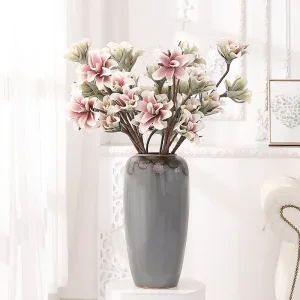
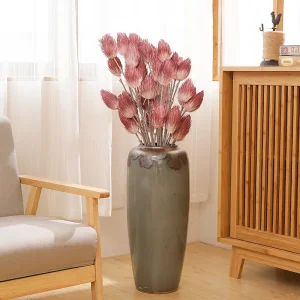
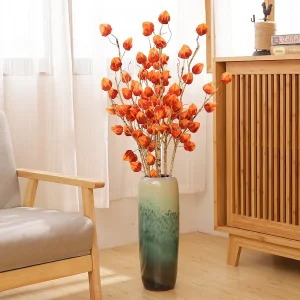
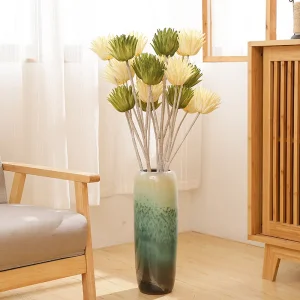
Osaka, the economic engine of Western Japan and the historical merchant capital, is undergoing a profound structural shift in retail, hospitality, and corporate visual design. As projects scale across major commercial hubs like Umeda, Shinsaibashi, and Namba, architects and spatial designers are increasingly abandoning high-maintenance natural vegetation in favor of engineered, high-fidelity synthetic botanicals. This shift is not merely aesthetic; it is driven by complex cost-benefit realities, structural load requirements in high-rise developments, and the stringent environmental and safety compliance codes unique to Japan.
With the upcoming Kansai-Osaka Expo, the region is seeing massive infrastructural and architectural upgrades. Hotels, multi-tenant commercial centers, and public transport complexes are seeking "Information Gain" through innovative interior biophilic design. Sourcing directly from an established artificial flowers factory capable of catering to Osaka's demanding quality gates allows Kansai procurement officers to acquire custom, flame-retardant, and highly realistic botanicals at direct factory pricing.
In modern retail environments such as Shinsaibashi's luxury department stores or Umeda's subterranean commercial malls, the atmospheric environment is highly controlled. Air conditioning and artificial lighting create dry, low-sunlight habitats where natural plants struggle to survive without high irrigation costs, chemical treatments, and continuous maintenance. Furthermore, soil-borne pathogens and moisture ingress present severe hazards to structural foundations and historical displays.
By implementing advanced materials like Ethylene-Vinyl Acetate (EVA) and Cross-linked Polyethylene (PE) foams, designers can craft complex botanical installations that retain their color, tactile texture, and mechanical integrity for years. These high-performance materials are resistant to fading under intense visual display lighting and can be treated with localized fire retardants to conform to Japan's strict disaster prevention standards.
Qingdao Shintae Arts and Crafts Co., Ltd. builds its industrial capability on technical material innovation. Unlike generic polyester-silk flowers that easily fray, collect dust, and suffer from dye bleeding, our manufacturing units leverage hybrid formulations. We utilize high-grade EVA foam, polar wool, fleece, and advanced polyurethanes to synthesize textures that are indistinguishable from natural plant cells upon tactile contact (Real Touch Technology).
Ethylene-Vinyl Acetate (EVA) provides a rubber-like flexibility, excellent chemical stability, and UV-degradation resistance. Perfect for high-exposure window setups across Osaka's shopping districts, keeping petals supple and natural-looking.
Our PE leaves and stems are engineered for structural integrity, allowing large-scale vertical gardens and heavy visual arrays to support their own weight without drooping or structural deformation.
During the polymerization stage, we can infuse non-halogenated flame retardants directly into the material matrix, ensuring uniform protection that won't wear off, meeting Osaka municipal commercial build standards.
For Osaka-based commercial buyers, the proximity of Qingdao, China provides a massive logistical advantage. Operating as a premier manufacturing hub, Qingdao Shintae Arts and Crafts Co., Ltd. sits at the center of northern China’s most advanced shipping lanes. Cargo shipped from the Port of Qingdao reaches the Port of Osaka (Chiko and Nanko areas) in as little as 3 to 5 days, minimizing warehousing costs and allowing for real-time inventory adjustments.
By sourcing directly from our factory, Japanese wholesale importers bypass complex layers of domestic trading firms (shosha), capturing a direct saving of 25% to 40% on bulk orders. This cost reduction enables local Osaka event organizers, hotels, and retail brands to allocate more resources toward creative installations and local marketing while maintaining healthy margins.
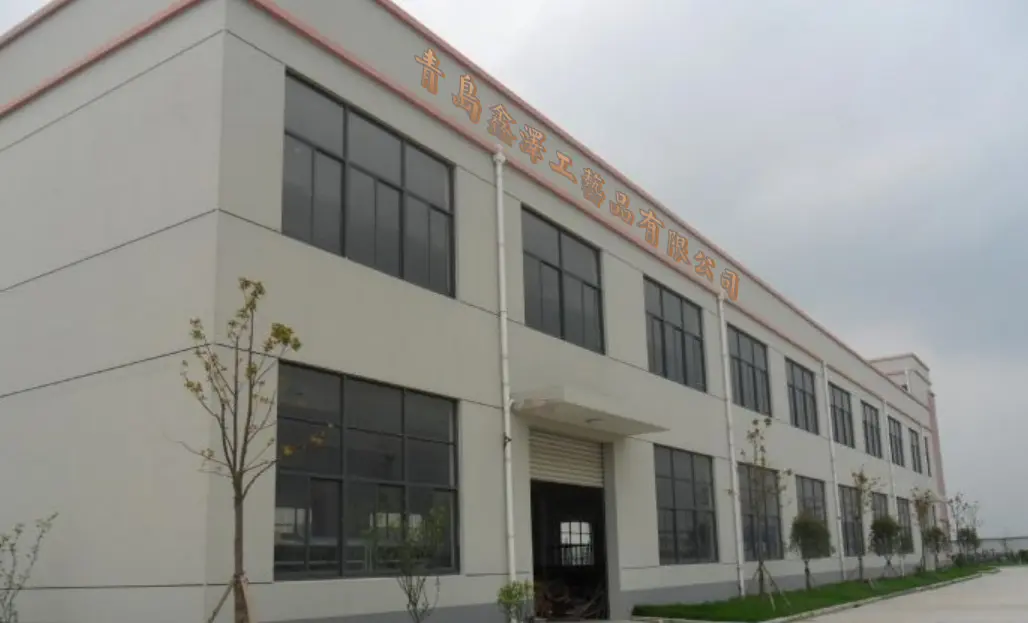
Founded in the coastal manufacturing hub of Qingdao, Qingdao Shintae Arts and Crafts Co., Ltd. has established itself as an international benchmark in hand-crafted design, seasonal decor, plush toy production, and high-fidelity artificial botany. Driven by a vision of "Pioneering the Art of Exquisite Living," our business framework operates at the intersection of traditional human craftsmanship and modern, automated supply chain management.
Our manufacturing facilities occupy a significant footprint, featuring clean-room assembly lines, advanced thermoforming machinery for polymer petals, and specialized color-tinting chambers. We ensure our materials—ranging from dense foam polymers, high-pile wool, wood, glass, to ecological cottons—remain entirely safe, environmentally stable, and resilient over multi-year cycles. This dual commitment to environmental integrity and technical reliability is why retail giants in Osaka and greater Japan trust our product output.
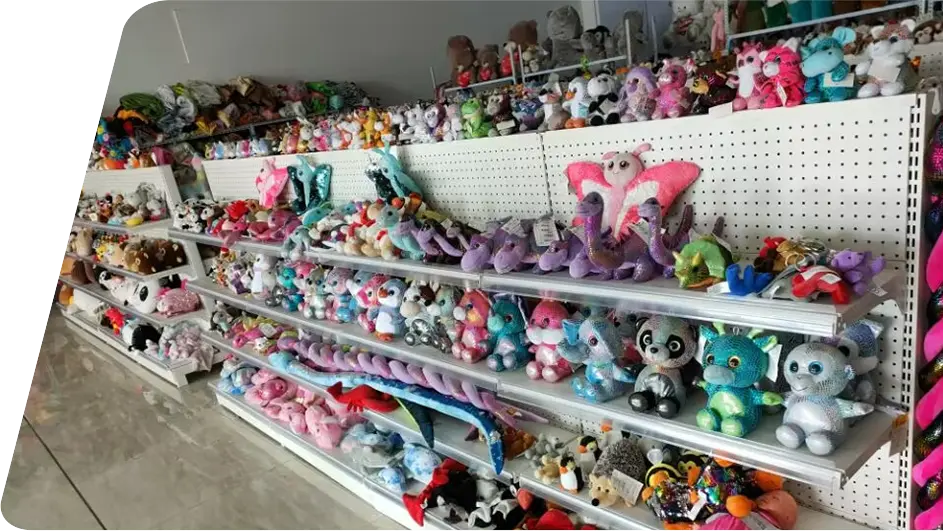
Exporting to Japan requires deep understanding of domestic product safety and commercial installation codes. When shipping artificial plants to Osaka, all items must adhere to specific customs protocols and environmental expectations. Our compliance framework is meticulously designed to meet these exact requirements, giving our business partners peace of mind during transit and installation.
1. Fire Prevention Law Compliance (消防法): Large-scale installations inside public spaces, hotels, and subterranean retail areas in Osaka are strictly required to use flame-retardant materials. We supply test certificates demonstrating that our customized formulations slow down combustion speeds and restrict smoke emissions, adhering to JFRA standards.
2. Chemical Safety & Allergen Prevention: Our artificial materials contain zero heavy-metal colorants or volatile plasticizers. Unlike low-cost factories that use unrefined recycled polymers, we run strict raw-material batching checks to guarantee that our EVA and PE leaves do not emit chemical odors or trigger contact skin allergies in public spaces.
3. Physical Durability & Shipping Stability: The marine voyage across the East China Sea involves high humidity and variable thermal levels. We utilize custom moisture-barrier, heavy-ply double-corrugated cartons to pack our floral elements, ensuring that even delicate structures reach Osaka ports in pristine condition, completely free from mold or compression damage.
Explore our highly integrated catalog of seasonal decorations, high-end simulated flowers, and creative plush lines for import
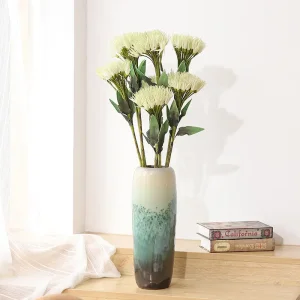
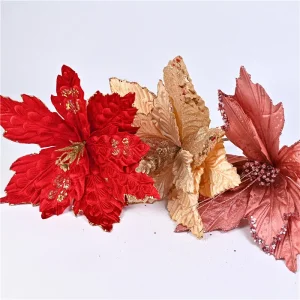

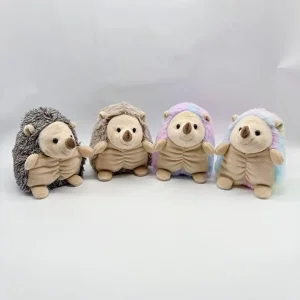
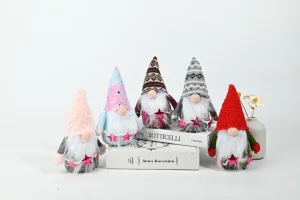

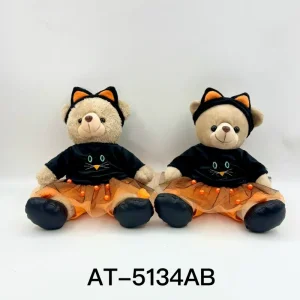
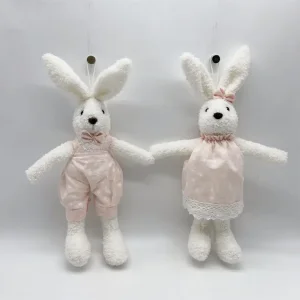
At Qingdao Shintae, we believe industrial success is built on reliable distribution and transparent business relationships. Our products are exported to over 100 countries, including the United States, Germany, Denmark, Italy, and Japan. Our manufacturing facility handles the complexities of international trade, providing highly competitive pricing that delivers exceptional margin value to bulk importers.
Our regional supply system for Osaka relies on deep integration with local customs brokers, reliable sea freight lines, and precise cargo scheduling. This strategic coordination reduces delays at the port, allowing retail organizations to launch seasonal holiday displays or roll out new product lines exactly on schedule.
We work closely with importers, department store designers, and event planners to customize botanical specifications, from flower size to exact leaf textures. By collaborating during the prototype stage, our design and manufacturing teams create realistic, high-durability products tailored to the functional requirements of your commercial spaces.
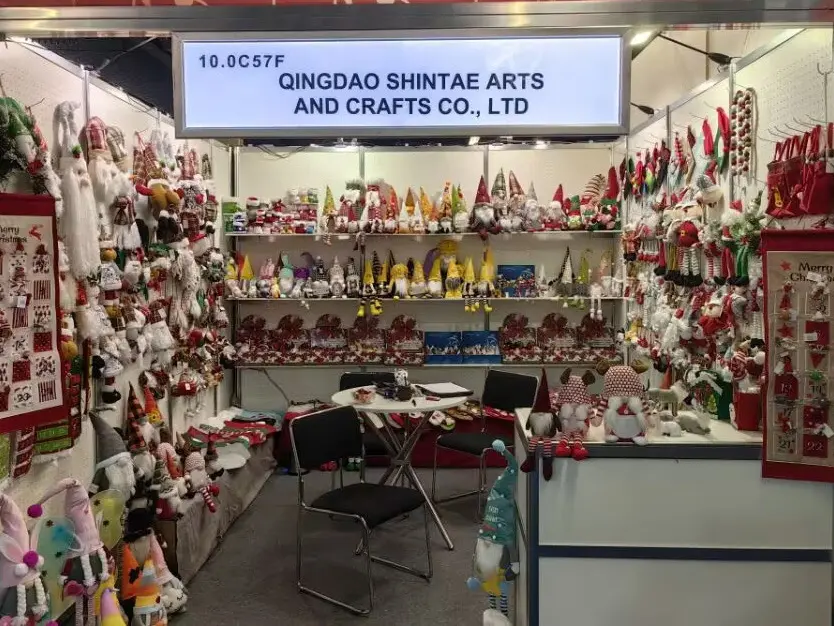
The artificial flower industry is undergoing a digital and ecological transition. With businesses increasingly adopting biophilic interior designs, manufacturing processes must evolve to match these changing standards. Qingdao Shintae is at the forefront of this shift, integrating sustainability and digital design tools into our production lines.
AI-Assisted Structural Design: Our design teams utilize AI modeling to simulate how light interacts with synthetic petals and analyze structural stress under high winds. This technology helps us optimize stem thickness and structural reinforcement before building molds, ensuring large installations remain stable and beautiful in outdoor settings.
Biodegradable Polymers & Recycled Materials: As ESG requirements become standard in commercial developments, we are expanding our research into biodegradable TPU and plant-based polyols. These eco-friendly materials allow developers to create sustainable interior displays that align with modern green building certifications.
Technical guidance, logistics information, and custom manufacturing options for Osaka-based buyers
Shipping from the Port of Qingdao to the Port of Osaka is fast and direct. Typical ocean transit takes 3 to 5 days. After accounting for customs clearance and port handling in Osaka, delivery to warehouses or commercial sites across Kansai is usually completed within 7 to 10 working days from departure.
We offer specialized production runs where flame retardants are blended directly into the raw EVA or PE polymer matrices. These products can be certified to meet Japanese flammability standards, making them compliant with Osaka municipal safety regulations for commercial venues, hotels, and retail complexes.
Our standard MOQs depend on the size of the product and the complexity of the mold design. Generally, custom designs require 500 to 1,000 pieces per style. For high-volume projects in Osaka, we offer split-shipment options and catalog sampling to help verify design accuracy before starting full production.
Yes. We can manufacture artificial flowers using post-consumer recycled plastics or biodegradable polyurethanes. These options are popular with developers in Osaka targeting green building certifications (like LEED or CASBEE) for new construction and commercial renovations.
We use computer-controlled dye injection systems and color spectrometers to match formulas precisely across production batches. This ensures that replacements or additions for large-scale displays in Osaka match the color palette of the original installation perfectly.
 Shintae